Introduction
Twenty-four years after the iconic original, Ridley Scott returns to the arena with Gladiator II, a sequel that arrives burdened by immense expectations. Audiences have long wondered if a follow-up could ever capture the magic of Maximus's saga. Now, with Paul Mescal stepping into the sandals of a grown-up Lucius, the stage is set for a new chapter in the Roman Empire's brutal games. The question isn't just whether it's good, but whether it can stand on its own two feet, or if it's destined to forever live in the shadow of its predecessor.
The Lead Dynamic & The Action
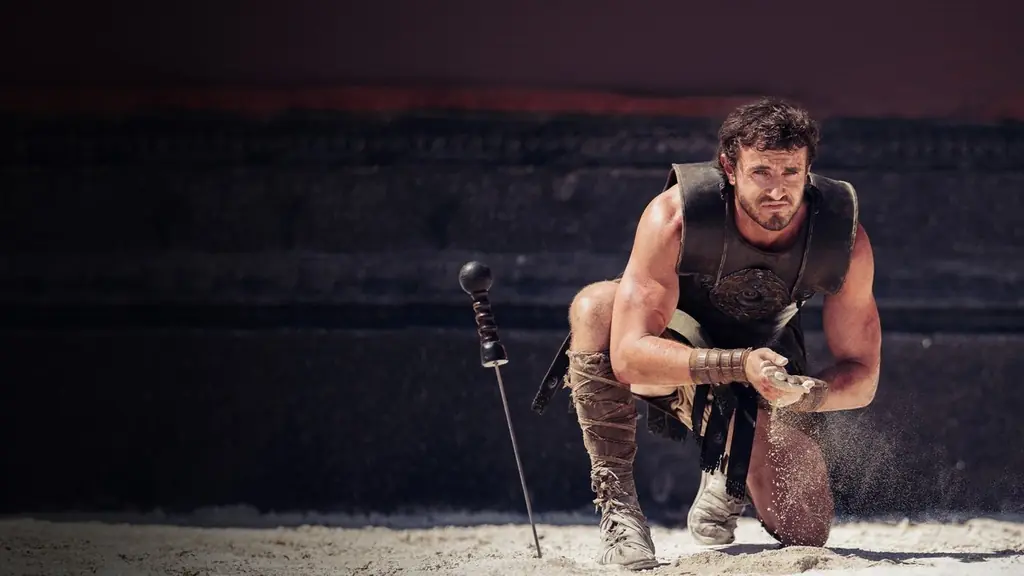
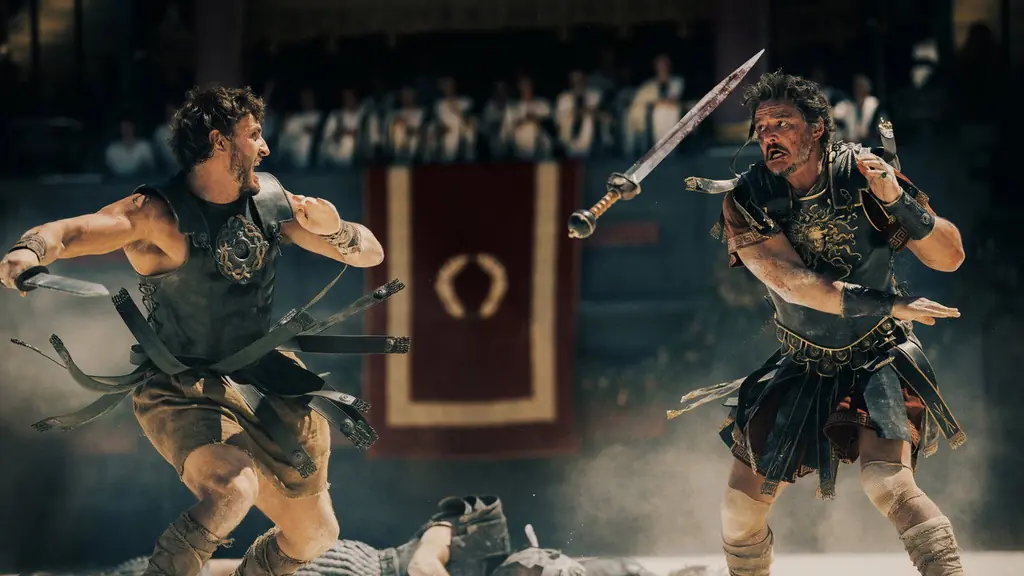
Paul Mescal takes on the mantle of Lucius, a man driven by a familiar thirst for vengeance after his wife is killed. His journey into slavery and then the gladiatorial arena echoes the first film, but with a fresh dynamic thanks to the formidable presence of Denzel Washington. Washington's character emerges as the most compelling figure in the entire movie, adding a layer of intrigue and gravitas that elevates every scene he's in. Pedro Pascal also features as a target of Lucius's wrath, rounding out a strong central cast.
The gladiatorial scenes themselves are undeniably fun, and Ridley Scott wastes no time getting the audience into the heart of Rome's brutal entertainment. The battles go "bigger" this time around, showcasing the advancements in cinematic technology. A standout moment involves the Coliseum being filled with water for spectacular naval battles, a visual feast that truly impresses. However, bigger doesn't always mean better. The inclusion of CGI sharks, while visually striking, feels superfluous and ultimately less intense than the raw, visceral chariot and foot battles that defined the original. It's a moment where the film overplays its hand, sacrificing grounded intensity for spectacle.
Cameos, Nostalgia & Narrative Stakes
Gladiator II constantly grapples with the legacy of the first film, often borrowing heavily from its narrative beats and thematic elements. This makes it challenging for the sequel to forge its own identity, frequently drawing comparisons that it struggles to live up to. The plot, at times, feels convoluted, throwing a multitude of events and characters at the audience without sufficient development. The "psycho twins" who become dual leaders, for instance, lack the necessary backstory or motivation to make their presence truly impactful, leaving viewers wondering about their rise to power.
The revenge arc, while central, doesn't always feel earned or fulfilling. Character motivations can flip on a dime, giving the impression that the narrative is rushed. Indeed, the film often feels like it could have benefited from an additional half-hour, or perhaps even been split into two movies, given how many side arcs suddenly become main arcs and side characters are thrust into prominence. This rapid pacing and narrative sprawl prevent a deeper connection to the unfolding drama. Even the musical score, composed by Harry Gregson-Williams, struggles to leave a lasting impression, with the most memorable moments being the familiar notes borrowed from the original 'Gladiator' soundtrack.
Ultimately, the film lives "in its predecessor's shadow," weighed down by on-the-nose references and throwbacks that feel forced rather than organic. It answers the unspoken question of whether 'Gladiator' needed a sequel with a resounding "no," as the film often has to contrive events to justify its existence.
Tone, Direction & Creative Freedom
Ridley Scott maintains a consistent momentum throughout Gladiator II, ensuring that for the most part, the audience remains engaged and entertained. The film rarely feels boring, a testament to Scott's ability to craft compelling action sequences and maintain a brisk pace. Despite the narrative's occasional stumbles, the sheer scale and ambition of the production are evident. However, the feeling of a rushed plot and underdeveloped character arcs suggests that perhaps the creative freedom to fully flesh out this new story was constrained, leading to a film that feels packed but not always polished.
The Final Verdict
Gladiator II is an entertaining sword-and-sandals epic that delivers on spectacle and action. While it struggles to escape the towering legacy of its predecessor, it offers enough thrills and a standout performance from Denzel Washington to make for an enjoyable viewing experience. It's a film that earns a "thumbs up" for its sheer entertainment value, even if it doesn't quite reach the iconic heights of the original. For those looking for a big, bombastic return to the Roman arena, it provides a fun, if flawed, ride.
What Worked
- Entertaining and large-scale action sequences
- Denzel Washington delivers a compelling and interesting performance
- Strong momentum keeps the film engaging and rarely boring
- Impressive and visually striking naval battles in the Coliseum
- Paul Mescal is a capable and committed lead in a challenging role
What Didn't Work
- Constantly overshadowed by the original film, struggling to find its own identity
- Convoluted and rushed plot with underdeveloped character arcs
- Superfluous elements like the CGI sharks detract from the intensity
- Lack of depth for some supporting characters and their motivations
- Over-reliance on nostalgia and direct references to the first movie