Introduction
October may be over, but the scares are going into overtime with Heretic, a film that takes a familiar premise—Mormon missionaries knocking on doors—and twists it into a surprisingly engaging psychological thriller. Directed by Scott Beck, this movie immediately hooks the audience, drawing them into an uncomfortable situation that feels both mundane and deeply sinister from the opening moments.
The Lead Dynamic & The Action
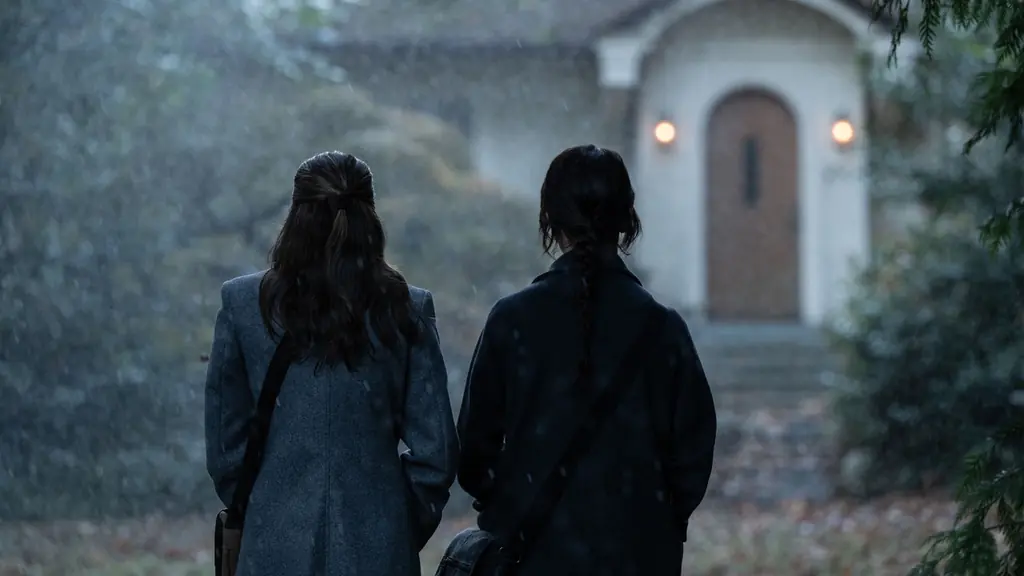
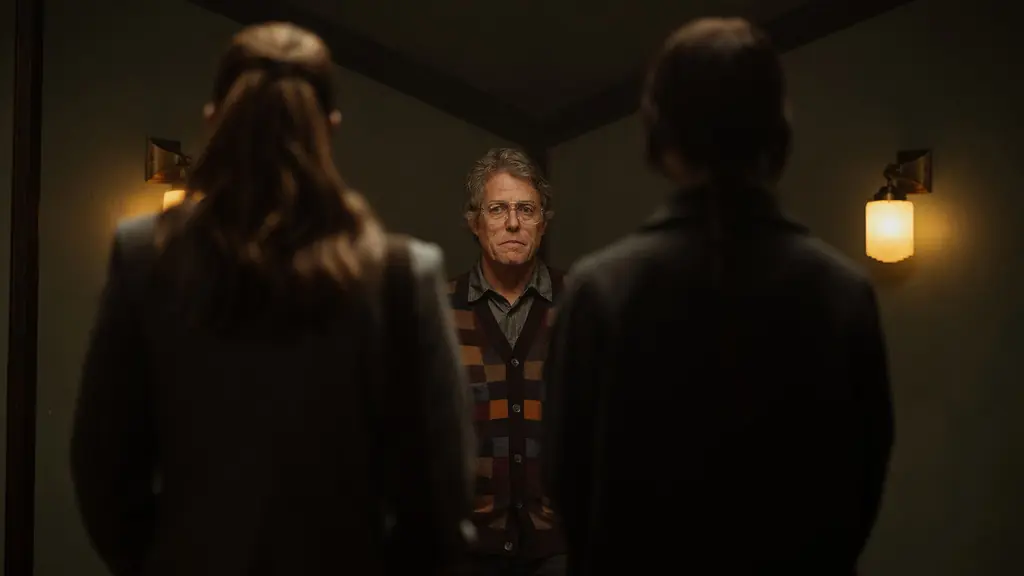
The film centers on two sister missionaries, played by Sophie Thatcher and Chloe East, who encounter Mr. Reed, portrayed by a perfectly cast Hugh Grant. What begins as a seemingly innocuous religious debate quickly devolves into a tense intellectual game. The dynamic between the two young women is a highlight; one is devout and unwavering, while the other is still navigating her faith, adding layers to their predicament. Hugh Grant masterfully channels a charming, likable persona that slowly curdles into something deeply unsettling, drawing the missionaries—and the audience—into his web. The "action" here isn't physical brawls but a relentless, uncomfortable sparring of wits, keeping viewers on edge as the danger alarms continuously blare.
Cameos, Nostalgia & Narrative Stakes
Heretic unfolds primarily within the confines of Mr. Reed's house, moving through a sequence of rooms where the religious debate intensifies. While the film maintains a strong sense of discomfort, it occasionally feels like two distinct movies spliced together: a tense "trapped in a house" thriller and a philosophical lecture on religion. Mr. Reed's parables and metaphors, while initially intriguing, can start to feel like a "best of" collection from online arguments, offering little new insight. The narrative attempts an unraveling of what's truly going on, but some of the reveals ultimately don't quite cohere, leaving certain plot points feeling less impactful than intended.
Tone, Direction & Creative Freedom
Scott Beck navigates a tricky tonal balance, maintaining an overwhelming sensation of discomfort and tension throughout. The film excels at making the audience feel the missionaries' predicament—trapped and unable to leave, regardless of the subject matter being discussed. Hugh Grant's performance is key to this, as he embodies a character who is unsettling without being overtly sleazy, creating a compelling conflict. The direction ensures that even when the dialogue veers into lecture territory, the underlying threat keeps the audience invested, proving that creative freedom can lead to uniquely unsettling cinematic experiences.
The Final Verdict
Heretic is a surprisingly enjoyable watch that thrives on its sustained tension and Hugh Grant's captivating performance. While it occasionally struggles with its dual identity as a psychological thriller and a philosophical discourse, and some plot points don't fully land, the film delivers a unique and uncomfortable experience. It's a testament to how a strong premise and compelling performances can elevate a story, even when it risks feeling like a two-hour lecture. For those seeking a thought-provoking, tension-filled ride, Heretic offers a distinct flavor of horror that lingers long after the credits roll.
What Worked
- Hugh Grant's captivating and unsettling performance
- Strong, believable dynamic between the two lead actresses
- Sustained sense of discomfort and psychological tension
- Engaging premise that hooks the viewer early
- Unique blend of thriller and intellectual debate
What Didn't Work
- Narrative reveals that don't fully cohere
- Can feel like a prolonged lecture at times
- Some dialogue feels like recycled online arguments
- Pacing issues due to the heavy dialogue focus