Introduction
Anticipation for Hokum built on whispers of an unsettling, edge-of-your-seat horror experience. Yet, from the opening frames, it becomes clear that Damian McCarthy's latest offering is not the jump-scare laden fright-fest many might expect. Instead, it's a far more nuanced, character-driven slow burn that uses the trappings of horror to explore deeper psychological territory.
The Lead Dynamic & The Action
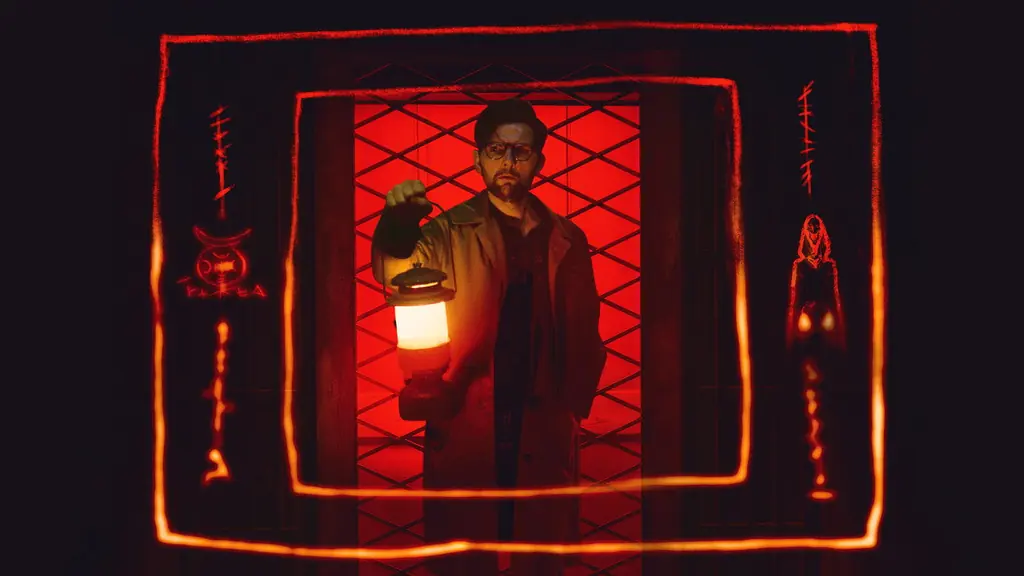
The film centers on Adam Scott's character, who finds himself inexplicably trapped in the honeymoon suite of a desolate, out-of-season hotel. Initially, his demeanor might lead audiences to wish for his torment, but the narrative skillfully flips this perception. The writing and execution are so compelling that viewers are drawn into his plight, witnessing a transformation that is both surprising and deeply engaging. The film excels not through overt action, but through its masterful use of unsettling imagery. Rather than cheap scares, it relies on disturbing facial expressions, peculiar figures, and the unnerving "Marty Feldman eyes" appearing on a television screen, creating a pervasive sense of dread that lingers long after the moment has passed. It's a testament to the film's craft that it achieves its unsettling effect without resorting to conventional horror tropes.
Cameos, Nostalgia & Narrative Stakes
While the premise hints at supernatural horror, Hokum quickly reveals itself to be something else entirely. The experience of being trapped in a single room, meticulously searching for clues and solutions to escape, evokes a strong sense of a "Resident Evil game with no zombies." The stakes are less about external monsters and more about the protagonist confronting his own personal demons and grief. This focus on internal struggle over external threats defines the film's slow-burn pacing. Supporting characters, such as those played by Peter Coonan and David Wilmot, are intentionally kept light, serving primarily to highlight the protagonist's isolation rather than developing their own arcs. This deliberate choice reinforces the film's singular focus on its lead's psychological journey.
Tone, Direction & Creative Freedom
Damian McCarthy's direction navigates a delicate balance, crafting a film that defies easy categorization. Marketed as a horror, it shares more DNA with psychological thrillers and character studies, a misdirection that might disappoint those expecting a different kind of film, much like the initial reception of Crimson Peak or Mother!. The promise of a witch, while present, takes a backseat to the protagonist's internal processing, a creative choice that some might find frustrating, wishing for more overt supernatural elements. However, this restraint allows the film to delve deeper into its themes of isolation and self-reckoning, making it a compelling watch for those who appreciate a more cerebral approach to suspense.
The Final Verdict
Hokum is a film that demands patience and rewards introspection. It's a "hipster-ass pseudo horror" that masterfully executes a character flip, transforming an initially unlikable lead into a figure of empathy. While it may not satisfy the craving for traditional horror, its unsettling atmosphere, nuanced character work, and powerful ending make it a memorable experience. This is a film that will spark discussion and stay with you, long after the credits roll.
What Worked
- Nuanced character development for the lead.
- Effective and pervasive unsettling imagery.
- Skillfully subverts typical horror expectations.
- Engaging slow-burn narrative that rewards patience.
- Features a strong, memorable and thought-provoking ending.
What Didn't Work
- Marketing as pure horror might mislead some viewers.
- The slow pace may not appeal to all audiences.
- The "witch" element feels underutilized.
- Supporting characters are intentionally underdeveloped.