Introduction
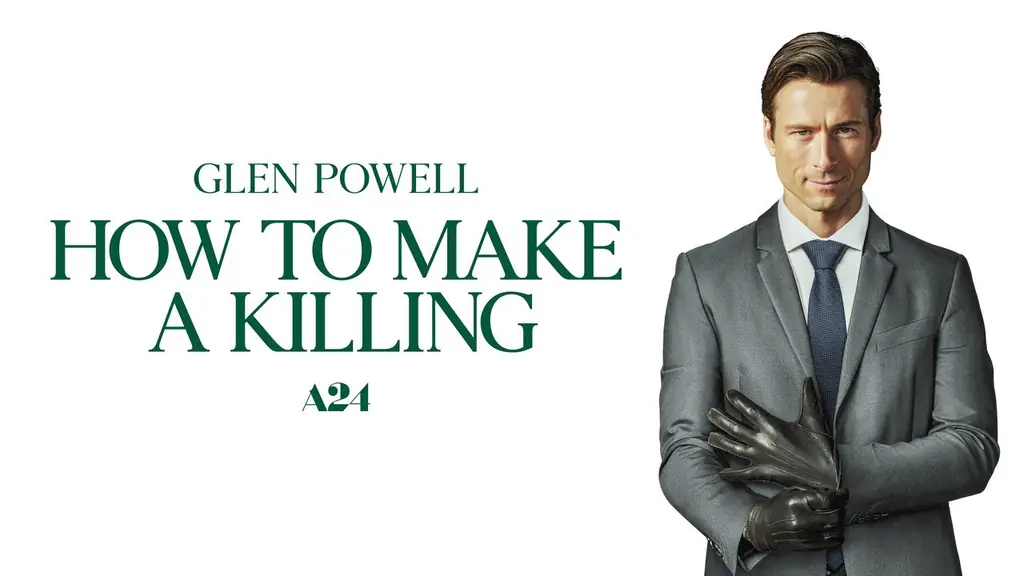
The buzz around How to Make a Killing has been palpable, promising a darkly comedic romp through the cutthroat world of extreme wealth. Audiences were primed for a film that dares to ask: how far would you go for a multi-billion dollar inheritance? This R-rated thriller, penned and directed by John Patton Ford, delivers on that promise with a premise as audacious as it is hilarious. When an off-hand remark sparks an idea, a man begins systematically eliminating his extended family to secure a staggering $20 billion fortune. It's a concept that screams dark comedy, and the film leans into it with gleeful abandon, drawing inspiration from the 1907 book "The Autobiography of a Criminal" while crafting a distinctly modern, twisted narrative.
The Lead Dynamic & The Action
At the heart of this murderous journey is Glen Powell, who commands the screen with undeniable charisma and presence. He portrays a character who, initially, is no natural-born killer, but through trial and error, he increasingly hones his deadly craft. Viewers are pulled along for this wild ride, finding themselves complicit in his escalating schemes. Unlike narratives that offer a moral justification for a killer's actions, How to Make a Killing revels in the moral ambiguity, daring the audience to root for a protagonist whose victims are, admittedly, often "complete and total chowderheads." This is where dark comedies shine, pushing boundaries and making us feel delightfully conflicted.
The film also introduces intriguing dynamics with its female leads. Margaret Qualley brings a compelling "femme fatale" energy, initially leaving the audience wondering about her true purpose, only for her role to significantly affect the plot later on. However, it's Jessica Henwick as the love interest who truly anchors the film's emotional core. Her character represents a different kind of treasure, forcing the protagonist—and the audience—to wrestle with a compelling dilemma: pursue a genuine connection or continue down the bloody path to riches. This internal conflict adds a surprising layer of depth to the otherwise chaotic proceedings.

Cameos, Nostalgia & Narrative Stakes
How to Make a Killing keeps its narrative engaging from the jump, hooking viewers by opening with the protagonist already in jail, recounting the events that led him there to a priest. This clever framing device immediately establishes stakes and keeps the audience constantly searching for the moment things went wrong. The film also sprinkles in some delightful, surprising cameos among the extended family members, including a memorable appearance by Zach Woods (Gabe from The Office), which adds an extra layer of unexpected humor and recognition. While the film is inspired by older works, it carves out its own identity, balancing fan-service with a compelling, modern story of greed and consequence.
Tone, Direction & Creative Freedom
John Patton Ford masterfully navigates the tricky tonal tightrope of dark comedy. The film is consistently funny, twisted, and witty, never shying away from the inherent absurdity of its premise. It's a movie that understands its genre, allowing for moments of genuine laughter even as the body count rises. The direction ensures a lively pace, though one notable flaw is the film's inconsistent illustration of the passage of time. What feels like a few weeks on screen is, by the narrative's own admission, a much longer period, which can occasionally pull the viewer out of the immersion. Despite this minor stumble, the overall execution suggests a creative freedom that allows the filmmakers to fully realize their darkly comedic vision.
The Final Verdict
For those who appreciate humor as dark as their coffee and aren't afraid to root for an anti-hero, How to Make a Killing is a fascinating, entertaining ride. It's a film that's dark, funny, and surprisingly witty, offering more depth than initially meets the eye, especially as its ending settles in. If you found yourself captivated by the moral quandaries of shows like Dexter, but wished for a more satisfying conclusion, this film might just be your next obsession. It's a good time, no alcohol required.
What Worked
- [[person:83271|Glen Powell]]'s charismatic and engaging performance.
- Sharp, witty, and genuinely dark humor.
- Clever narrative hook with a compelling framing device.
- Surprising depth and moral dilemmas.
- Memorable supporting cast and cameos.
What Didn't Work
- Inconsistent and confusing illustration of time passage.
- [[person:1392137|Margaret Qualley]]'s character feels underutilized in early parts.