Introduction
Nearly a decade after the groundbreaking original, Inside Out 2 arrives with the weight of high expectations, ready to plunge audiences back into the vibrant, chaotic world inside a young mind. This time, the focus shifts to Riley, now a 13-year-old on the cusp of adolescence, a period famously marked by seismic emotional shifts. The film wastes no time in establishing this new reality, as Riley faces the daunting prospect of high school tryouts and the desire to fit in with a new, cooler crowd, all while juggling her existing friendships. This familiar setup, however, is given a fresh, inventive spin through the lens of her internal emotional landscape, promising a journey that is both deeply personal and universally relatable.
The Lead Dynamic & The Action
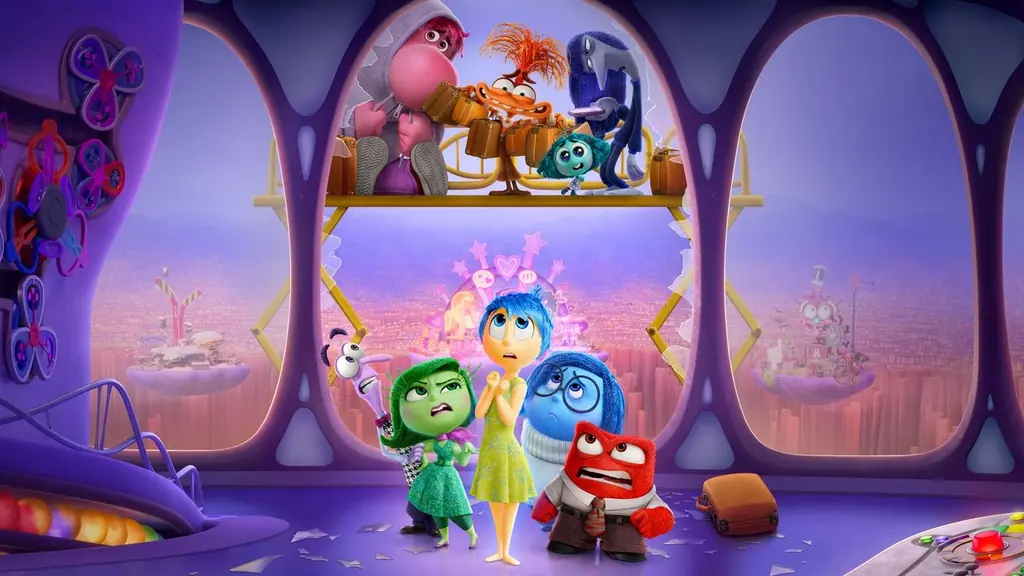
The core of Inside Out 2’s brilliance lies in its ability to take a well-worn trope—the teenager navigating a new social environment—and make it feel entirely new. The narrative unfolds within Riley's mind, where the established emotions of Joy (Amy Poehler), Sadness (Phyllis Smith), Anger (Lewis Black), and Disgust (Liza Lapira), and Fear (Tony Hale) are suddenly confronted with the tumultuous arrival of puberty. This pivotal moment is depicted with hilarious precision, as the control console of Riley's mind goes haywire, her emotions operating at "11" and struggling to comprehend the sudden influx of new, complex feelings. The film has immense fun exploring the mechanics of how people operate, particularly during this awkward stage of life, capturing the magic and inventive spirit that made the first film so beloved. It deftly avoids the pitfalls of "sequelitis," instead building upon its predecessor's foundation with fresh ideas and engaging internal conflicts. The adventure element, with the original emotions fighting to regain control from the new arrivals, provides a compelling and often comical journey through Riley's evolving mental world.
Cameos, Nostalgia & Narrative Stakes
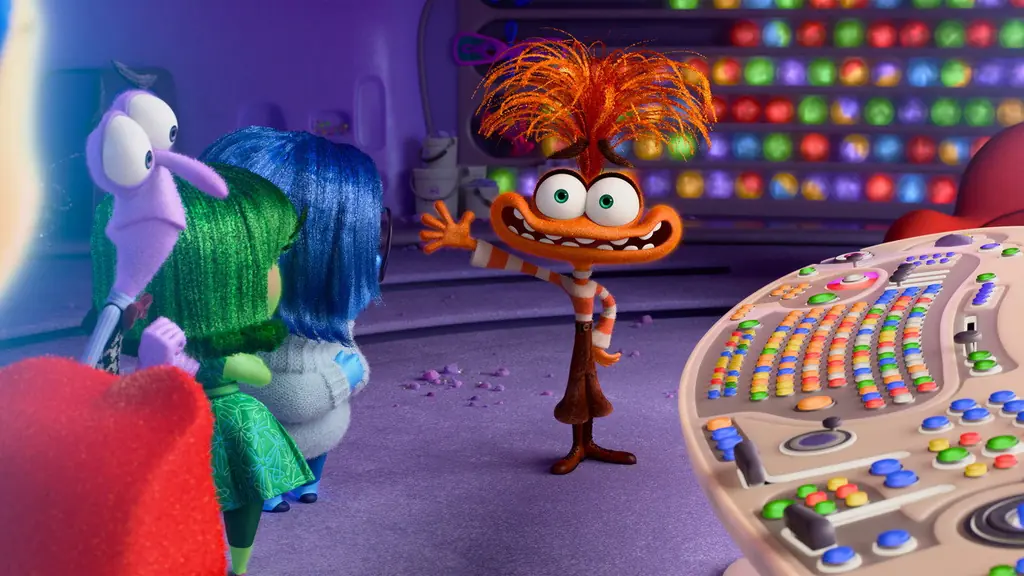
One notable change in Inside Out 2 is the recasting of Fear and Disgust, with Tony Hale and Liza Lapira stepping into roles previously held by Bill Hader and Mindy Kaling. While a change, the transition is seamless enough that it never truly pulls the audience out of the experience. The film introduces a host of new emotions, with Anxiety (Maya Hawke) taking center stage. Initially, there might be a moment of skepticism, wondering if Anxiety is merely a derivative of Fear. However, the film quickly dispels this notion, utilizing Anxiety in a surprisingly nuanced and impactful way that genuinely impresses. The lessons embedded within Anxiety's arc are both unexpected and deeply resonant. Not all new emotions land with the same punch, however. Envy (Ayo Edebiri), for instance, feels somewhat underdeveloped, almost as if included to round out the emotional crew rather than serving a distinct narrative purpose. There are also moments where the established emotions appear to "break character"—Anger acting surprisingly kind, or Joy succumbing to tears. While these instances might initially raise an eyebrow for those familiar with the original's strict emotional definitions, the film ultimately succeeds because the emotional moments they aim for still land with significant impact, proving that genuine feeling can trump minor inconsistencies.
Tone, Direction & Creative Freedom
Under the direction of Kelsey Mann, Inside Out 2 solidifies its position as a quintessential family film, one that truly caters to multiple generations. For younger viewers, it offers a thrilling adventure as the "old crew" battles to reclaim their command center. For teenagers, the film becomes a profoundly relatable experience, mirroring their own struggles with identity, new friendships, and the overwhelming nature of puberty. But it's the adults who might find some of the deepest resonance, appreciating the subtle jokes and the profound themes that unfold. The film masterfully illustrates the point that growing up, moving on, and dealing with turmoil doesn't mean losing the essence of who you are. This universal message, presented with wit and heart, ensures that Inside Out 2 is not just an entertaining ride but also a meaningful exploration of the human condition. It’s a story that everyone who has ever lived can connect with, making it a powerful and enduring cinematic experience.
The Final Verdict
Inside Out 2 is a triumph, a rare sequel that not only lives up to its predecessor but also expands its emotional and narrative scope. It's a fun adventure wrapped in a deeply personal and human story, exploring the complexities of adolescence with both humor and profound insight. The film is a clear recommendation, a journey worth taking, and one that will likely resonate differently with audiences depending on their age and life experience. It’s a testament to the power of animation to tackle complex themes with grace and accessibility, making it a must-watch for families and anyone who appreciates thoughtful, engaging storytelling. This is a film worth watching, and indeed, worth owning.
What Worked
- Fresh and inventive take on teenage angst and puberty.
- Anxiety's character arc is surprisingly nuanced and impactful.
- Successfully captures the magic and spirit of the original film.
- Offers engaging adventure for kids and deep relatability for teens and adults.
- Explores universal themes of growth, change, and self-identity with humor and heart.
What Didn't Work
- Envy's character feels underdeveloped and somewhat superfluous.
- Minor inconsistencies in how some established emotions behave.
- Absence of original voice actors for Fear and Disgust, though not distracting.