Introduction
The cinematic landscape has seen a curious trend emerge: the YouTuber-turned-filmmaker. While some might approach this phenomenon with a healthy dose of skepticism, the arrival of Iron Lung, the feature film debut from YouTube sensation Mark Fischbach (aka Markiplier), demanded attention. Not only did Fischbach write and direct, but he also stars and entirely self-funded this adaptation of his own popular video game. This independent spirit promised a vision uncompromised, a direct translation of a creator's passion project onto the big screen.
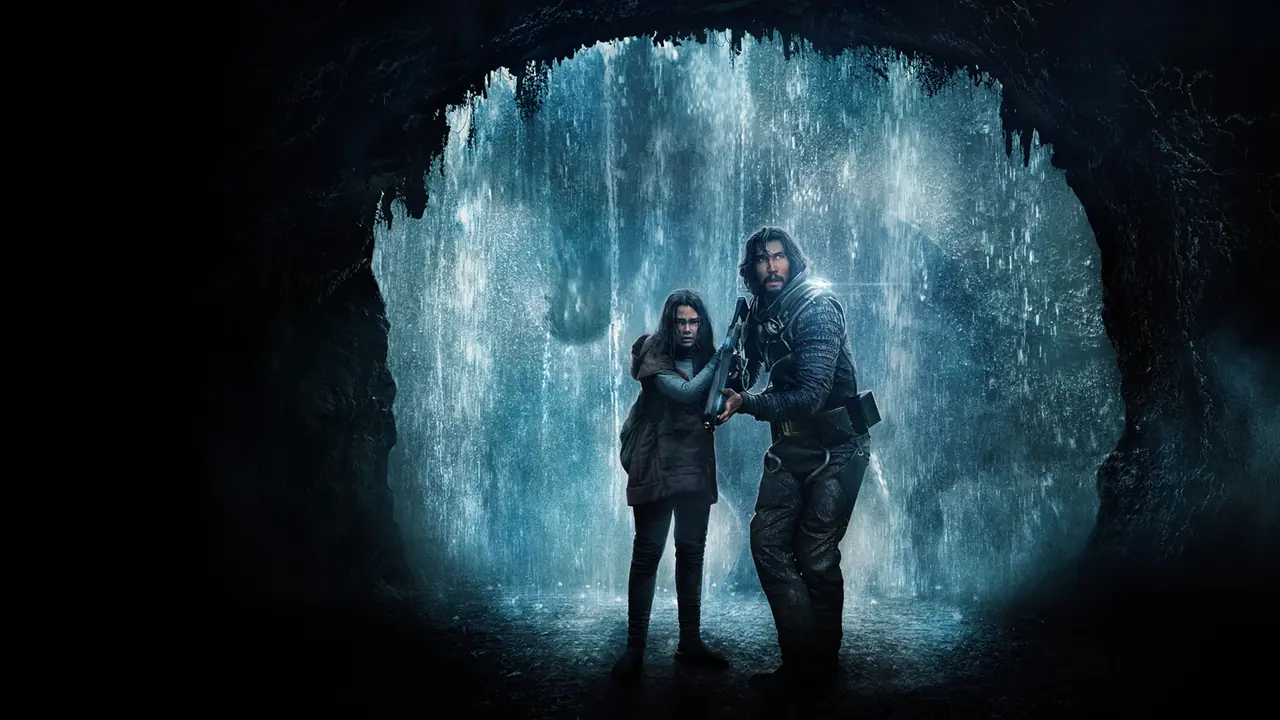
The premise is immediately unsettling: a post-apocalyptic future where a cataclysmic "Quiet Rapture" has erased all stars and planets. Humanity's last hope lies in a convict, played by Fischbach, forced to pilot a rickety submarine through an ocean of blood on a desolate moon. The mission? Vague, mysterious, and the source of much of the film's initial intrigue and, at times, frustration.
The Lead Dynamic & The Action
Confined to the claustrophobic interior of a submarine, the film largely rests on Mark Fischbach's shoulders. Initially, his performance felt a touch "overcooked," with a gravelly, overly serious demeanor that threatened to become monotonous. However, as the narrative progresses and the stakes escalate, Fischbach finds his stride, particularly when portraying sheer terror. His ability to convey genuine fear becomes a surprising highlight, proving that the YouTube star is more than capable of delivering a solid acting performance.
The film's true strength, however, lies in its masterful atmosphere and sound design. The cramped, analog-futuristic tech of the submarine, reminiscent of a DIY contraption from a bygone era, effectively immerses the viewer. With zero visibility outside due to the blood-filled abyss, the reliance on an X-ray camera and the unsettling auditory landscape creates a palpable sense of dread. Every creak, groan, and distant thud contributes to a suffocating tension that is genuinely effective, making the submarine itself feel like a character.

Cameos, Nostalgia & Narrative Stakes
Iron Lung is, at its core, a video game adaptation, and it wears that influence proudly. The plot unfolds like a puzzle, with Fischbach's character receiving minimal information, forcing him (and the audience) to piece together the mystery. This approach, while accurate to the game's design, proves to be a double-edged sword for a cinematic experience. For a player, the lack of information is a hook, driving engagement to solve the puzzle. For an audience member, however, it can lead to a sense of detachment and, frankly, boredom in the first half.
The film struggles to translate the interactive engagement of a game into passive viewing. The narrative vagueness, while intentional, leaves the audience asking "why do I care?" rather than "what happens next?" This is perhaps why, for some, a quick dive into "Iron Lung lore" videos post-viewing provided more clarity and engagement than the film's initial two hours. While Troy Baker and Elsie Lovelock lend their vocal talents, their contributions are primarily voice work, keeping the focus squarely on Fischbach and the submarine's oppressive environment.
Tone, Direction & Creative Freedom
What truly shines through in Iron Lung is the undeniable passion behind it. This is not a film made by committee or for commercial obligation; it is a labor of love from a creator deeply invested in his source material. The self-funding aspect means that what appears on screen is precisely what Mark Fischbach envisioned, free from external interference. This creative freedom allows for a distinct tone – a blend of claustrophobic horror and unsettling mystery that feels unique.
The film's commitment to video game accuracy extends to its more abstract elements, such as the unintelligible voices that begin to plague the protagonist. This detail, while true to the game, further emphasizes that Iron Lung might function better as a companion piece for those already familiar with the game's lore, rather than a standalone entry point for newcomers. It's a film that asks its audience to meet it halfway, to embrace the ambiguity and the slow burn.

The Final Verdict
Iron Lung is undeniably a mixed bag. Its first half can feel like a slow, meandering descent into the unknown, testing the patience of those unfamiliar with its origins. However, the film truly picks up in its latter half, delivering genuinely creepy atmosphere, effective sound design, and a surprisingly solid performance from Mark Fischbach. It's a testament to the power of independent filmmaking and a creator's unwavering vision. While it may not convert everyone, those willing to immerse themselves in its unique, puzzle-like horror will find something intriguing and unsettling. It's a film best experienced on streaming, where its niche appeal can find its dedicated audience.
What Worked
- A genuine passion project from its creator
- Masterful, claustrophobic atmosphere and sound design
- Surprisingly solid performance from Mark Fischbach in the latter half
- Unique analog-futuristic aesthetic for the submarine
- Accurate and faithful adaptation of the video game
What Didn't Work
- First half can be slow and narratively vague for new audiences
- Feels more like a companion piece for game fans than a standalone film
- Lack of clear objectives can lead to audience detachment
- Relies heavily on prior knowledge of the game's lore