Introduction
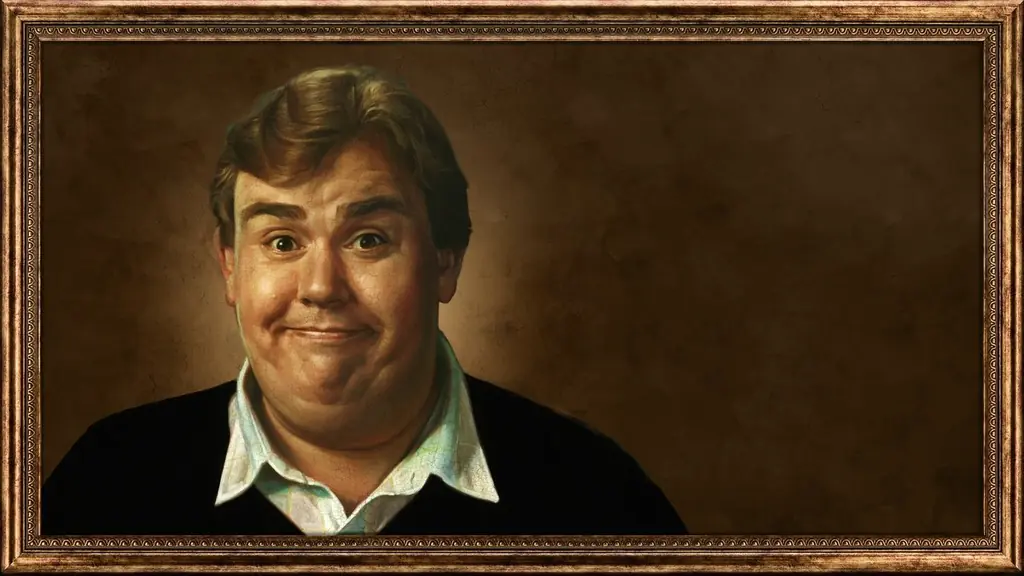
The arrival of John Candy: I Like Me was met with a quiet buzz, a documentary many didn't realize they needed until it premiered. For fans who grew up with the comedic genius of John Candy, the prospect of a deep dive into his life and career was an intriguing, if unexpected, delight. This film, directed by Colin Hanks, promises to pull back the curtain on the man behind the iconic roles, from Uncle Buck to Dell Griffith, and even Barf from Space Balls.
The Lead Dynamic & The Action
What truly shines in John Candy: I Like Me is the intimate portrayal of Candy's character, revealed through the eyes of those who knew him best. The documentary masterfully illustrates his profound lack of ego, a rare trait in Hollywood. Stories abound of Candy actively seeking to elevate his co-stars, ensuring a genuine back-and-forth rather than overshadowing anyone. Tom Hanks recounts working with Candy on Splash, highlighting this very quality. It's a testament to a man who genuinely wanted others to shine, a "rare treasure" whose humility was as legendary as his comedic timing.
One particularly poignant anecdote comes from Macaulay Culkin, who shares how Candy, noticing Culkin's difficult family life, would consistently check in on him, offering a much-needed paternal presence. These are the moments that reveal the true heart of John Candy: a man who was as kind and caring off-screen as he was hilarious on it.

Cameos, Nostalgia & Narrative Stakes
The film is packed with an impressive roster of interviewees, starting with Bill Murray and including luminaries like Steve Martin, Martin Short, Eugene Levy, and Catherine O'Hara. These voices collectively paint a comprehensive picture, moving beyond the myth to reveal the vulnerability of the man. The documentary doesn't shy away from exploring Candy's anxieties and insecurities, or the fact that he sometimes struggled with scenes and jokes he was asked to perform. This provides a fuller, more human understanding of the actor, reminding audiences that even beloved stars are, at their core, just people.
The narrative also delves into Candy's personal life, particularly the profound impact of his father's early death at 35 from a heart attack. This formative trauma undoubtedly shaped him, and the documentary explores how such a loss would inevitably affect a child throughout his life. It's a powerful reminder of the unseen struggles that can drive even the most outwardly jovial personalities.
Tone, Direction & Creative Freedom
Colin Hanks' direction ensures that John Candy: I Like Me is more than just a retrospective; it's an emotional journey. The tone is one of deep affection and respect, yet it never shies away from the complexities of Candy's life. The film feels like a eulogy, a heartfelt celebration of a human being "gone too soon," as one reviewer put it. It's a documentary that allows the audience to truly feel the weight of his loss while celebrating his immense legacy. The creative freedom taken here is evident in the film's ability to evoke genuine emotion, leading to moments that can bring even the most stoic viewer to the verge of tears.
The Final Verdict
John Candy: I Like Me is an "awesometacular" and essential watch for anyone who ever loved John Candy's work. It's a deeply moving, often tear-jerking, and ultimately celebratory look at a man whose warmth and talent left an indelible mark on cinema and the hearts of millions. This documentary is a powerful reminder of his enduring impact and a beautiful tribute to a truly unique individual.
What Worked
- Offers a deeply emotional and celebratory look at John Candy's life.
- Features heartfelt anecdotes from numerous co-stars and friends, including Macaulay Culkin and Tom Hanks.
- Reveals John Candy's genuine humility and lack of ego.
- Explores the personal struggles and anxieties behind the comedic facade.
- Expertly directed by Colin Hanks, creating a powerful and moving experience.
What Didn't Work
- The overwhelmingly positive tone might leave some viewers wanting a more critical or balanced perspective.
- Its emotional intensity can be overwhelming, potentially leading to "man tears" for the full runtime.
- Focuses heavily on the celebratory aspect, perhaps glossing over deeper complexities.