A Franchise's Identity Crisis
The hype surrounding a new Karate Kid film is always palpable, especially after the resurgence of interest from Cobra Kai. Yet, Karate Kid: Legends arrives feeling less like a triumphant return and more like a film that forgot its own purpose before the credits rolled. Pitched as an in-continuity retelling, this latest installment follows a young protagonist who moves from Beijing to New York, carrying the legacy of Mr. Han's teachings. The setup promises a fresh perspective, but the execution quickly veers into familiar, and unfortunately, less compelling territory.
The Lead Dynamic & The Action
Initially, Karate Kid: Legends introduces a surprisingly engaging subplot. The new kid in town connects with a girl whose father, played by Joshua Jackson, is a pizza shop owner deep in debt. This dad, a former boxer, receives unconventional kung fu training from the young protagonist to prepare for a high-stakes fight. This storyline, while feeling like a "shoehorn side story," offers a genuinely unique and interesting twist on the classic mentor-mentee dynamic. The boxing match itself stands out as the film's most memorable and impactful action sequence, delivering a raw energy that the rest of the movie struggles to replicate. The budding romance between the new kid and his love interest also shows promise, hinting at a grounded, relatable narrative.
Cameos, Nostalgia & Narrative Stakes
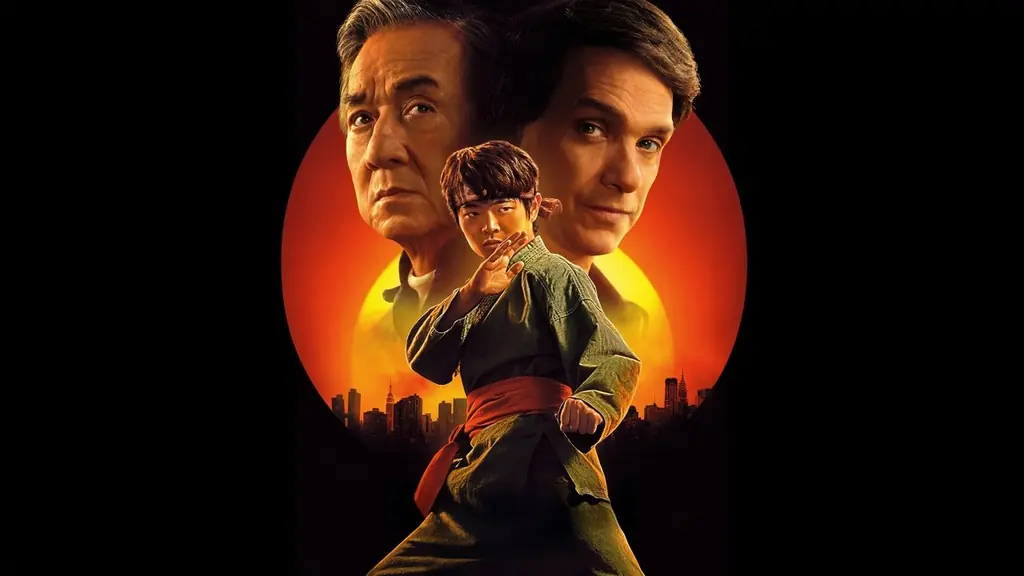
However, the film abruptly abandons this promising direction. The narrative shifts gears dramatically, sidelining Joshua Jackson's character and the love interest to make way for the "adults in the room": Jackie Chan and Ralph Macchio. What begins as a fresh take quickly devolves into what feels like "cheap nostalgia bait." Their appearance, intended to fuse martial arts forms for a tournament, feels forced and unearned. Ralph Macchio's role, in particular, comes across as a quick cameo, lacking the narrative weight to justify the abrupt pivot. The tournament, the supposed climax, is rushed and forgettable, reduced to a fast-tracked montage that fails to build any real tension or emotional investment. The film struggles to establish clear stakes, leaving audiences wondering why the protagonist even needs to enter the tournament in the first place.
Tone, Direction & Creative Freedom
Karate Kid: Legends suffers from a fundamental identity crisis, feeling like "two different ideas, two different scripts, went splat" without ever truly mixing. This disjointed approach leads to an overabundance of characters, many of whom, like the protagonist's mom (Ming-Na Wen), are pushed to the background with insufficient screen time. The film's direction, helmed by Jonathan Entwistle, struggles to maintain a consistent tone or narrative focus. While the runtime is commendably short at around 90 minutes, it's clear that even this brevity can't save a story trying to do too much, too quickly, and without a clear vision. The "obnoxious edits" further detract from the viewing experience, adding to the overall sense of a rushed and unpolished production.
The Final Verdict
Ultimately, Karate Kid: Legends is a film that squanders its potential. It starts with a genuinely interesting premise and a compelling side story, only to abandon them in favor of a familiar, nostalgia-driven plot that feels tired and uninspired. While it doesn't overstay its welcome, its brevity highlights the lack of depth and cohesion. This is a movie that struggles to leave any lasting impression, fading from memory almost as soon as the credits begin to roll. It's a missed opportunity that leaves viewers wishing for the film it could have been, rather than the one it became.
What Worked
- The initial unique storyline involving the pizza place owner and boxing match provides a fresh take.
- The boxing match is a standout action sequence, delivering unexpected intensity.
- The film's short runtime ensures it doesn't overstay its welcome.
- The concept of a student becoming a teacher to an older individual is an interesting theme.
What Didn't Work
- Abruptly abandons its most interesting plotline for forced nostalgia.
- Overwhelmed by too many characters, leading to underdeveloped arcs.
- The final tournament feels rushed, unmemorable, and lacks significant stakes.
- The film suffers from a disjointed narrative, feeling like two different movies spliced together.
- Obnoxious edits detract from the viewing experience.