Introduction
Late Night with the Devil arrives as a chilling, immersive experience, drawing viewers into a 1977 Halloween broadcast that quickly spirals into supernatural chaos. What begins as a seemingly forgotten gem, unearthed by word-of-mouth, quickly establishes itself as a standout, promising a unique blend of retro charm and unsettling horror. The film's premise is simple yet potent: a desperate talk show host, a live studio audience, and a night where the veil between worlds thins, all unfolding as a "found footage" style broadcast from a bygone era.
The Lead Dynamic & The Action
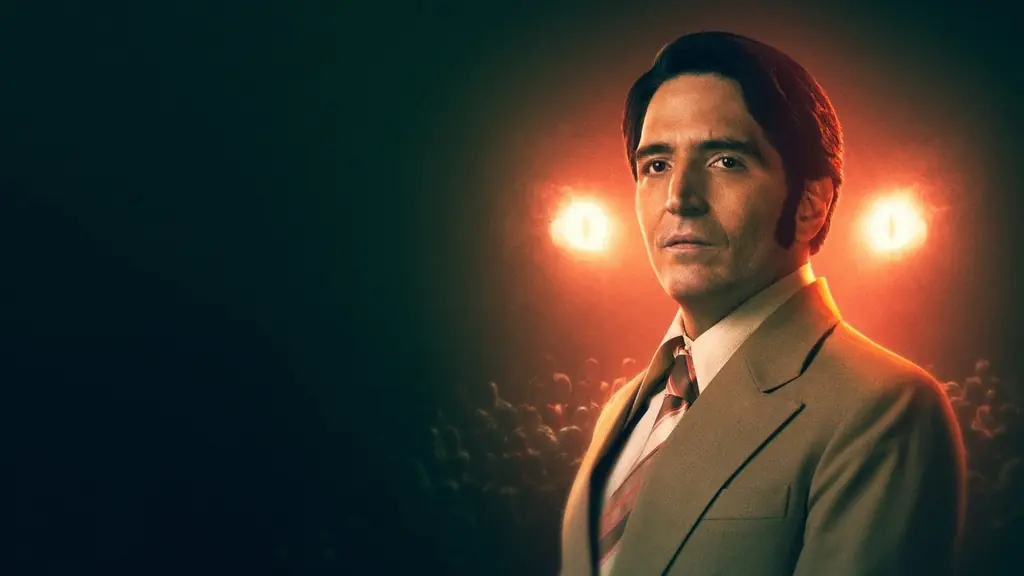
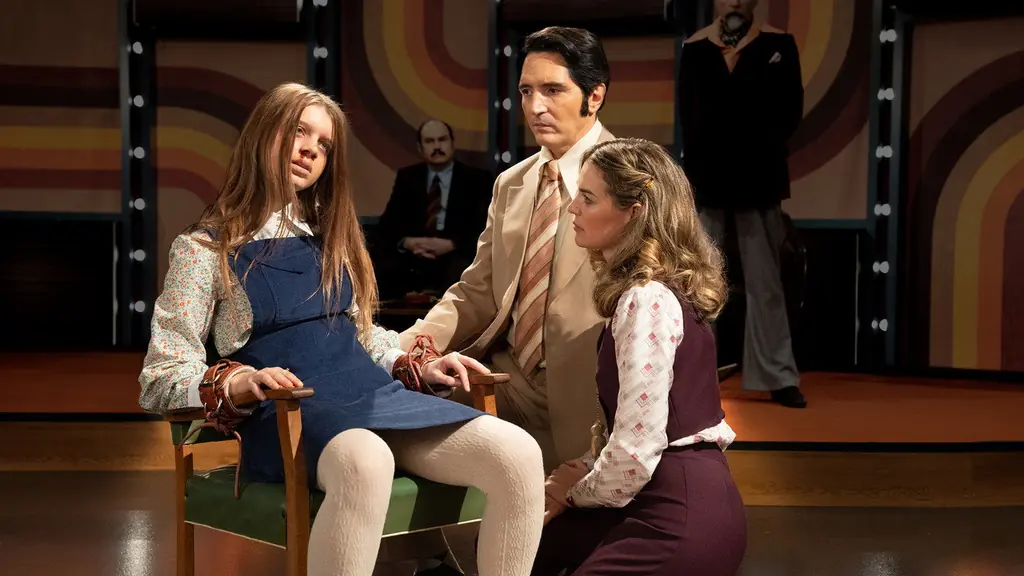
At the heart of this unsettling spectacle is David Dastmalchian as Jack Delroy, a late-night host perpetually overshadowed by Johnny Carson. Delroy's performance is a masterclass in layered desperation. On air, he embodies the charismatic, joke-cracking persona of a seasoned entertainer, yet beneath the surface, the audience senses a palpable anxiety about his show's dwindling ratings. Off-camera, during the black-and-white commercial break footage, a different man emerges—vulnerable, uncertain, and acutely aware that this Halloween special is his last desperate gamble for relevance. This dual portrayal of a man teetering on the edge of professional ruin, trying to keep his composure amidst escalating terror, is compelling. The film doesn't rush into its demonic core; instead, it builds tension with a series of opening acts, including a psychic whose segment takes an unexpected turn and a skeptical debunker, all setting the stage for the arrival of the possessed girl. This gradual escalation ensures that by the time the true horror unfolds, the audience is fully invested in the broadcast's unraveling.
Cameos, Nostalgia & Narrative Stakes
The film excels in crafting an incredibly immersive 1970s atmosphere. Presented in a 4x3 aspect ratio, every camera angle, lighting choice, and set design detail screams period accuracy, making viewers feel as though they are genuinely watching a lost broadcast from 1977. This commitment to authenticity extends to the black-and-white "archive footage" shown during commercial breaks, offering a behind-the-scenes glimpse into the night's unfolding events and enhancing the film's "real" feel, reminiscent of the early days of the found footage genre. Beyond the aesthetic, Late Night with the Devil delves into potent themes relevant even today: the price of fame, the slippery slope of sensationalism, and the moral compromises made in pursuit of an audience. The film uses the demon-possessed girl not just for scares, but as a chilling metaphor for the lengths one might go to for success, making it an entertaining cautionary tale that resonates far beyond its retro setting.
Tone, Direction & Creative Freedom
Directed by Cameron Cairnes, the film's direction is a triumph of sustained tension and atmospheric horror. It masterfully builds dread without relying on cheap jump scares, a refreshing approach that allows the unsettling narrative to breathe. The period-accurate sets and cameras contribute significantly to the immersive experience, making the few missteps stand out. A brief foray into body horror feels somewhat out of place, momentarily jarring the viewer. More notably, instances of CGI electricity appear noticeably artificial, clashing with the otherwise meticulously crafted retro aesthetic. Despite these minor visual inconsistencies, the overall execution is remarkably effective, creating a film that lingers in the mind long after the credits roll. It encourages viewers to wrestle with what they've seen, blurring the lines between reality and staged spectacle, much like the talk show itself.
The Final Verdict
Late Night with the Devil is an absolute must-watch for horror enthusiasts and anyone seeking a genuinely unique cinematic experience. Its innovative broadcast format, coupled with David Dastmalchian's compelling performance, delivers a film that is both deeply entertaining and thought-provoking. It's a standout feature that will undoubtedly be remembered at year's end, offering a fresh take on possession horror that prioritizes atmosphere and character over cheap thrills. This is a film worth not just watching, but owning, for its sheer creativity and lasting impact.
What Worked
- Immersive 1970s broadcast aesthetic and 4x3 aspect ratio
- Outstanding, layered performance by David Dastmalchian
- Masterful tension building without relying on jump scares
- Thought-provoking themes of fame and sensationalism
- Efficient pacing and engaging narrative structure
What Didn't Work
- Brief, jarring body horror scene feels out of place
- CGI electricity effects appear noticeably artificial
- Reported use of AI for title cards is a minor creative misstep