Introduction
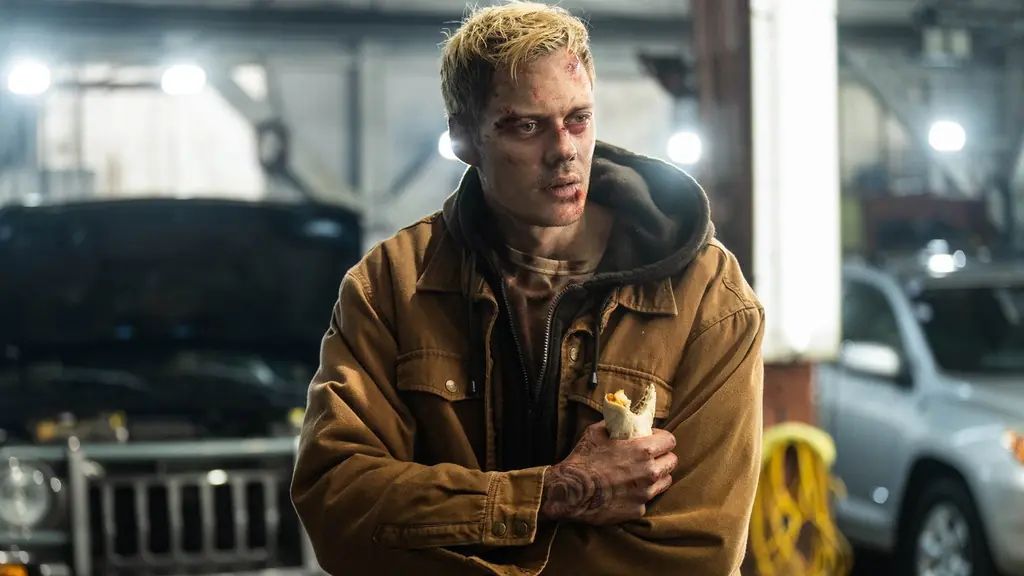
The premise alone for Locked was enough to pique interest: Bill Skarsgård, trapped in a car, tormented by the ominous yet undeniably quirky voice of Anthony Hopkins. It’s a setup that promises a tight, claustrophobic thriller, and for many, that’s an immediate "in." Directed by David Yarovesky, known for "Brightburn," this film dives headfirst into a high-stakes, single-location nightmare. Skarsgård plays a down-on-his-luck criminal who attempts to boost what he thinks is an easy score—only to find himself in the wrong car at the wrong time. The doors lock, the windows are bulletproof, and escape is impossible. Then, the chillingly familiar voice of Hopkins begins its psychological assault, leaving audiences to wonder: is this for reform, for fun, or something far more sinister?
The Lead Dynamic & The Action
The heart of Locked beats with the compelling dynamic between its two central figures, even if one is only a voice. Bill Skarsgård truly sells the escalating panic and frustration of his character. He’s a criminal, yes, but one the audience finds themselves rooting for, largely due to Skarsgård’s ability to convey a deeper, more likable humanity beneath the surface. His performance is a solid way to get back on track, showcasing a range that makes his trapped predicament genuinely engaging. The back-and-forth between Skarsgård and Hopkins’ disembodied voice is a highlight, filled with platitudes, lectures, and even blaring Pula music, all designed to break the captive.
The film’s limited setting—entirely within a car—could easily feel stagnant, but Locked manages to maintain a palpable sense of claustrophobia. The cinematography, particularly the panning shots inside the vehicle, is remarkably well-executed. There’s a seamless quality to how the camera moves, avoiding the artificiality often seen in similar setups, making the audience wonder how they even filmed it. This technical prowess enhances the feeling of being trapped alongside Skarsgård, making every twist and turn of his torment feel immediate and real.

Cameos, Nostalgia & Narrative Stakes
While the core premise is strong, Locked occasionally struggles with its narrative ambition. The film attempts to weave in themes of classism, exploring the idea that there’s more to Skarsgård’s character than just a thief. However, this aspect sometimes feels muddled, trying to play devil’s advocate without always landing its point effectively. The pacing also becomes an issue as the film progresses. What feels like a solid hour-long premise for "must-see TV" is stretched to a runtime that’s about half an hour longer than it needs to be. This extension leads to moments where the plot feels compelled to "get moving," resulting in some sequences that "jump the shark" a bit. For instance, the reviewer noted a point where police involvement or a high-speed chase would logically occur, but the film veers away, leading to a sense of the story going "a little overboard."
Despite these narrative stumbles, the psychological torment remains central. The small, clever details, like the touchscreen music player with a pause icon that Skarsgård never attempts to use, or the way Hopkins’ character ensures Skarsgård always answers the phone, add layers to the mind games. It’s clear Hopkins’ character isn’t just tormenting for the sake of it; he’s trying to break the man, and these subtle manipulations are effective.
Tone, Direction & Creative Freedom
David Yarovesky’s direction navigates a tricky tonal balance. The film is dark and intense, yet Anthony Hopkins’ voice injects a quirky, almost darkly humorous element. Only Hopkins could deliver lines about "gummy bears" in a way that makes his character seem not cheesy, but genuinely unhinged. This blend of ominous threat and eccentric menace keeps the audience on edge, never quite sure what the captor’s true intentions are. The film commits to its isolated, contained structure, making the most of its single location to build tension. While the narrative might occasionally lose its way in the latter half, the overall commitment to the psychological thriller genre, coupled with strong performances, ensures it remains an engaging watch.
The Final Verdict
Locked delivers a solid, engaging thriller experience. It’s a film that thrives on its simple yet effective premise, bolstered by a compelling performance from Bill Skarsgård and the iconic, tormenting voice of Anthony Hopkins. While it occasionally stretches its runtime and muddles some of its thematic explorations, the core psychological battle and the impressive execution of its claustrophobic setting make it a worthwhile watch. For those who appreciate a contained, character-driven suspense story, this film offers a "solid time" – perhaps best enjoyed at a matinee price.
What Worked
- Bill Skarsgård's compelling performance
- Engaging, claustrophobic premise
- Sharp, witty dialogue between captor and captive
- Impressive, seamless cinematography within the car
- Unique, dark humor from Anthony Hopkins' voice
What Didn't Work
- Pacing issues in the latter half
- Narrative sometimes "jumps the shark"
- Muddled exploration of classism
- Some plot points feel stretched beyond their natural conclusion