Introduction
Anticipation for Francis Ford Coppola's Megalopolis has been palpable, a project years in the making from a legendary director. Yet, the final product arrives with a heavy cloud of "vanity project" hanging over it, a label that, unfortunately, feels earned. This is a film coded in imagery, allegory, and double meaning, set in a New Rome that is unmistakably a stand-in for modern America.
The Lead Dynamic & The Action
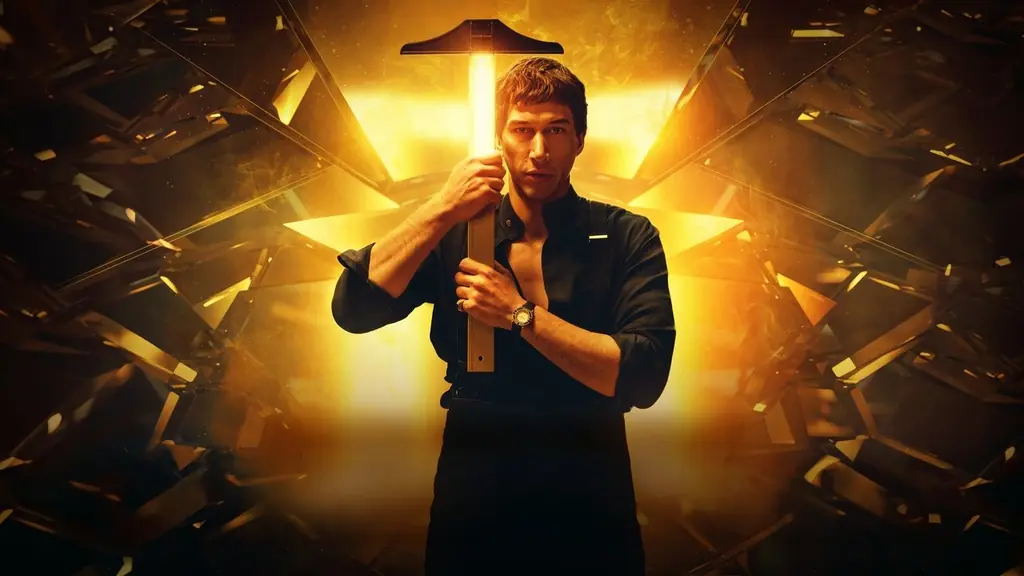
The narrative centers on Adam Driver as Caesar, an architect with a vision for utopia, clashing with the traditionalist mayor, played by Giancarlo Esposito. Their conflict is less about individuals and more about ideologies: progress versus tradition. The film does a commendable job of priming the audience to view its characters as concepts rather than mere people. This allegorical framework, particularly in the first half, is genuinely engaging, posing interesting questions about the nature of progress and whether the ends justify the means. There's even a love story woven in, with Caesar falling for the mayor's daughter, further complicating the ideological battle.
Cameos, Nostalgia & Narrative Stakes
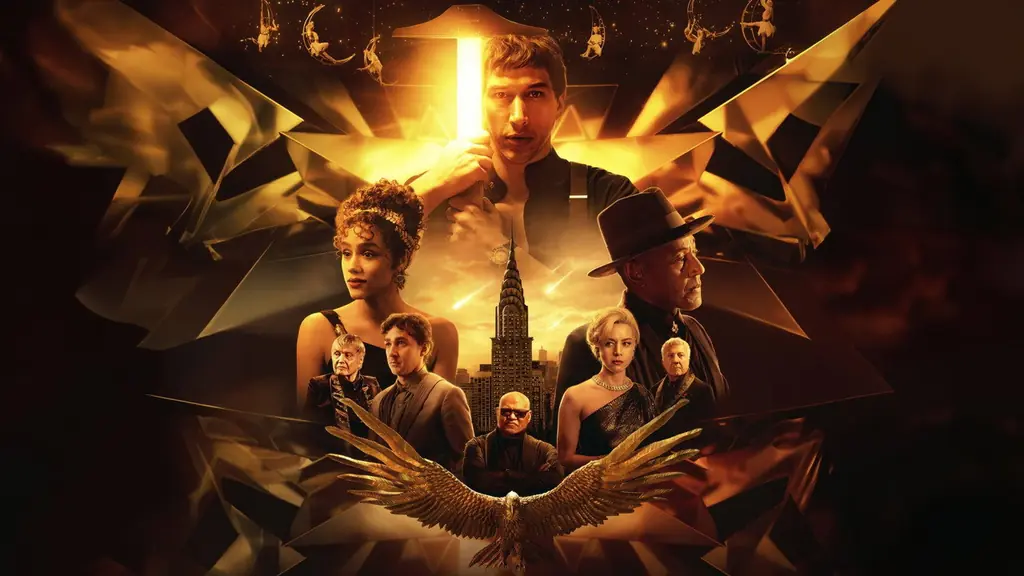
Megalopolis boasts a truly stacked cast, including Nathalie Emmanuel, Aubrey Plaza, Shia LaBeouf, Jon Voight, Laurence Fishburne, and Talia Shire, all of whom deliver fine performances within their conceptual roles. However, the film's narrative cohesion takes a nosedive in its second half. What began with a manageable pace devolves into a chaotic rush, feeling as though significant chunks are missing. Characters who seemed central simply disappear, leaving the audience to wonder if they were forgotten. The initial setup, which promised a thoughtful exploration of societal themes, fails to stick the landing, leaving a sense of unfulfillment.
Tone, Direction & Creative Freedom
Visually, Megalopolis is undeniably grand, with moments that hint at the visionary director behind classics like The Godfather. Yet, there are also instances where the green screen work is glaringly obvious. The film's allegorical depth, while initially compelling, eventually gives way to a feeling that Francis Ford Coppola became too prescriptive, dictating the "correct answer" to complex questions rather than allowing the audience to ponder. This uncompromising vision, coupled with the studio's seemingly desperate marketing tactics (like the trailer featuring fake reviews of Coppola's past successes), suggests a project where creative freedom may have veered into unchecked indulgence.
The Final Verdict
Megalopolis is an ambitious, visually striking, and deeply personal film for Francis Ford Coppola. It grapples with profound themes and boasts a stellar ensemble. However, its narrative unravels dramatically in the latter half, transforming from a thought-provoking fable into a disjointed mess. While there are flashes of brilliance, the film ultimately feels like a "mega mess" that fails to coalesce into a satisfying experience. It's a film made for Coppola, by Coppola, and while some may respect the sheer audacity, most viewers will find its execution frustratingly uneven and forgettable.
What Worked
- Visually grand and ambitious in scope
- Thought-provoking allegorical themes in the first half
- Strong performances from a stacked cast
- Engaging exploration of progress vs. tradition
What Didn't Work
- Second half becomes a chaotic, disjointed mess
- Pacing issues and disappearing characters
- Unfulfilling and prescriptive ending
- Feels like a self-indulgent vanity project
- Obvious green screen moments detract from visuals