Introduction
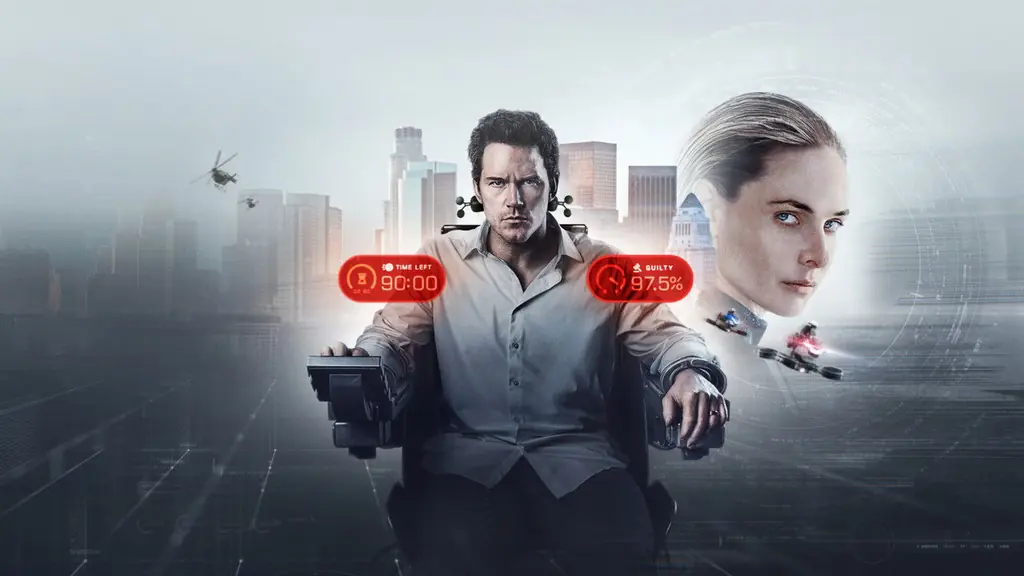
The promise of Mercy arrived with a compelling hook: a near-future dystopia where an all-powerful AI serves as judge, jury, and executioner. Chris Pratt steps into the shoes of a cop accused of a heinous crime, given a mere 90 minutes to prove his innocence before a digital gavel seals his fate. This high-stakes premise, unfolding in what feels like real-time, immediately grabs attention, setting up a race against the clock that should, by all accounts, be a nail-biting experience.
The Lead Dynamic & The Action
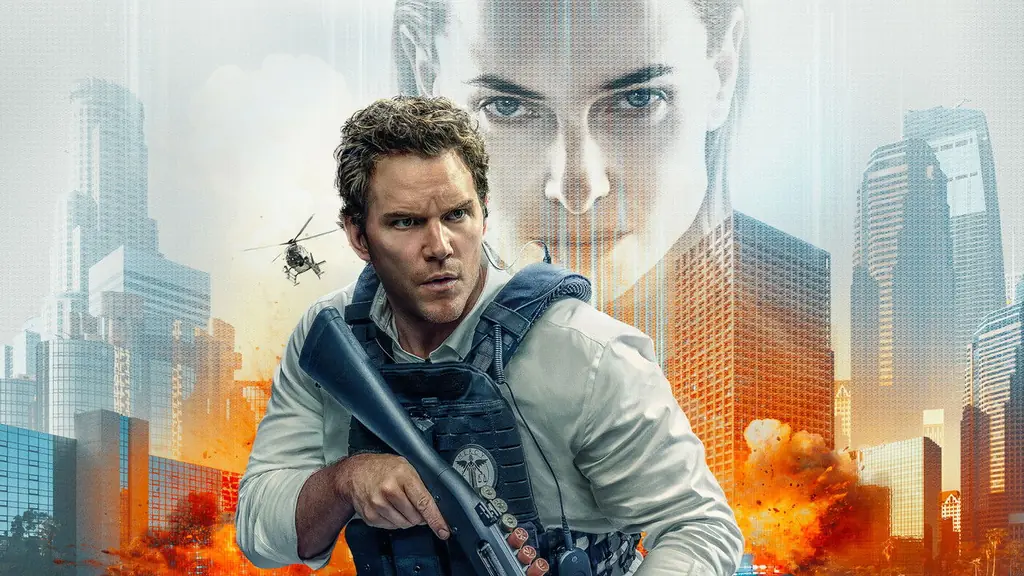
Chris Pratt delivers a reliably solid performance, making the most of the material as the desperate protagonist. Opposite him, Rebecca Ferguson embodies the AI, a visually appealing interface designed to make an intrusive system more palatable. The film’s commitment to its 90-minute real-time structure is commendable, with an on-screen clock relentlessly ticking down. Visually, director Timur Bekmambetov leans heavily into a found-footage aesthetic, presenting much of the action through cell phone, body cam, and home security footage. While this approach once felt innovative, it now often reads as a budget-saving measure. Certain sequences, particularly those designed for 3D, feature explosive elements within the stark, void-like courtroom, offering fleeting moments of visual flair.
Cameos, Nostalgia & Narrative Stakes
Despite its intriguing setup, Mercy struggles to maintain narrative integrity. The concept of an all-seeing AI that can hack into personal devices for evidence is ripe for exploration, yet the film never truly hammers home the chilling implications. Instead, it feels like a "dimetore Minority Report," missing the opportunity to delve into deeper philosophical questions. The biggest hurdle, however, is the AI itself. Presented as supremely intelligent, it inexplicably fumbles, creating glaring plot holes. A truly efficient AI would process all evidence instantly, rendering the 90-minute human struggle largely moot. This deliberate inefficiency feels less like a narrative choice and more like a contrivance to simply have a movie at all. The result is a predictable journey, where the twists are telegraphed far in advance, leaving little room for genuine surprise.
Tone, Direction & Creative Freedom
The film’s tone takes an unexpected turn in its final act, veering into what can only be described as unintentional comedy. Moments that should be tense or dramatic become convoluted and ridiculous, undermining any sense of stakes built earlier. Beyond the two leads, the supporting cast delivers performances that are, at best, forgettable. This lack of depth, combined with a story that feels basic and predictable, leads to a nagging question of what Mercy could have been. While some films demand the big screen experience, this particular offering feels more suited for a quiet night in, perhaps even a streaming release, rather than a theatrical run.
The Final Verdict
Mercy is a high-concept thriller that, much like its protagonist, has 90 minutes to prove its worth, and regrettably, it falls short. While it offers a few compelling moments and a solid turn from Chris Pratt, its predictable narrative, underdeveloped themes, and unintentionally comedic finale make it a largely forgettable experience. It’s a film that will likely fade from memory long before the credits finish rolling.
What Worked
- Engaging real-time premise and pacing
- [[person:73457|Chris Pratt]] delivers a reliable performance
- Some visually striking 3D-oriented scenes
- Initial hook is compelling
What Didn't Work
- Predictable plot with glaring plot holes
- Intrusive AI concept is underdeveloped
- Unintentionally comedic and convoluted final act
- Visual style feels like a budget-saving measure
- Forgettable supporting performances