Introduction
The hype surrounding a biopic about the "greatest entertainer of all time" was palpable. Audiences eagerly anticipated a deep dive into the life of Michael, the global phenomenon whose influence remains undeniable. This film promised to explore the humble beginnings, the meteoric rise to fame, and the complex personal struggles that defined an icon. While it delivers on some fronts, it also leaves viewers wanting more, feeling like a "biopic 101" approach to a life that was anything but basic.
The Lead Dynamic & The Action
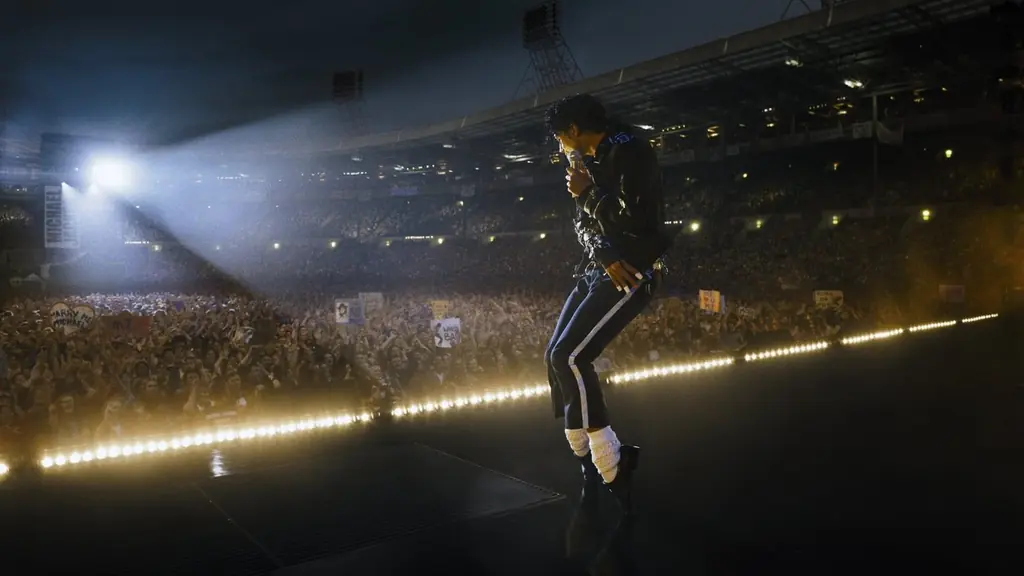
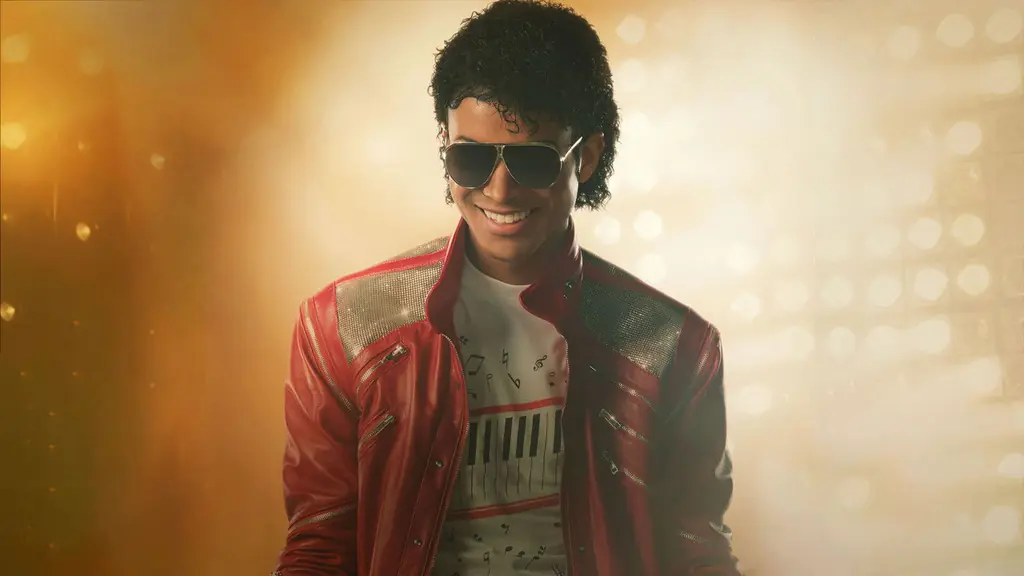
The heart of Michael beats strongest in its performances. Jaafar Jackson, Michael Jackson's nephew, takes on the monumental task of portraying his uncle, and the result is nothing short of shocking. What begins as a convincing impersonation quickly evolves into a profound embodiment. As the film progresses, Jaafar Jackson settles into the role, delivering a performance that feels less like mimicry and more like a genuine channeling of the King of Pop. It's a modern depiction of a Michael Jackson concert, captured with contemporary cinematography, that truly stands out.
Equally compelling is Colman Domingo as Joe Jackson. His portrayal is as perfect as one might expect, casting Joe as the undeniable villain of the story. The film effectively captures the tension between Michael, the unstoppable force destined for solo stardom, and Joe, the immovable object attempting to control his son's life. This dynamic provides a humanizing look at the insecurities of even the most famous entertainer on the planet, showcasing the enduring hold parents can have over their children.
The musical sequences are, of course, a highlight. Seeing iconic music videos like "Thriller" and "Beat It" recreated on the big screen is undeniably cool. However, the exact camera angles used for "Thriller" sometimes highlight the subtle differences in movement, reminding viewers it's not the original. Yet, a full musical sequence of Michael performing "Bad" on stage is described as "awesome," a moment where the film truly electrifies.
Cameos, Nostalgia & Narrative Stakes
For dedicated Michael Jackson fans, this film is a treasure trove of music and moments. However, it largely adheres to a "basic biopic 101" formula. While it offers glimpses behind the curtain, such as the infamous hair-on-fire incident—a moment that introduced Michael to pain medication and profoundly changed his life—these significant events are often treated superficially. The film acknowledges their importance but doesn't delve into their lasting impact, seemingly relying on the audience's prior knowledge.
One of the film's most significant narrative challenges stems from an alleged clause in a settlement contract, which reportedly forced the filmmakers to abandon the planned third act. The result is a film that feels distinctly incomplete, ending abruptly after the "Bad" album era. It leaves a gaping hole, hinting at context for later life events—like Michael's desire to hang out with children, framed as a consequence of his own lost childhood under Joe Jackson's control—without ever fully exploring them. The narrative feels like a "keyhole" view of a vast life, a summary rather than a comprehensive story.
Tone, Direction & Creative Freedom
Antoine Fuqua directs a film that is clearly made for Michael Jackson fans. The music is, as expected, great, and the performances are strong. The film excels at illustrating just how enormous Michael Jackson's presence was, using the big screen as a canvas for his larger-than-life persona. However, this focus on spectacle and fan service comes at the cost of narrative depth and a complete life story.
The film concludes with the phrase, "His story continues," which feels less like a promise of a sequel and more like an acknowledgment of the story's incompleteness. Given the financial success of other biopics, it's highly probable that a sequel will be made if this film performs well. Yet, as it stands, Michael feels like only half a story, leaving audiences with a sense of anticipation for what could have been, or what might still be.
The Final Verdict
Michael is a film that delivers electrifying performances and iconic musical moments, particularly from Jaafar Jackson and Colman Domingo. It successfully captures the humanizing tension between Michael and his father, offering a compelling angle on his early life and rise to fame. However, its narrative feels truncated, lacking a crucial third act and glossing over significant life events. While it's a must-see for dedicated Michael Jackson fans who will appreciate the spectacle and the music, others might find it a somewhat basic and incomplete portrayal of an extraordinary life. It's worth checking out, especially for the performances, but be prepared for a story that feels like it's just getting started when the credits roll.
What Worked
- Jaafar Jackson's shockingly good embodiment of Michael Jackson
- Colman Domingo's perfect portrayal of Joe Jackson
- Electrifying musical sequences, especially the "Bad" performance
- Humanizing exploration of Michael's relationship with his father
- Captures the sheer scale and impact of Michael Jackson's artistry
What Didn't Work
- Feels like a "basic biopic 101" with a truncated narrative
- Significant life events are glossed over or not fully explored
- Lacks a complete third act, leaving the story feeling unfinished
- Relies on audience's prior knowledge for context of key moments