A Primal Roar from the Depths
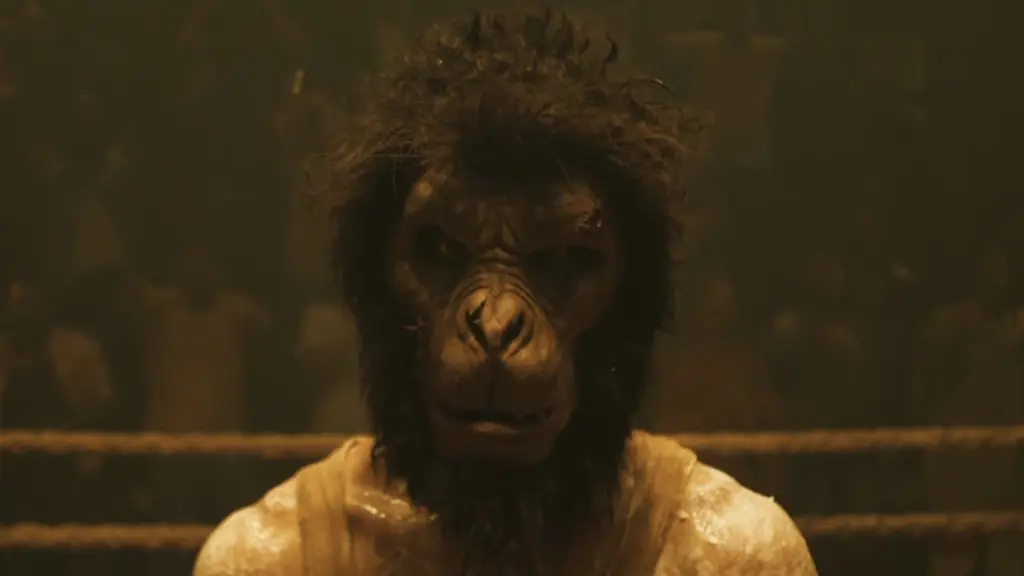
The buzz around Monkey Man has been palpable, with trailers hinting at a relentless, adrenaline-fueled ride. Audiences anticipated a "John Wick with a monkey mask," a straightforward action spectacle. While the film certainly delivers on a visceral level, Dev Patel's feature-length directorial debut is a far more complex beast, swinging for deeper emotional resonance even as it throws a flurry of fists.
The Damaged Hero and the Frenetic Fights
Dev Patel anchors the film as a "damaged strong silent type," a character driven by a clear revenge angle. His performance is commendable, showcasing his range beyond his established dramatic and comedic chops. The action sequences, particularly a "pretty sweet fight that takes place in a bathroom" and the "action-packed" final half-hour, are designed to land with impact. When the hits connect, they are undeniably "satisfying."
However, the film's visual execution of these brawls is a significant point of contention. The pervasive use of shaky cam, a technique many hoped had been relegated to cinema's past, makes a jarring comeback. There are moments where the action is so obscured, one can't help but wish for clearer framing. It feels as if two distinct approaches to cinematography were at play: one aiming for brutal impact, the other for a disorienting, almost nauseating, blur. This inconsistency often detracts from the otherwise potent choreography.
Unpacking the Narrative and the Close-Up Conundrum
Beyond the fists and fury, Monkey Man attempts a "deeper and heartfelt angle," exploring a character's "soul-searching arc of self-discovery." The narrative begins with a mythological setup, establishing the protagonist's journey from taking a beating in a fighting ring to pursuing a defined goal. This ambition to unpack complex themes is admirable, but the execution sometimes falters.
A particular stylistic choice—the overuse of close-up shots—creates a sense of claustrophobia and disconnect. While close-ups can effectively convey pain or emotional states, their relentless application here strips away any sense of scale or environment. Viewers might find themselves yearning for wider shots, struggling to grasp the spatial dynamics of a scene. Even a brief, memorable cameo by Sharlto Copley, who "chews up every scene he's in," feels too fleeting, leaving one wanting more from such a compelling presence.
A Bold Vision, Not Without Its Stumbles
Dev Patel takes "a lot of swings" with Monkey Man, and while "not all the swings connect," enough of his vision lands to make for an engaging experience. The film maintains a solid momentum for much of its runtime, only occasionally grinding to a halt when the narrative leans too heavily into its more introspective, yet visually constrained, moments. It's a film that, despite its flaws, leaves a lasting impression, proving that a good time can be had without any artificial enhancements.

The Final Verdict
Monkey Man is a raw, ambitious, and often thrilling directorial debut from Dev Patel. It's not the straightforward action romp the trailers might suggest, but rather a more personal, albeit visually uneven, revenge saga. While the shaky cam and excessive close-ups can be frustrating, the film's heart, its brutal action, and Patel's committed performance ensure it's a journey worth taking. It's a testament to a filmmaker willing to push boundaries, even if the landing isn't always perfectly stuck.
What Worked
- Dev Patel's committed and powerful lead performance
- Visceral, impactful action sequences when clearly visible
- Ambitious blend of revenge thriller with deeper themes
- A "sweet fight" in a bathroom that stands out
- Strong, memorable cameo from Sharlto Copley
What Didn't Work
- Excessive shaky cam obscures much of the action
- Overuse of claustrophobic close-up shots
- Pacing occasionally slows down during introspective moments
- Trailers misrepresented the film's true nature