Introduction
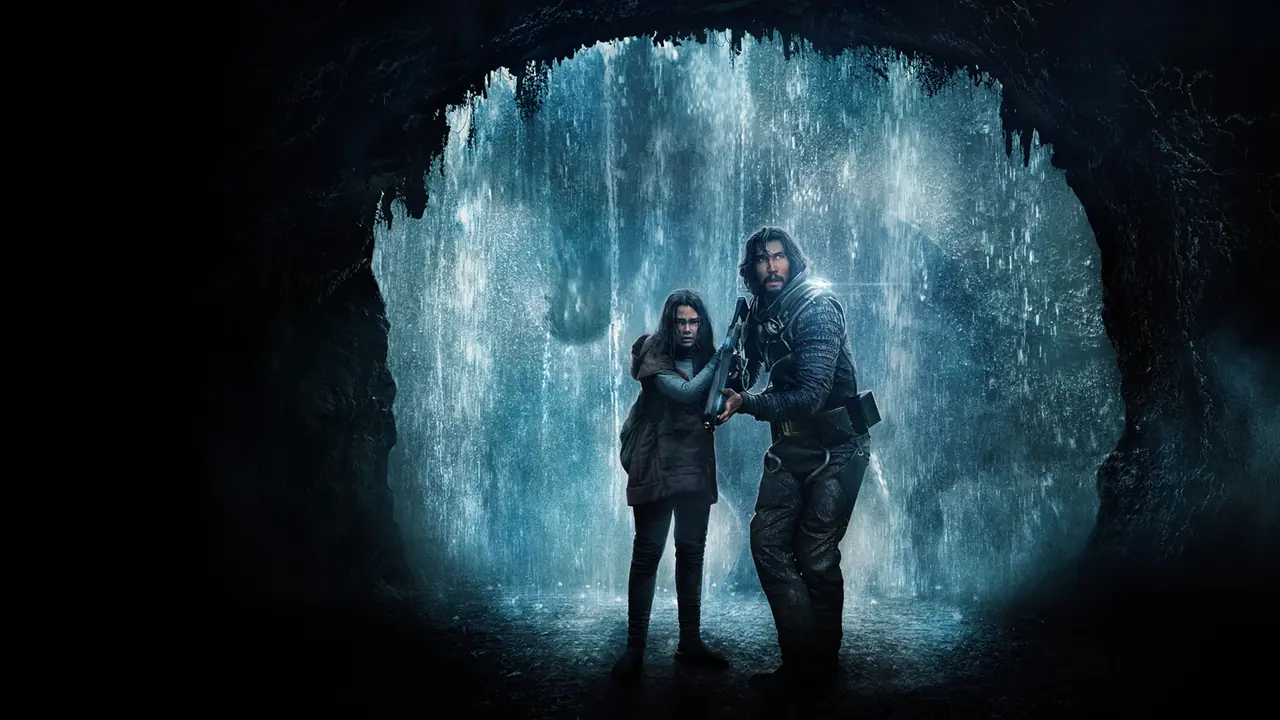
The air crackles with anticipation whenever Robert Eggers unveils a new vision. With Nosferatu, the director plunges audiences into a world of death, destruction, and madness, just in time for the holidays. This isn't just another vampire flick; it's a chilling return to the primal evil of the undead, a retelling that honors its 1922 classic roots while carving its own terrifying path. Forget sparkly creatures; this is pure, unadulterated gothic horror.
The Lead Dynamic & The Action
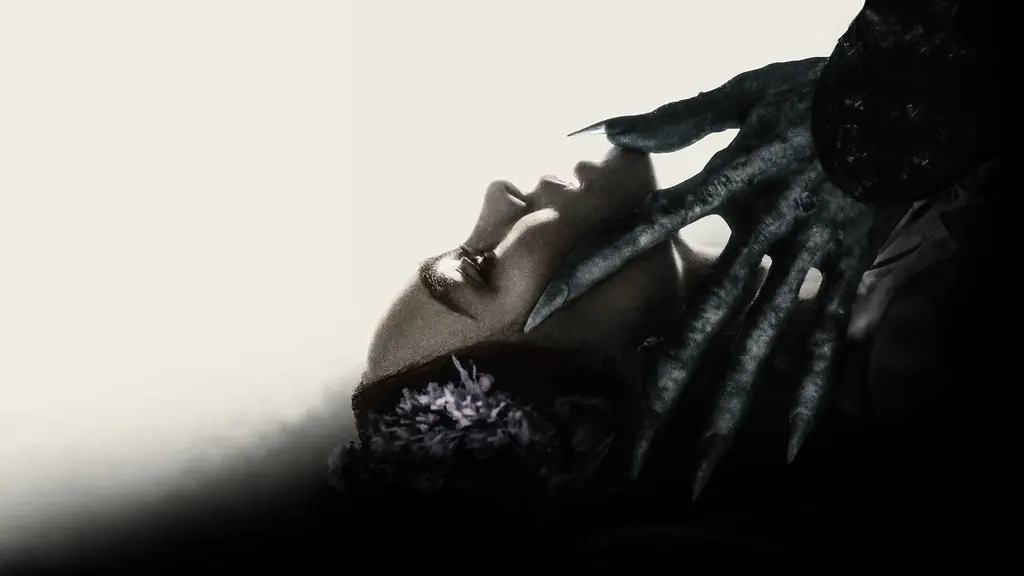
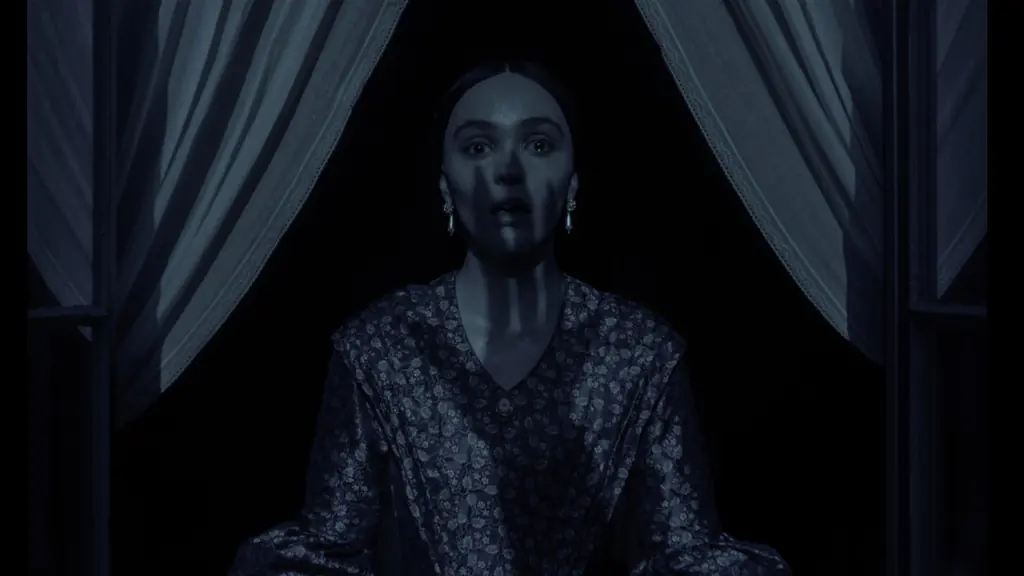
From the moment Nicholas Hoult's Thomas steps into that ominous castle, a palpable dread takes hold. Bill Skarsgård's Count Orlok is less a character and more a menacing presence, a force of evil incarnate. The film masterfully keeps Orlok's appearance under wraps, often blurring him in the background or shrouding him in shadows, allowing his booming voice and the sheer terror of those around him to define his power. This isn't a man; it's a walking nightmare, a creature so terrifying you'd rather face a demon from The Conjuring. Nicholas Hoult brilliantly conveys this escalating fear, transforming from awkwardness to sheer terror within a single, uncut scene. The entire cast, including Lily-Rose Depp as the object of Orlok's obsession, delivers intense, shifting emotional states, showcasing their talent under Eggers' demanding eye. It’s a testament to the actors' skill that such raw emotion can be captured in sustained, unbroken shots.
Cameos, Nostalgia & Narrative Stakes
Nosferatu consciously echoes the spirit of Bram Stoker's Dracula, particularly Francis Ford Coppola's take, in its approach to mystical elements and subtle horror. This isn't a film that relies on cheap jump scares or excessive CGI. Instead, it embraces a "less is more" philosophy, utilizing practical effects, makeup, shadow, and lighting to create a truly unsettling atmosphere. The decision to film in 35mm is evident in every frame, from the film grain to the rich color and contrast, lending an authentic, timeless quality to the horror. While the narrative stakes are clear—the battle against pure evil—the film's strength lies in its commitment to a classic, almost ethereal horror that prioritizes mood and dread over overt action.
Tone, Direction & Creative Freedom
Robert Eggers maintains a tightly controlled vision, ensuring every element on screen serves a deliberate purpose. The film's dreary darkness is occasionally punctuated by intentional humor, often courtesy of Willem Dafoe's character, the "not Van Helsing" figure. His campy, yet utterly serious, delivery of lines provides a welcome, if slightly jarring, contrast to the pervasive gloom. It's a bold choice that highlights the absurdity of confronting such ancient evil in a world that refuses to believe. However, the film does struggle slightly with illustrating the passage of time, leaving some ambiguity about how long characters endure their torment. Despite this minor stumble, Eggers' direction ensures that Nosferatu remains a cohesive, terrifying experience.
The Final Verdict
If you crave gothic horror that is dark, messed up, and twisted, then Nosferatu delivers precisely what it promises. It's a film that feels like Dracula's younger, more intense sibling, one that has something to prove and absolutely does. Where Bram Stoker's Dracula might lean into mystical romance, Eggers' vision is pure, unadulterated gothic horror—horror in its imagery, its tone, and the absolute terror it instills in its characters. This is a film that demands to be seen, a masterclass in dread that will linger long after the credits roll.
What Worked
- [[person:137905|Bill Skarsgård]]'s terrifying, unrecognizable Count Orlok.
- Exceptional acting, especially from [[person:3292|Nicholas Hoult]] and [[person:1459885|Lily-Rose Depp]].
- [[person:138781|Robert Eggers]]'s masterful direction and subtle horror.
- Stunning 35mm cinematography and practical effects.
- Intentional, well-placed humor from [[person:5293|Willem Dafoe]].
What Didn't Work
- Ambiguous illustration of time passage.
- [[person:5293|Willem Dafoe]]'s campy delivery occasionally verges on cheesy.
- Orlok's appearance might not match all expectations.