Introduction
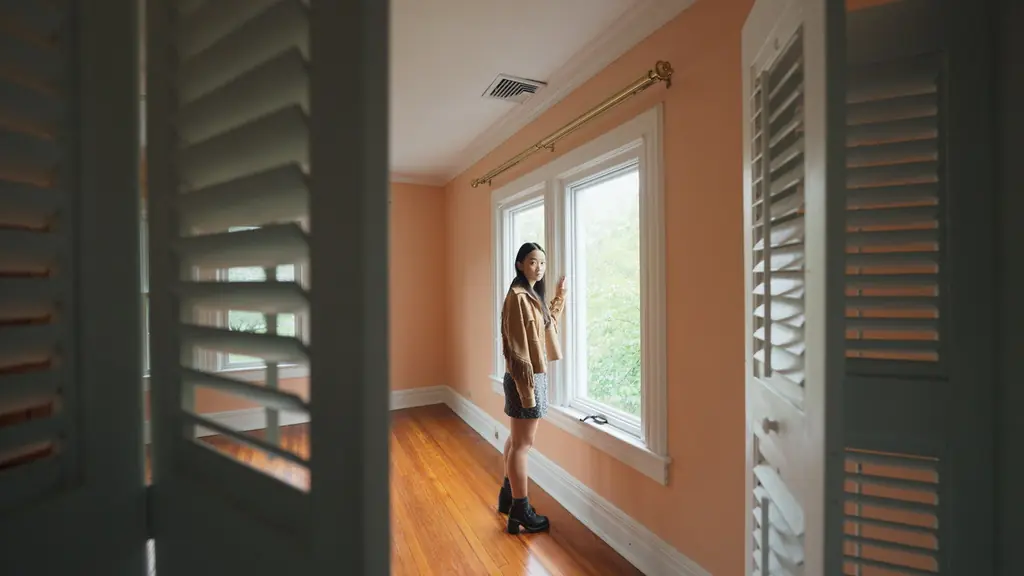
The buzz around Steven Soderbergh's latest, Presence, promised a fresh take on the supernatural. Audiences anticipated a chilling ghost story, but what arrived is something far more nuanced: a family drama seen through the eyes of an unseen entity. This isn't your typical jump-scare fest; imagine a ghost whose primary concern is tidying up clothes rather than rattling chains. It's a bold concept, aiming to place the viewer directly into the ethereal shoes of a house spirit, observing a family's unraveling from an unprecedented vantage point.
The Lead Dynamic & The Action
At its core, Presence is a raw, intimate look at a family grappling with internal strife. The tension within the marriage and among the siblings forms the backbone of the narrative. Chris Sullivan shines as the beleaguered father, a grounding force attempting to keep his family from fracturing. His performance anchors the film, delivering heartfelt speeches that resonate. Lucy Liu embodies a character whose complexities might just have audiences pondering the merits of prenuptial agreements. The story largely unfolds around the daughter, the only one attuned to the spectral observer. The film truly captivates when it consistently reminds the audience of their unique perspective, making them feel like an active, albeit invisible, participant in the domestic drama.
Cameos, Nostalgia & Narrative Stakes
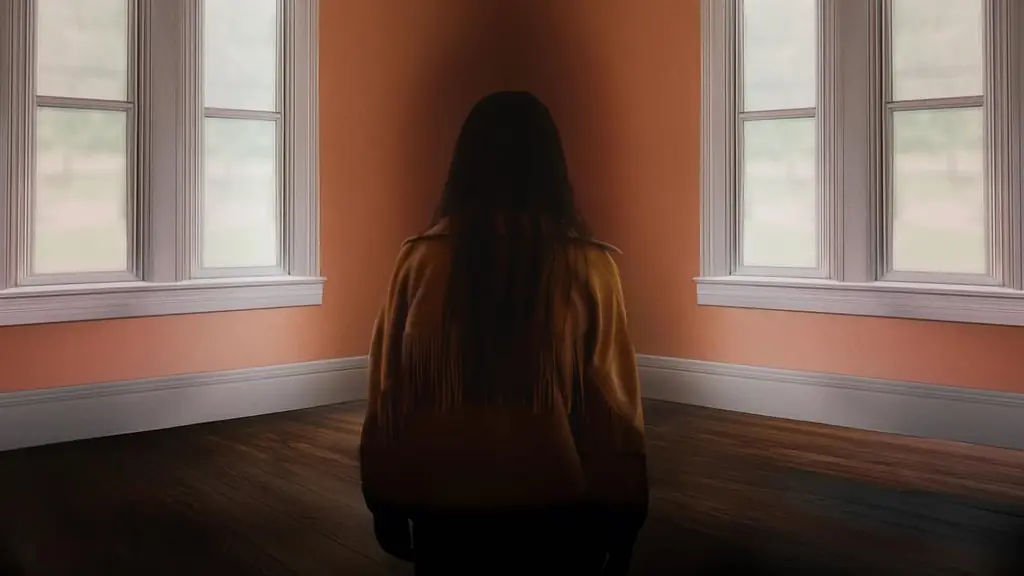
The film's central conceit—experiencing events from the spirit's first-person POV—is its most distinctive feature. It's a clever trick, akin to wearing 3D glasses until your brain adjusts and the effect fades. For Presence, maintaining this immersion is crucial. However, the film occasionally falters. Jarring cuts, rather than seamless transitions, can pull the viewer out of the spirit's perspective, making it feel like a conventional family drama. A more organic transition, perhaps a fade to black, might have better preserved the illusion of a spirit drifting in and out of awareness. Without the constant reinforcement of its unique viewpoint, the film risks becoming just another story of domestic discord, leaving some narrative threads intentionally unresolved.
Tone, Direction & Creative Freedom
Steven Soderbergh's direction is marked by impressive long takes and sweeping POV shots, a testament to meticulous planning. Yet, this ambitious approach sometimes works against the film. The rapid 11-day shoot and a lean $2 million budget meant that some scenes, despite their visual ambition, feature performances that don't quite hit the mark. In an industry where "time is money," the pressure to move forward likely meant some weaker acting moments were overlooked. This creative constraint, while enabling a unique vision, occasionally sacrifices polish for pace. Ultimately, Presence feels like a film crafted for those who constantly seek something novel, a cinematic palate cleanser for critics and cinephiles alike.
The Final Verdict
Presence is an intriguing experiment that offers a fresh lens on a familiar genre. While it doesn't always stick the landing, its unique perspective and compelling family dynamics make for an engaging watch. The ending provides plenty to ponder, inviting a second viewing to fully appreciate its subtleties. This is a film best experienced from the comfort of your own home, where its intimate scale and thoughtful premise can truly shine. Save your cinema ticket money; this one's perfectly suited for a streaming night.
What Worked
- Innovative first-person spirit perspective.
- Compelling family drama at its core.
- Strong, grounding performance from [[person:1293892|Chris Sullivan]].
- Thought-provoking and open-ended conclusion.
- Ambitious long takes and POV cinematography.
What Didn't Work
- Jarring cuts occasionally break immersion.
- Some acting performances feel unpolished.
- Leaves certain narrative questions unanswered.
- Not a film worth a premium cinema ticket.