Introduction
The anticipation for Project Hail Mary has been palpable, especially with the creative minds of Phil Lord and Christopher Miller at the helm, adapting Andy Weir's beloved novel. Following in the footsteps of "The Martian," this latest venture into interstellar problem-solving promised a blend of scientific ingenuity, humor, and heart. Audiences were eager to see how the quirky, introspective journey of Ryland Grace would translate to the big screen, and whether the film could capture the unique spirit of its source material while delivering a fresh cinematic experience.
The Lead Dynamic & The Action
From the moment [[Ryan Gosling]]'s Ryland Grace awakens with amnesia aboard a spaceship, the film establishes a compelling mystery. [[Ryan Gosling]] delivers a performance that is both humorous and deeply heartfelt, perfectly embodying the quirky, overqualified middle school teacher described in the book. His portrayal anchors the narrative, making the audience genuinely invested in his predicament.
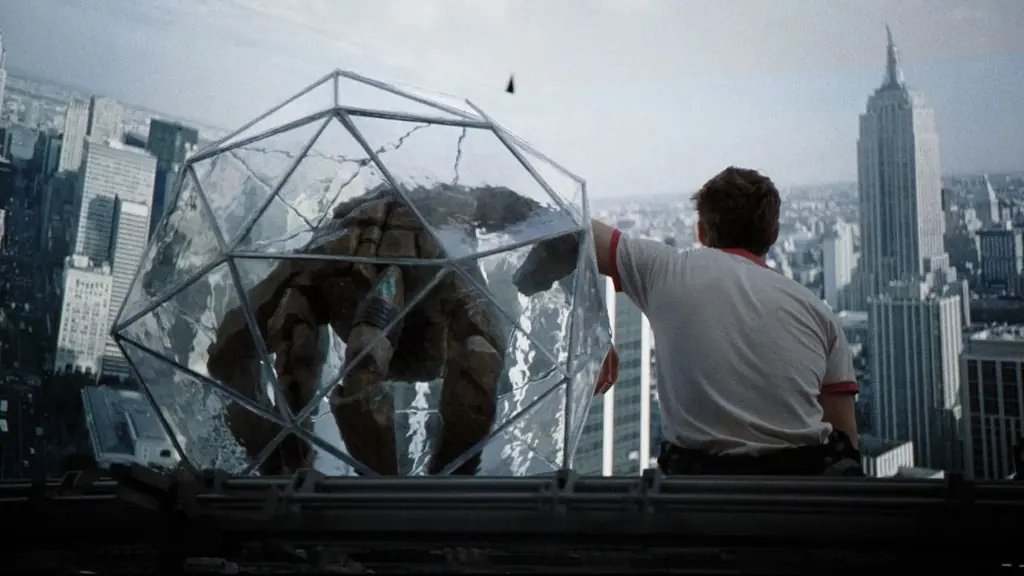
The true magic, however, unfolds with the introduction of Rocky, the extraterrestrial companion. The dynamic between Ryland and Rocky is the beating heart of Project Hail Mary, a delightful "odd couple in space" scenario that generates both laughter and genuine emotion. Reports suggest Rocky is largely an animatronic puppet, a choice that pays dividends in creating a tangible, believable presence that enhances the friendship.
Visually, the film is a triumph. Eschewing the often-criticized "CGI cesspool" of modern cinema, Project Hail Mary opts for a more grounded, dramatic aesthetic. The sets and lighting feel remarkably real, a testament to the masterful cinematography of Greig Fraser, known for his work on "Dune" and "The Batman." His use of stark shadows and dramatic lighting creates a classic cinematic look, providing depth and immersion that is noticeably absent in many contemporary productions.

Cameos, Nostalgia & Narrative Stakes
As an adaptation, Project Hail Mary navigates the delicate balance between faithfulness and cinematic necessity. While Lord and Miller inject their signature humor, making the film funnier than the book, they largely remain true to the source material's spirit. The core narrative of Ryland Grace's mission to save the sun, told through flashbacks, retains its integrity.
However, the film does fast-track some of the book's more intricate deductive reasoning and profound reveals. Moments where Ryland's internal thought process and problem-solving were central to the book's appeal are sometimes condensed or conveyed through quick voiceovers, potentially diminishing their impact for those familiar with the novel. For instance, Ryland's realization of being in space is significantly expedited compared to the book's detailed mathematical deduction.
Conversely, the film wisely dedicates ample time to the language barrier between Ryland and Rocky, a section that was a highlight in the book. This patient exploration of their communication challenges allows for a deeper connection to form between the characters and the audience, proving that the filmmakers understood which elements truly needed room to breathe.
Tone, Direction & Creative Freedom
Phil Lord and Christopher Miller's direction shines through, infusing Project Hail Mary with a lively, witty tone that never feels out of place. Their ability to enhance the humor without betraying the source material's scientific integrity is commendable. The film feels like a natural extension of Andy Weir's world, albeit with a more pronounced comedic flair.
The pacing, however, presents a curious paradox. At nearly 2 hours and 40 minutes, the film occasionally feels slightly too long, with moments that could have been tightened. Yet, simultaneously, there's a sense that a longer cut, one that allowed more space for the detailed troubleshooting and thought processes from the book, would have felt more earned and less rushed in certain narrative beats. This creates a unique tension where the film is both lengthy and, in some respects, too brief.
The Final Verdict
Project Hail Mary is a genuinely great cinematic achievement, offering a refreshing blend of sci-fi adventure, humor, and profound emotional depth. It's a story about friendship, self-sacrifice, and the common person rising to an extraordinary challenge. [[Ryan Gosling]] delivers a standout performance, brilliantly supported by the unique dynamic with Rocky. While some narrative shortcuts might be noticeable to devoted book readers, the film's overall charm, stunning visuals, and heartfelt core make it an absolute must-see. It's an exciting, funny, and deeply moving experience that stands as one of the year's best.
What Worked
- [[Ryan Gosling]]'s charismatic and humorous performance.
- The unique and heartfelt friendship between Ryland and Rocky.
- Stunning, dramatic cinematography by [[person:107446|Greig Fraser]].
- Engaging blend of humor and emotional depth.
- Respectful yet funnier adaptation of the source material.
What Didn't Work
- Fast-tracks some profound book moments, losing narrative punch.
- Pacing issues make the nearly 2h 40m runtime feel slightly long.
- Book readers might feel some deductive reasoning is glossed over.