Introduction: A Promising Premise, A Disappointing Reality
When a film from the writer of Seven and 8mm, Andrew Kevin Walker, hits the scene, especially one titled Psycho Killer, anticipation naturally builds for a gritty, intense serial killer manhunt. Add to that the feature-length directorial debut of Gavin Polone, and the stage seems set for a compelling new entry in the genre. However, after a three-year shelving period—always a red flag—this 2026 release arrives feeling less like a meticulously crafted thriller and more like a product of algorithmic assembly. It checks all the boxes for a "psycho killer manhunt" movie, yet somehow lacks any discernible soul, leaving audiences to wonder if the robots have indeed become self-aware, and their second order of business was to sabotage this film.
The Lead Dynamic & The Action: A Lone Cop Adrift
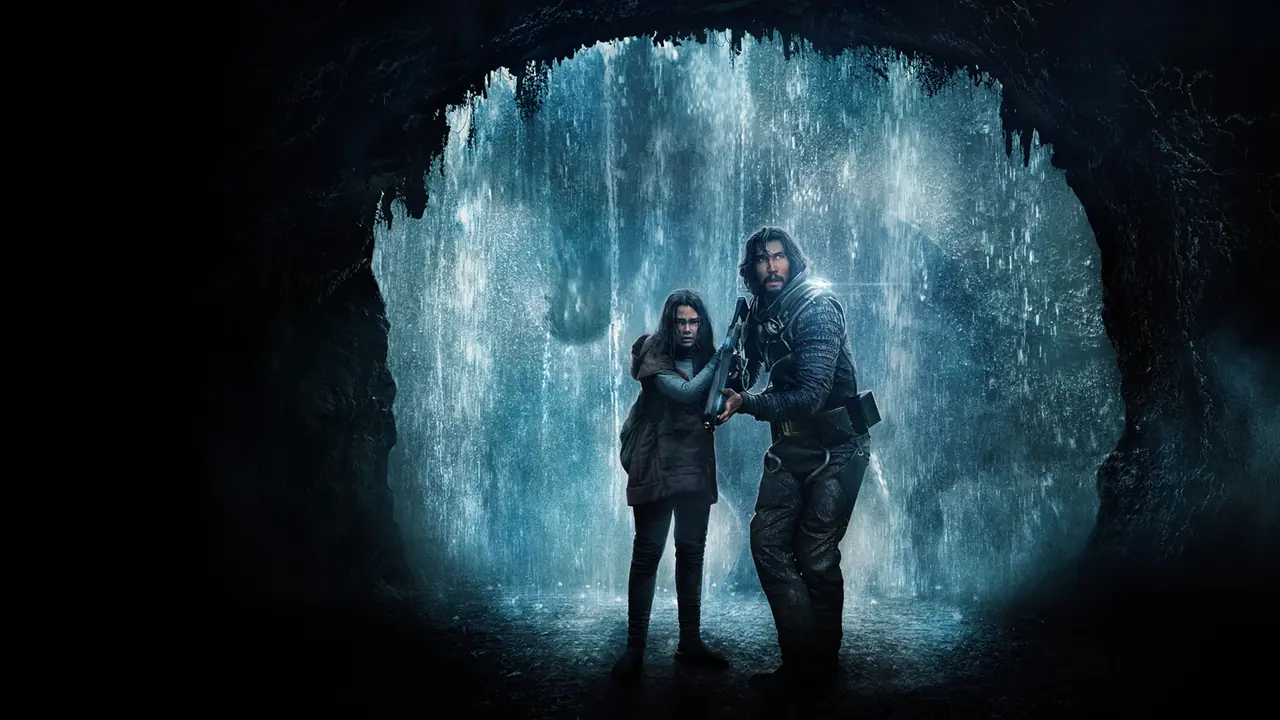
The narrative centers on a lone state trooper, played by Georgina Campbell, who embarks on a relentless hunt for a satanic serial killer leaving cryptic symbols in his victims' blood. Her motivation is deeply personal: the killer murdered her husband. While Georgina Campbell delivers a committed performance as the film's sole fleshed-out character, the movie struggles to build any meaningful dynamic around her. Other actors, like James Preston Rogers, Logan Miller, Grace Dove, Aaron Merke, Joshua Banman, and Cassandra Ebner, are relegated to brief appearances, essentially extras with dialogue who quickly vanish. This absence of a supporting cast—no boss, no partner, no one for her to bounce off of—leaves the protagonist isolated and the film feeling structurally hollow.
Budgetary constraints are glaringly evident throughout. A scuffle with the killer sees the protagonist thrown from a window, yet the aftermath, where a superior might reprimand her for going against orders, is conspicuously absent. It feels as if the film couldn't afford a police precinct set or additional actors to fill out the world. The protagonist's role as a cop ultimately feels like a mere convenience; the story might have been more engaging had she simply been a civilian pursuing the killer. Even a scene featuring the always welcome Malcolm McDowell feels entirely superfluous, adding nothing to the plot. It also showcases some truly questionable CGI blood spatter, disappearing mid-air in a moment that pulls viewers completely out of the experience.
Cameos, Nostalgia & Narrative Stakes: A Disjointed Collection of "Cool" Ideas
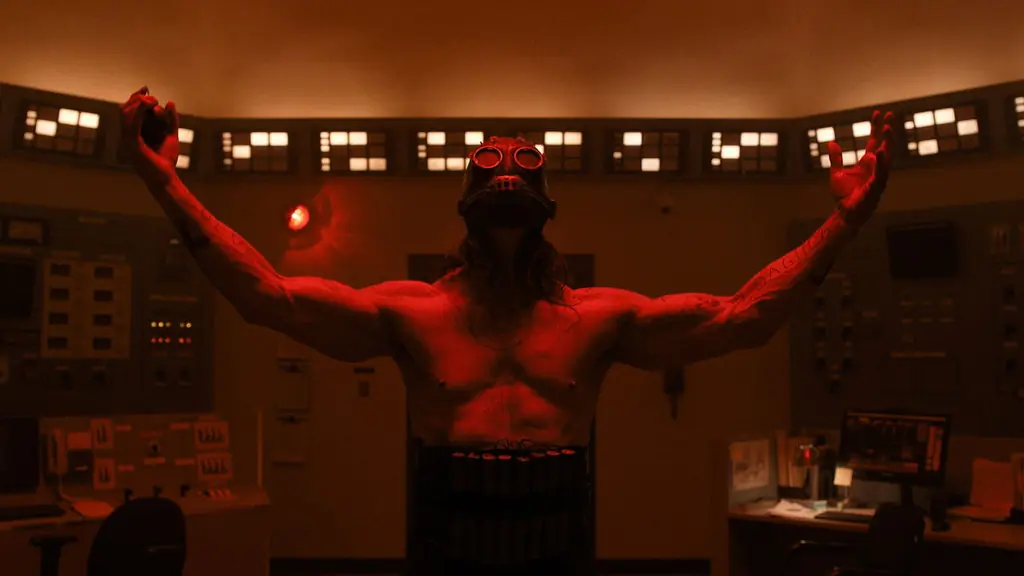
Psycho Killer suffers from a fundamental lack of cohesive storytelling. The film feels less like a narrative with a clear arc and more like a collection of isolated "cool" incidents brainstormed in a high school cafeteria. The killer, initially presented with an imposing silhouette and a creepy deep voice, maintains an air of mystery by not revealing his face for a significant portion of the film. This creative choice, which could have been a strength, ultimately feels accidental rather than intentional, lost in the overall sloppiness.
The plot struggles to establish genuine stakes or consistent character motivations. The killer's actions, such as stabbing a victim and drinking their blood via a harpoon to the carotid artery, are presented for shock value rather than serving the story. These moments, while aiming for unsettling, come across as gratuitous and disconnected from any larger purpose.
Tone, Direction & Creative Freedom: An Ending That Undermines Everything
The film's biggest misstep, however, lies in its final act. For an hour, Psycho Killer presents itself as a straightforward serial killer hunt, with the antagonist seemingly killing for sadistic pleasure. Then, abruptly, the killer's motivation shifts dramatically. He takes a hostage to infiltrate a nuclear power plant, aiming to cause a meltdown. This sudden pivot feels entirely unearned and disconnected from everything that preceded it. It's as if the filmmakers had one movie, shelved it without an ending, and then haphazardly grafted on a completely different, ill-fitting conclusion. The last 20-30 minutes feel like a different film entirely, rendering the preceding hour of "filler" pointless. The tonal whiplash and narrative inconsistency are jarring, leaving audiences with a profound sense of "why does this movie exist at all?"

The Final Verdict: A Crime Against Cinema
Psycho Killer is a frustrating experience that squanders its potential at every turn. What could have been a tense, character-driven thriller devolves into a disjointed, poorly executed mess. It's a film that feels less like a creative endeavor and more like a series of missed opportunities and baffling choices.
What Worked
- Initial concept of a serial killer manhunt from a renowned writer.
- The killer's imposing silhouette and creepy voice create an initial sense of dread.
- [[person:1335315|Georgina Campbell]] delivers a committed performance as the lone protagonist.
- The early decision to keep the killer's face hidden adds to the mystery (initially).
What Didn't Work
- Lacks narrative soul despite checking genre boxes.
- Severe budget limitations are evident, impacting production quality and scope.
- Protagonist lacks supporting characters, leading to a hollow structure.
- Killer's motivation is inconsistent, culminating in a nonsensical ending.
- Disjointed plot feels like a collection of isolated "cool" ideas rather than a cohesive story.
- Pointless cameos that add nothing to the narrative.