Introduction
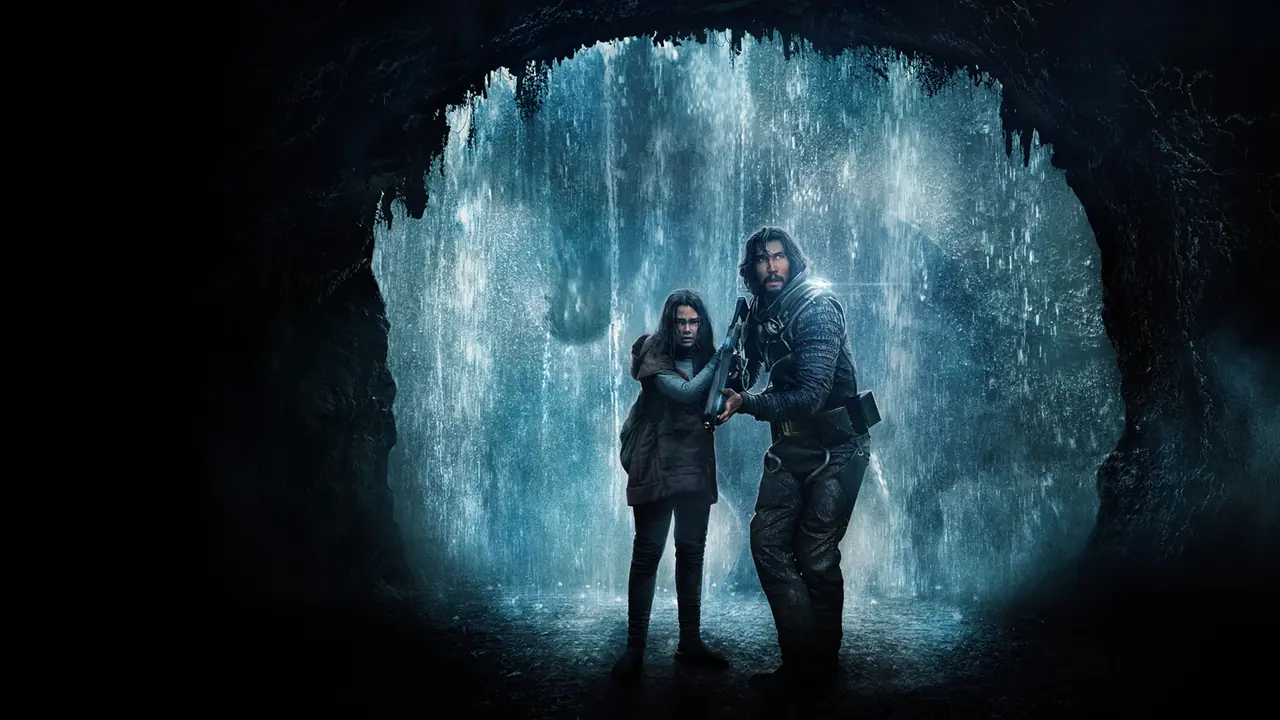
The 1989 cult classic Road House gets a modern, sun-drenched update in the 2024 remake, transporting the bouncer saga from the smoky dives of Missouri to the rum-soaked bars of the Florida Keys. Anticipation for this reimagining was palpable, especially with Jake Gyllenhaal stepping into the iconic role of Dalton. For those not burdened by nostalgic attachment to the original, this new take promised a fresh, action-packed romp, and for the most part, it delivers a wild ride that embraces its campy spirit.
The Lead Dynamic & The Action
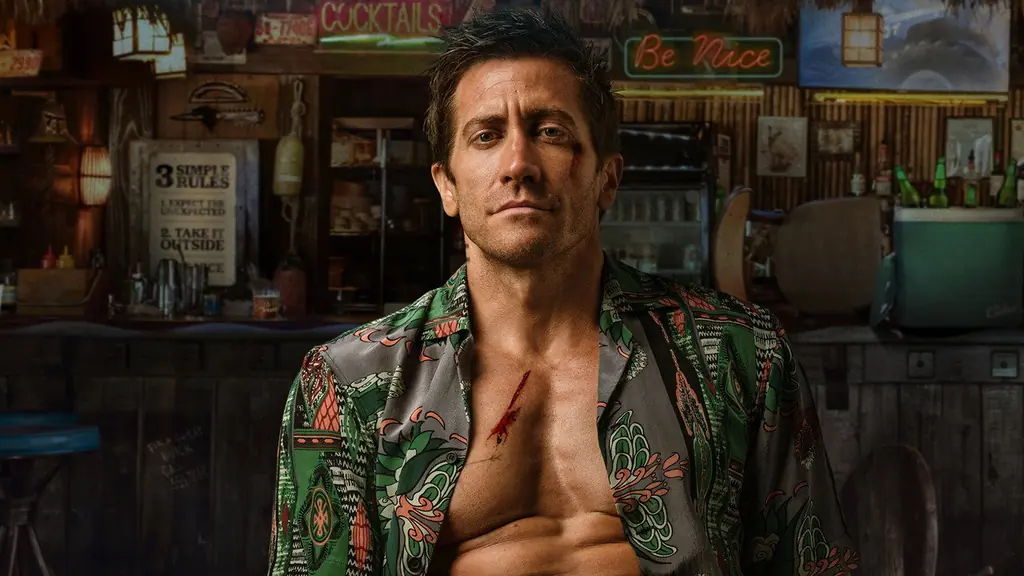
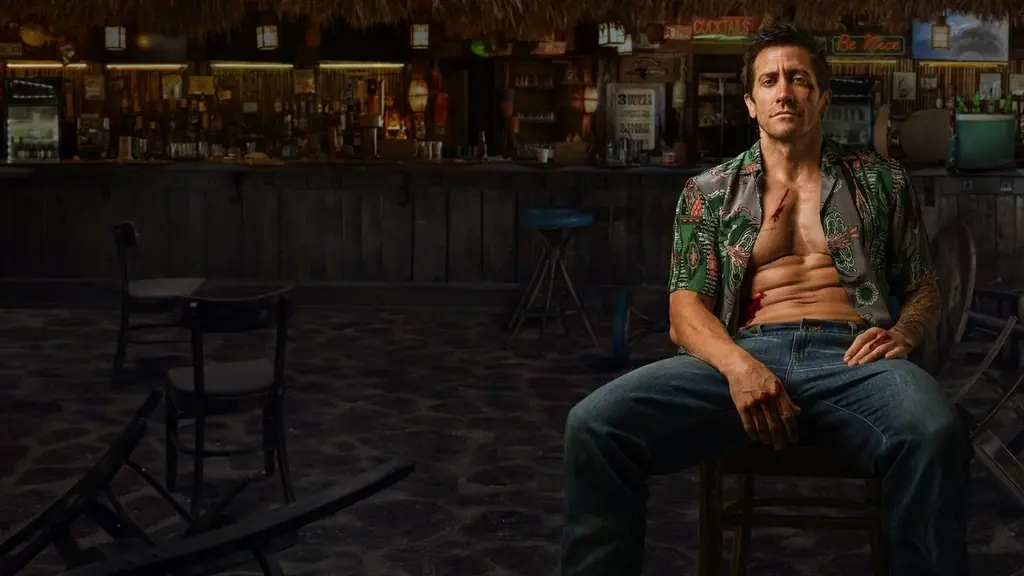
At the heart of this new Road House is Jake Gyllenhaal's magnetic performance as Dalton, a former UFC fighter turned drifter. Gyllenhaal, once again "jacked Gyllenhaal" as seen in films like Southpaw, embodies a "speak softly but carry a big stick" persona that is both cathartic and endlessly watchable. His onscreen charisma is undeniable, effortlessly navigating the film's tonal shifts between serious action and outright camp. He's a one-man Seven Samurai, a mercenary protecting a local establishment from encroaching "douchebaggery."
The action sequences are plentiful, and the fight choreography attempts a distinctive style. Doug Liman's direction often employs sweeping, continuous shots around the combatants, reminiscent of the acclaimed single-take fights in Daredevil. While initially cool and a welcome departure from the often-maligned shaky cam or rapid-fire edits, this stylistic choice eventually feels "overproduced and fake." The execution, despite avoiding visual chaos, creates a disconnect, making the audience feel detached from the visceral impact of the brawls. It's a curious paradox: clear action that paradoxically feels less real.
Cameos, Nostalgia & Narrative Stakes
The film introduces a new level of chaos with the arrival of Conor McGregor as the primary antagonist. McGregor's persona as a "psychotic ball of walking chaos and violence" fits the world of bar fights, and his over-the-top performance is certainly memorable. However, his late entry into the narrative, appearing only halfway through the movie, makes the initial antagonist feel like an "afterthought." This structural choice creates an odd pacing, almost as if the film struggles to decide who its main villain truly is. The inclusion of an official UFC backstory for Dalton, complete with flashback scenes filmed in an actual octagon, feels like a deliberate nod to the sport, perhaps influencing McGregor's casting.
Tone, Direction & Creative Freedom
Director Doug Liman has a track record of both hits and misses, and Road House largely follows suit. The film attempts to walk a fine line between taking itself seriously and leaning into its inherent campiness, often succeeding thanks to Gyllenhaal's commitment. When the movie embraces its simple premise and straightforward execution, it finds its stride. However, there are moments where it "overcooks" its plot, becoming convoluted and losing some of its initial charm. Despite these narrative stumbles, the film maintains a lively energy, especially when viewed as a fun, unpretentious action flick.
The Final Verdict
Ultimately, Road House is a mixed bag, but one that offers plenty of entertainment. It's a film best enjoyed with a group of friends and a few "Rum Runners" – a perfect fit for its Florida Keys setting. While the fight choreography occasionally misses the mark and the narrative can feel disjointed, the sheer charisma of Jake Gyllenhaal and the wild energy of Conor McGregor make it a worthwhile watch for action fans looking for a good time. It's not a cinematic masterpiece, but it's a fun, loud, and often hilarious ride that doesn't take itself too seriously.
What Worked
- [[person:131|Jake Gyllenhaal]]'s charismatic and committed performance as Dalton.
- Engaging "speak softly but carry a big stick" lead character.
- Avoids shaky cam and quick cuts in action sequences.
- Over-the-top, chaotic fun from [[person:1199115|Conor McGregor]].
- Embraces its campy nature with a lighthearted tone.
What Didn't Work
- Fight choreography, while stylistic, often feels "overproduced and fake."
- [[person:1199115|Conor McGregor]]'s late entry makes the initial antagonist feel like an afterthought.
- Narrative becomes convoluted when it tries to be too complex.
- Lacks the "bouncer culture" depth of the original.
- Some action sequences create a sense of disconnect rather than immersion.