Introduction
Anticipation for Smile 2 ran high, following the unexpectedly engaging first installment. The original film carved out a niche with its unique premise: a trauma-bonding demon that latches onto victims, driving them to insanity before a horrific, public demise, thus passing the curse to a new witness. This sequel promised to continue that chilling cycle, this time ensnaring a famous pop star, played with remarkable intensity by Naomi Scott. The stage was set for another deep dive into psychological terror, and for the most part, it delivers a surprisingly enjoyable, if flawed, ride.
The Lead Dynamic & The Action
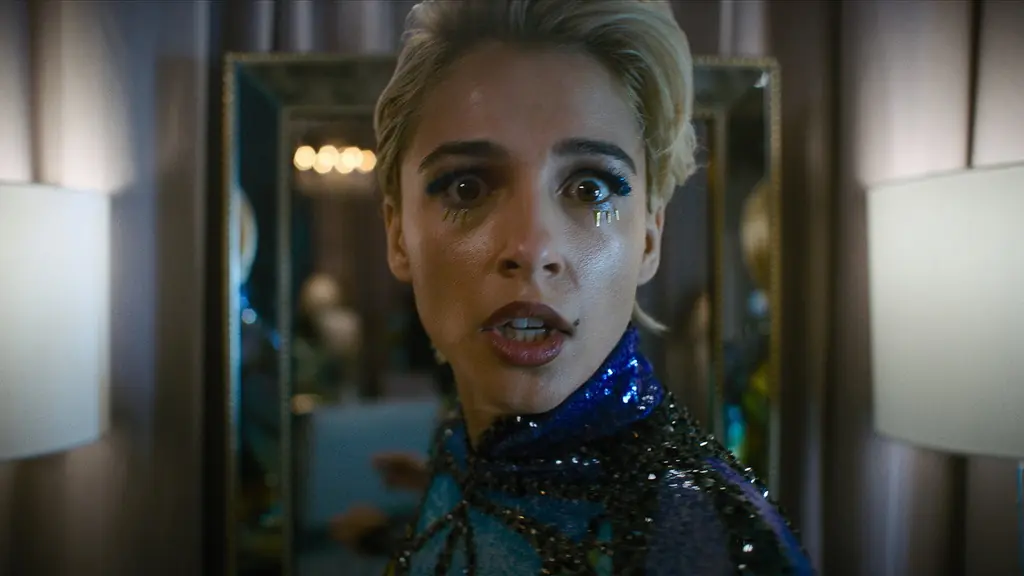
From the moment the curse latches onto her, Naomi Scott's performance anchors Smile 2. She doesn't just play a pop star; she embodies a woman slowly, terrifyingly losing her grip on reality. Her portrayal of psychological unraveling is nothing short of amazing, bringing a depth that feels beyond what the script might have initially intended. It's a masterclass in conveying creeping dread, making the audience feel every hallucination and every moment of doubt alongside her. This isn't just about a demon messing with someone; it's about watching a person's mind fracture, and Scott sells every agonizing step of that descent.
While the film does feature jump scares, a staple of the genre, Smile 2 attempts to do "fun things" with them. Sometimes, they land with a jarring effectiveness, playing on the audience's expectation of a sudden fright. However, there are instances where these scares feel forced, compromising the genuine psychological tension that Scott so expertly builds. The film shines brightest when it leans into the unsettling ambiguity of its protagonist's deteriorating mental state, rather than relying on cheap jolts.
Cameos, Nostalgia & Narrative Stakes
Smile 2 continues the established narrative of the demon's cycle, but it genuinely tries to bring something new to a plot that could easily feel cliché. The psychological horror elements are front and center, exploring the weight of trauma and the terrifying experience of losing one's sanity. This approach elevates the film beyond a simple monster flick, offering a more thoughtful, albeit disturbing, allegory.
However, the film struggles with its pacing, particularly in its final act. What begins as a compelling psychological thriller eventually "jumps the shark," feeling like an attempt to outdo not just the first film, but even itself. This leads to a bloated conclusion that could have been significantly trimmed. At around 2 hours and 10 minutes, the runtime feels excessive, with at least 40 minutes that could have been cut without sacrificing impact. The desire to escalate the stakes ultimately dilutes the tension, leaving the audience feeling that less would have been more.
Tone, Direction & Creative Freedom
Director Parker Finn clearly aims to elevate the horror genre, focusing on the psychological torment rather than just gore or jump scares. The film is largely presented from the protagonist's point of view, immersing the viewer in her terrifying experience. This directorial choice, combined with Naomi Scott's committed performance, creates moments of genuine unease and a sense of encroaching madness.
While the film isn't overtly "scary" in the traditional sense—a potential cardinal sin for a horror movie—it compensates with its intriguing psychological depth. The creative freedom to explore the mental breakdown of its lead character is evident, even if the execution of the final act suggests a struggle to maintain that focus amidst a desire for bigger, more bombastic scares. The film is at its best when it trusts its psychological premise and its lead actress to carry the weight of the horror.
The Final Verdict
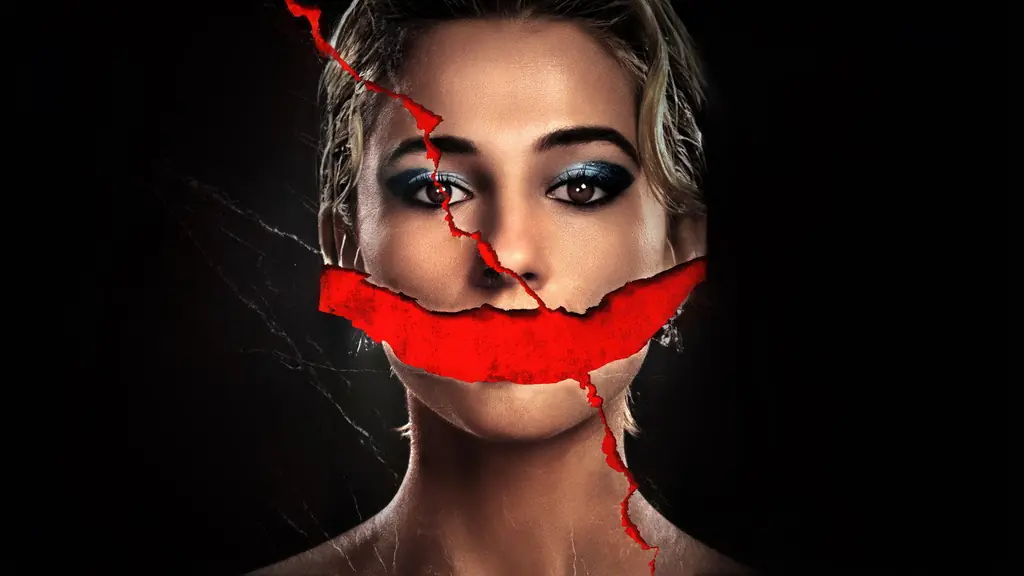
Smile 2 is a surprisingly enjoyable entry into the horror landscape, largely thanks to Naomi Scott's phenomenal performance as a pop star battling an insidious curse. While it might not deliver traditional scares, its commitment to psychological horror and the unsettling portrayal of a mind unraveling are genuinely compelling. However, the film's overlong runtime and a final act that loses its way prevent it from reaching its full potential. Despite these flaws, it's a good time for those who appreciate character-driven terror and a fresh take on demonic possession, even if it could have benefited from a tighter edit.
What Worked
- Naomi Scott's phenomenal and committed performance.
- Engaging psychological horror elements that explore mental unraveling.
- Creative approach to the demon's torment and curse cycle.
- Attempts to elevate the horror genre beyond simple scares.
What Didn't Work
- Bloated and "jumped the shark" final act.
- Excessive runtime of over 2 hours, could be significantly shorter.
- Not genuinely scary for a horror film.
- Some jump scares feel forced and compromise tension.