Introduction
The anticipation for Speak No Evil was palpable, especially as a remake of a lauded Danish film. Audiences were primed for a fresh take on psychological dread, a vacation gone horribly wrong. The premise is simple yet effective: two families, one on holiday, the other seemingly friendly, cross paths, leading to an ill-advised invitation to a remote home. From the outset, the film promises a slow burn into discomfort, a promise it largely keeps, at least initially. However, a significant hurdle for many viewers might be the trailers themselves, which, as some have noted, reveal far too much, essentially offering a condensed version of the entire narrative. It’s a frustrating trend that can diminish the impact of even the most carefully crafted thrillers.
The Lead Dynamic & The Action
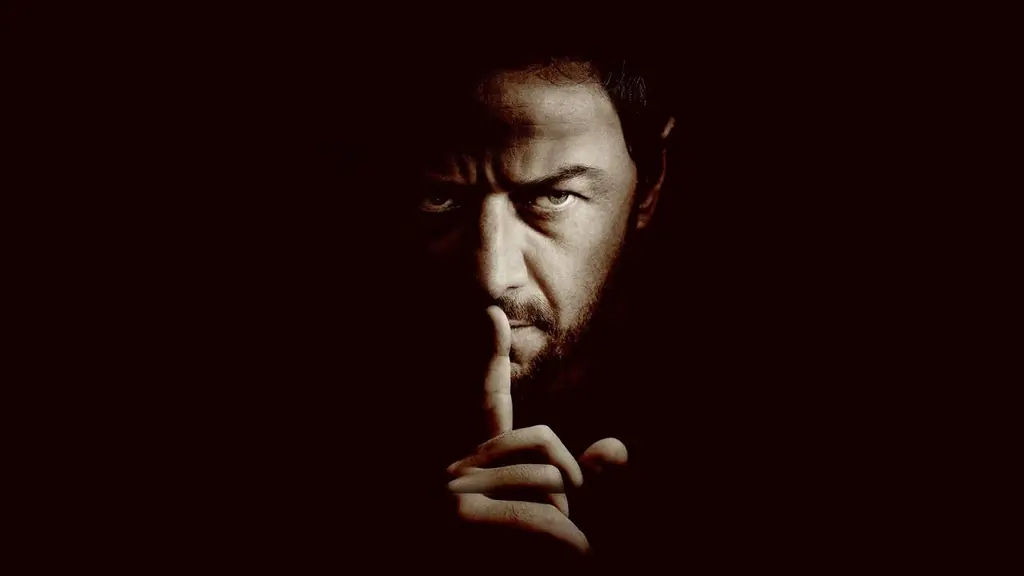
At the heart of Speak No Evil's unsettling atmosphere is the magnetic, yet terrifying, performance of James McAvoy. His portrayal of the seemingly affable, yet deeply disturbed, host is nothing short of brilliant. McAvoy excels at creating a passive-aggressive intensity, making every interaction feel laced with unspoken menace. He has an uncanny ability to make audiences feel profoundly uneasy, a quality that anchors the film's early tension. His character consistently has an excuse for every bizarre behavior, painting him as a master manipulator. This "McAvoy show," as it's been dubbed, is a significant draw, ensuring that every moment he's on screen is captivating, even when the surrounding narrative falters. The dynamic between the two families is built on this escalating discomfort, with the visiting couple slowly realizing the true nature of their hosts.
Cameos, Nostalgia & Narrative Stakes
While the performances are commendable, the narrative stakes often feel undermined by a series of baffling character decisions. Scoot McNairy, playing the visiting husband, delivers a strong performance, as does Mackenzie Davis as his wife. In fact, the entire cast does a good job with their roles. However, the writing for their characters, particularly the husband, leaves much to be desired. He comes across as unlikable and consistently makes excuses for the hosts, even when his family's safety is clearly at risk. Moments like his failure to intervene when McAvoy's character tries to force-feed his vegetarian wife chicken, or his general complacency regarding his daughter's well-being, make him incredibly frustrating to watch. The film asks the audience to suspend disbelief to an extreme degree, with characters making choices so illogical that it can pull viewers out of the experience. The reviewer notes that audiences are "smarter than the characters in this movie," highlighting the exasperation felt as the protagonists repeatedly miss obvious "outs."
Tone, Direction & Creative Freedom
James Watkins directs Speak No Evil as a deliberate slow burn, effectively drawing the audience into a state of anxiety and tension. The film excels at creating an atmosphere of dread, making viewers feel the discomfort of the situation alongside the characters. However, this carefully constructed tension often dissipates as the characters' actions become increasingly nonsensical. The film's commitment to its unsettling tone is admirable, but the sheer illogic of the protagonists' choices eventually leads to a disconnect. By the final act, the reviewer observed audience members laughing at the husband's ineptitude, a reaction entirely at odds with the intended horror. This shift from dread to unintentional comedy underscores how much the film struggles to maintain its grip once the characters' "dumb" decisions become too frequent and egregious. The movie will lose you, not because it's bad, but because the characters make choices that no rational person would.
The Final Verdict
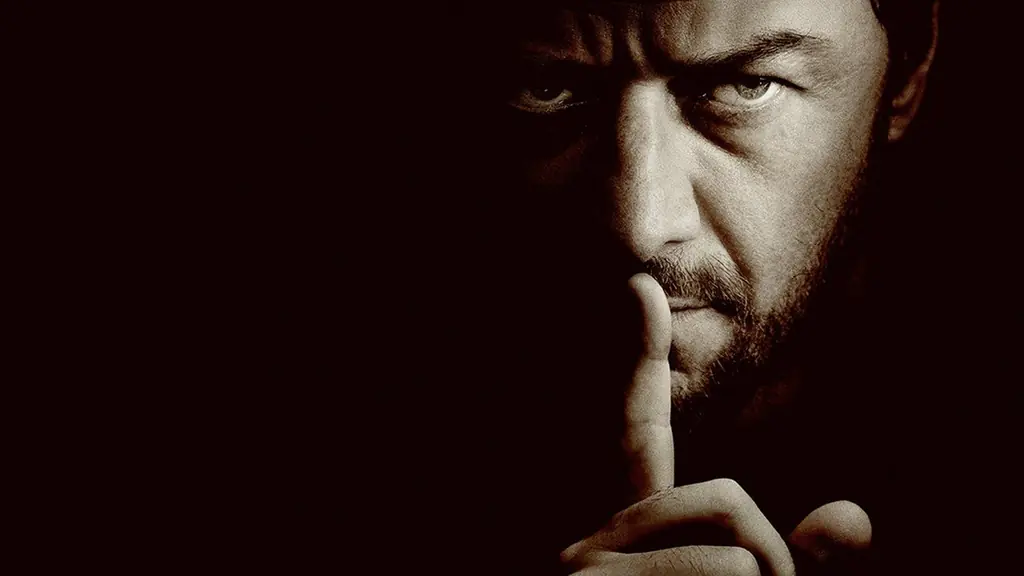
Speak No Evil is a film that rides almost entirely on the back of James McAvoy's phenomenal performance. He delivers a chilling, nuanced portrayal that makes every scene he's in crackle with uneasy energy. While the film successfully builds an initial sense of dread and psychological tension, it ultimately stumbles over its own characters' baffling lack of self-preservation. The constant stream of illogical decisions, particularly from the husband, transforms what could have been a truly terrifying experience into one that often elicits groans of frustration, and even laughter, rather than fear. Despite these significant flaws, if you can overlook the protagonists' questionable choices and simply revel in McAvoy's unsettling brilliance, there's still a "pretty good time" to be had. It's a film that promises a lot of anxiety and delivers some, but demands a high tolerance for character stupidity.
What Worked
- [[person:5530|James McAvoy]]'s intensely unsettling and brilliant performance
- Effective at building initial anxiety and psychological tension
- Strong acting across the board despite character flaws
- A genuinely uneasy and disturbing atmosphere
What Didn't Work
- Frustratingly illogical character decisions by the protagonists
- Trailers reveal far too much of the plot, spoiling key moments
- The husband's character is unlikable and consistently ineffective
- Audience disengagement due to character stupidity in later acts