Introduction
From the moment the trailer for Tarot hit screens, a sense of generic predictability loomed large. Audiences braced themselves for another by-the-numbers horror flick, and unfortunately, those initial instincts proved eerily accurate. This 2024 release, despite a year that has offered some surprisingly strong horror entries, falls squarely into the "not that" category. The premise is simple, almost to a fault: a group of college students at an Airbnb stumble upon a locked room, find a deck of cursed tarot cards, perform a reading, and then face their demise in the exact ways foretold. It's a setup so clichéd, it practically begs the question: is this a secret prequel to "Cabin in the Woods" or just a film that missed the point entirely?
The Lead Dynamic & The Action
The film struggles immensely with character development, leaving viewers with no reason to invest in the fates of its young cast, including Harriet Slater, Wolfgang Novogratz, and Adain Bradley. There's no real setup, no moments for the audience to connect with these individuals before the horror begins. They're simply "at an Airbnb," then "hey, locked door," then "hey, tarot reading." This lack of foundation means that when the characters start dying, there are no emotional stakes. The kills themselves are far from satisfying, lacking the creativity or impact needed to elevate the tension. Even attempts at humor fall flat, with no discernible comedic timing to land any jokes. The acting, whether it leans towards over-the-top or underplayed, consistently misses the mark, leaving the audience disengaged.
Cameos, Nostalgia & Narrative Stakes
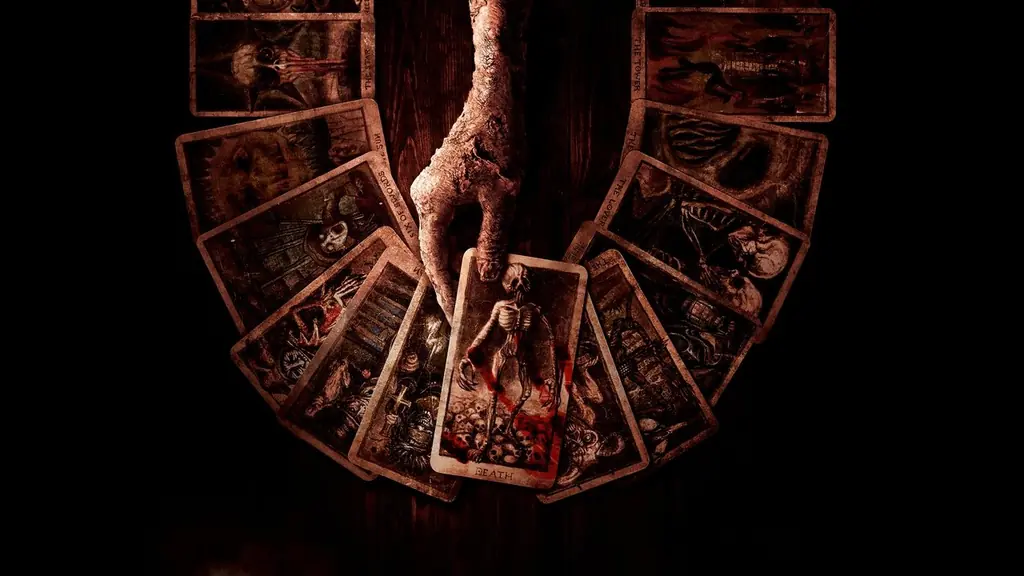
Tarot quickly devolves into what feels like a "Dollar Store Final Destination." While that franchise offered a clear, understandable sequence of deaths, this film attempts to convey complex "double meanings" involving multiple tarot cards and their interpretations for each character. It's an overwhelming amount of information that the audience simply cannot retain. The film seems to acknowledge this, often resorting to jumbled audio b-roll during chase scenes, as if to distract from the convoluted explanations. This approach not only undermines any potential for cleverness but also highlights the film's fundamental flaw: it fails to establish any real stakes or emotional connection, making the characters' demises feel utterly inconsequential.
Tone, Direction & Creative Freedom
Under the direction of Spenser Cohen, the film struggles to find a consistent tone or creative spark. Much of Tarot plays out like cinematic "white noise"—the kind of background distraction at a party where no one is truly paying attention. The sound design, particularly the repetitive "making that sound" during jump scares, feels uninspired and often detracts from any potential creepiness. While the majority of the film is a forgettable slog, there are a couple of fleeting moments in the final act, particularly those involving the magician character, that hint at what the movie could have been. These brief flashes of competence, however, are too little, too late to salvage the overall experience.
The Final Verdict
Tarot is a film that struggles to justify its own existence. It's the kind of movie that auto-plays after something else ends, a last-ditch effort by an algorithm to keep you watching. With its generic plot, underdeveloped characters, and lack of genuine scares, it fails to deliver on even the most basic promises of a horror film. Save your time and seek out horror that actually demands your attention; this one is best left unread.
What Worked
- The core concept of tarot cards dictating deaths holds initial intrigue.
- A few engaging moments involving the magician character in the final act.
- Clear, if uninspired, narrative progression.
What Didn't Work
- Generic and clichéd plot with no original twists.
- Lack of character development, making it impossible to care about the protagonists.
- Unsatisfying kills and flat, poorly timed humor.
- Overly complicated and forgettable death explanations for the tarot readings.