A Gritty Ride Through Outlaw Country
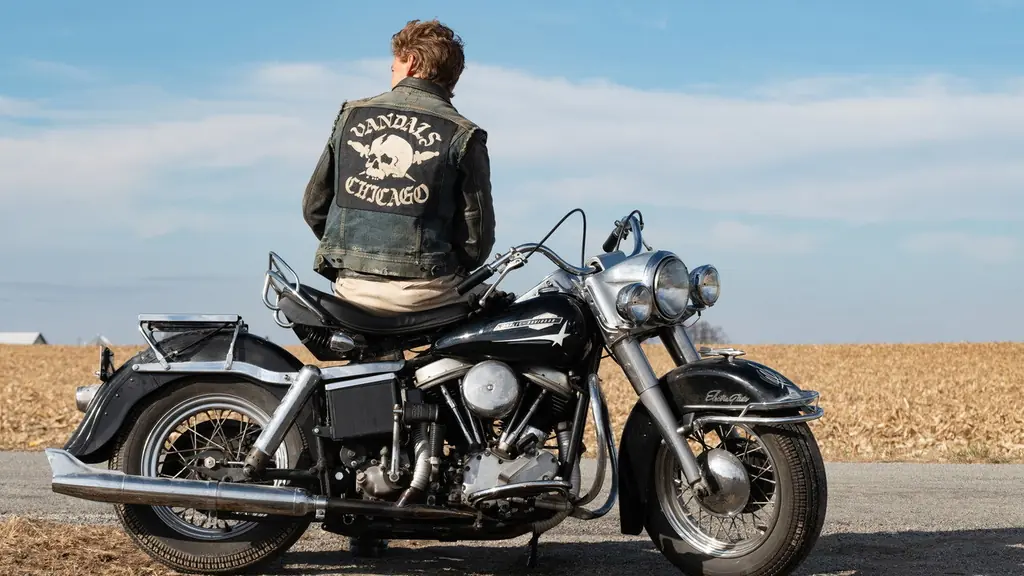
The roar of engines, the glint of chrome, and the raw camaraderie of the open road—these are the promises that The Bikeriders dangles before its audience. Based on a seminal photo journal from the 1960s and early 70s, this film plunges viewers into the heart of a burgeoning Midwestern motorcycle club. Anticipation has been high for Jeff Nichols's latest, especially with a cast that promises to deliver a visceral, authentic experience. Does it live up to the hype? For those with a love for the culture, it certainly offers a compelling journey.
The Lead Dynamic & The Action
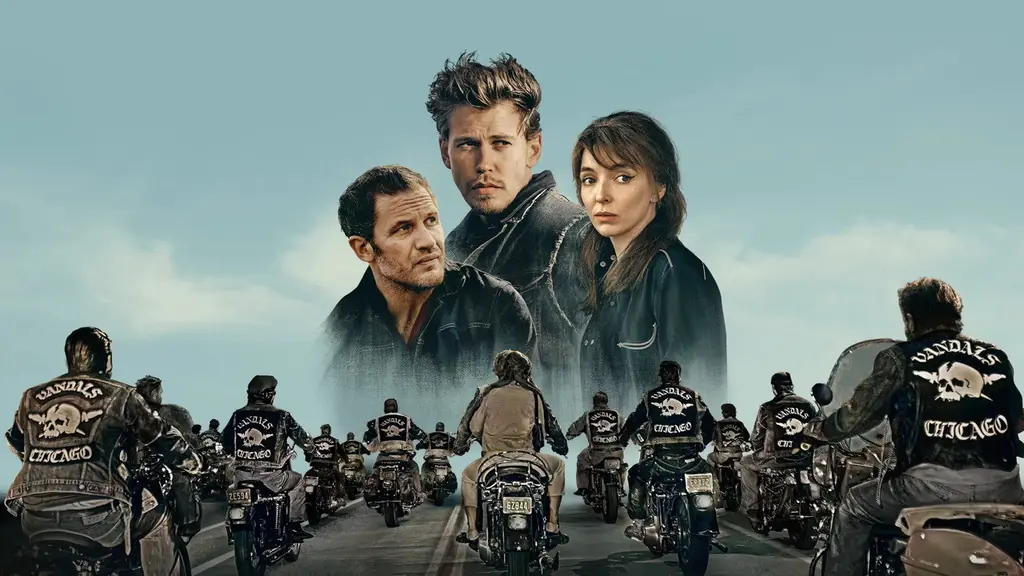
At its core, The Bikeriders is a complex "love triangle," though not in the way one might expect. It's the romance between the fiery Kathy (Jodie Comer) and the enigmatic Benny (Austin Butler), intertwined with Benny's unwavering devotion to the Vandals motorcycle club, personified by its stoic founder, Johnny (Tom Hardy). Jodie Comer shines as the audience's entry point, an outsider drawn into this dangerous world, whose growing understanding of the club's allure mirrors our own. Her performance grounds the narrative, making the wild ride relatable.
Austin Butler, with his now-signature smolder and emotionally closed-off demeanor, perfectly embodies Benny, a man whose true freedom is found on two wheels. And then there's Tom Hardy, delivering yet another distinct American accent, portraying Johnny with a sympathetic complexity that makes even his more hardcore actions understandable. The performances across the board are solid, elevating the material.
Crucially, Jeff Nichols understands that a film about bikers demands an auditory experience. The sound design here is nothing short of phenomenal. It doesn't just play the sounds of engines; it makes you feel the rumble, the power, and the very soul of the machines. This immersive quality is a major highlight, pulling you deeper into the world of the Vandals.
Cameos, Nostalgia & Narrative Stakes
As the Vandals club expands, it inevitably changes, bringing in "douchier personalities" and threatening the purity of its origins. This evolution forms the backbone of the film's narrative, exploring the tension between idealism and the harsh realities of growth. However, the film struggles with its sense of time. While the story spans years, the pacing often makes it feel like mere months, leaving viewers occasionally lost as to the actual passage of time. This can make the plot's central "point" feel hidden, as if the journey itself is more important than any specific destination—a deliberate choice perhaps, mirroring the biker ethos, but one that can frustrate some.
There are also moments where "guest appearances," such as Norman Reedus, feel less like integral characters and more like brief, distracting cameos, pulling focus rather than enhancing the narrative.
Tone, Direction & Creative Freedom
Jeff Nichols steers The Bikeriders away from being a mere action flick. This is not a film using motorcycles as props for explosions and chases. Instead, it makes an earnest attempt to offer a grounded, authentic peek behind the curtain of motorcycle culture. It's a character study wrapped in leather and chrome, focusing on the human element within this specific subculture.
The direction prioritizes atmosphere and character over conventional plot beats, which will resonate deeply with those who have an existing love or even just a curiosity for motorcycle culture. For others, this deliberate pacing and focus might feel less engaging, highlighting that this film is crafted with a specific audience in mind.
The Final Verdict
The Bikeriders is a compelling, if occasionally messy, dive into the world of 1960s and 70s outlaw motorcycle clubs. Its strengths lie in its magnetic performances, particularly from Jodie Comer, Austin Butler, and Tom Hardy, and its truly exceptional sound design that makes the bikes a character in themselves. While its narrative can sometimes meander and its sense of time can be elusive, the film offers a rich, authentic experience for those drawn to its subject matter. It's a film that celebrates the freedom of the ride and the complex bonds forged on the open road, making for a good time that requires no alcohol to enjoy.
What Worked
- Phenomenal lead performances from Jodie Comer, Austin Butler, and Tom Hardy.
- Visceral, immersive sound design that captures the essence of motorcycle riding.
- Grounded and authentic portrayal of 1960s-70s outlaw biker culture.
- Complex and sympathetic character arc for the club's founder.
- A unique perspective on love, loyalty, and freedom within a subculture.
What Didn't Work
- Muddled sense of time passage, making the narrative feel disjointed.
- The film's central message or "point" can feel obscured at times.
- Some "guest appearances" feel more like distracting cameos.
- Limited appeal for viewers without an existing interest in motorcycle culture.