Introduction
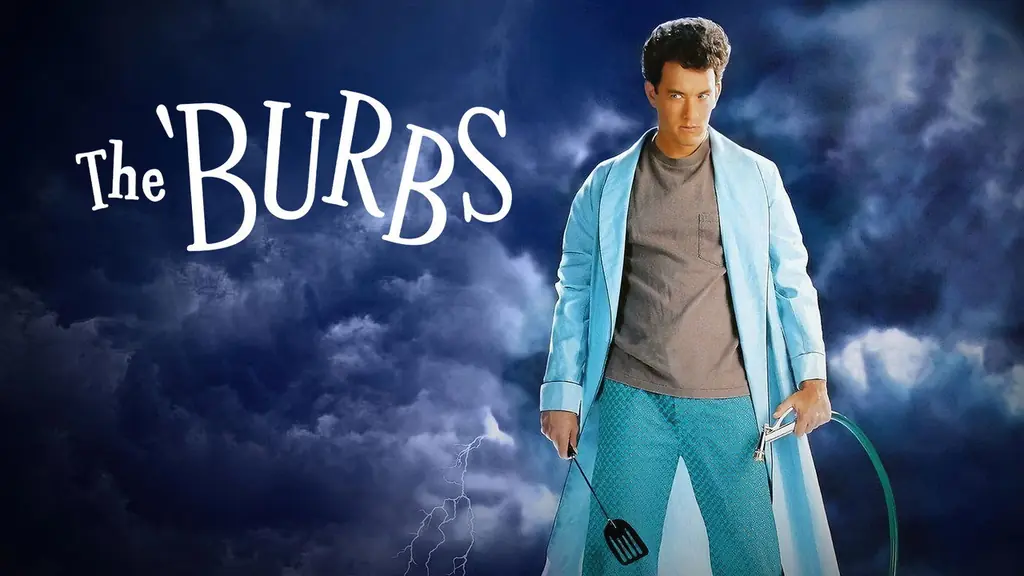
When the question arises about a film that's more fun than scary, one title consistently springs to mind: The 'Burbs. This 1989 Joe Dante cult classic is a dark comedy that defies easy categorization, yet somehow manages to blend its disparate elements into a cohesive, uproarious whole. Despite its enduring popularity and critical reappraisal by audiences, it famously holds a "rotten" score on Rotten Tomatoes—a baffling anomaly that feels as inexplicable as the internet's great dress debate.
The Lead Dynamic & The Action
At the heart of this suburban chaos is Tom Hanks as Ray Peterson, a man on a staycation who finds himself increasingly consumed by the mysterious new neighbors. His descent into paranoia is brilliantly amplified by his friends: the gung-ho, ex-military Rumsfield, played by the inimitable Bruce Dern, and the pot-stirring Art Weingartner, brought to life by Rick Ducommun. The chemistry among these three is electric, with Rick Ducommun's character being particularly central, constantly fanning the flames of suspicion. Bruce Dern reportedly ad-libbed many of his lines, adding an unhinged hilarity that makes him the funniest presence on screen.
Balancing this male-driven madness is Carrie Fisher as Carol Peterson, the lone voice of sanity. Her attempts to bring civility to the neighborhood's escalating paranoia—suggesting friendly chats and brownies while the husbands are plotting with night-vision scopes—provide a hilarious, relatable commentary on marital dynamics. The film expertly weaves slapstick elements into its dark comedic fabric, creating a unique tone where genres never clash but rather complement each other, much like a classic comedian's take on husband-wife differences.
Cameos, Nostalgia & Narrative Stakes
The 'Burbs serves as a sharp allegory for suburban life, where neighbors are notorious for meddling. The film captures this perfectly, with adults whispering and theorizing about the strange Klopek family, while the youth, personified by Corey Feldman's Ricky Butler, simply watches the spectacle unfold for entertainment. The casting of the Klopeks themselves is inspired; Henry Gibson as Dr. Klopek is unassuming rather than overtly scary, which keeps the audience guessing alongside the characters. This deliberate choice by Joe Dante ensures that the mystery remains potent, preventing viewers from prematurely siding with the paranoid neighbors.
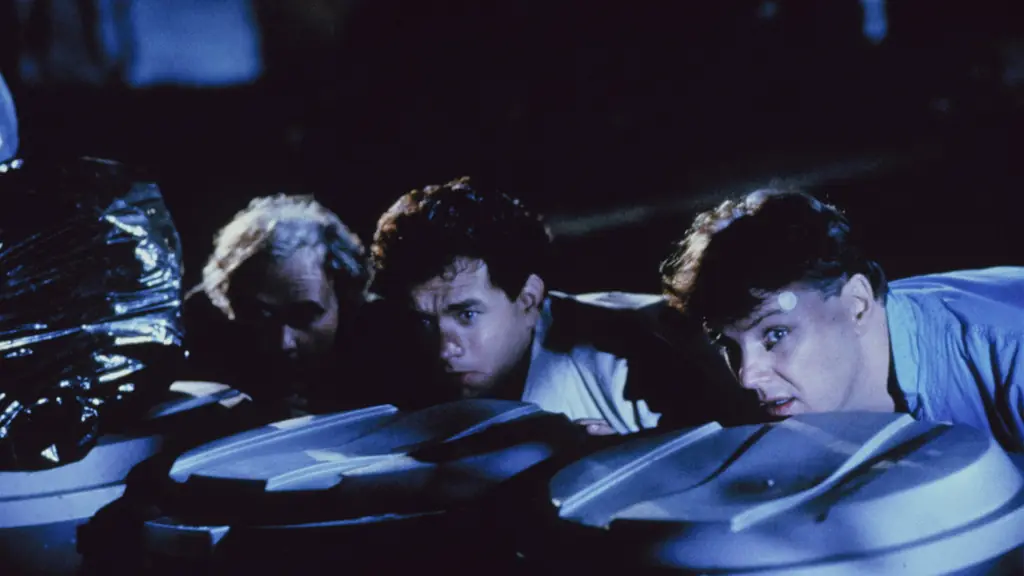
The film also features memorable brief roles, including Dick Miller and Robert Picardo as the garbage men, who manage to steal their scenes with understated charm. A standout detail is the film's commitment to continuity: garbage spilled from their truck remains on the street for the rest of the movie, a small but significant touch that makes the world feel lived-in and authentic.
Tone, Direction & Creative Freedom
Joe Dante's directorial vision is unmistakable, blending horror, comedy, and thriller elements with a seamless fluidity that few filmmakers achieve. The film's tone is masterfully guided by Jerry Goldsmith's score, a collaboration that consistently produces cinematic gold. Goldsmith's music is a character in itself, shifting from light and whimsical during the setup to an ominous organ when the Klopeks appear, subtly manipulating the audience's emotions. It's impossible to imagine The 'Burbs without Goldsmith's genius, much like trying to picture Home Alone without John Williams.
This unique blend of genres and tones is a hallmark of 80s Joe Dante films, a style that feels increasingly rare today. The film explores themes of paranoia and meddling, acting as a "Black Mirror" on suburbia, effectively critiquing societal tendencies through a darkly comedic lens.
The Final Verdict
While some might call The 'Burbs a classic, and others a cult classic, it's simply "awesome-tacular." The film's ending, where the Klopeks are indeed revealed to be killers, provides a satisfying, albeit somewhat neat, resolution. This conclusion, while delivering on the audience's rooting interest for Ray, does slightly undercut an otherwise profound monologue by Tom Hanks about not judging a book by its cover. However, in terms of comedic payoff, it ties everything up in a bow.
Intriguingly, a fan theory posits that Art Weingartner could be the true serial killer, given his early attempts to harm animals and his extensive knowledge of local serial killer lore. This theory, while speculative, adds another layer of dark humor and rewatchability to an already beloved film. The 'Burbs is a testament to the enduring power of well-crafted dark comedy and a must-watch for anyone seeking a fun, engaging, and subtly insightful cinematic experience.
What Worked
- Exceptional cast chemistry, especially between Tom Hanks, Bruce Dern, and Rick Ducommun.
- Sharp, satirical allegory on suburban paranoia and meddling neighbors.
- Masterful blending of dark comedy, slapstick, and thriller elements.
- Jerry Goldsmith's iconic score perfectly sets the film's unique tone.
- Attention to detail, like the continuous presence of spilled garbage, enhances realism.
What Didn't Work
- The definitive ending, while comedic, slightly undermines a profound monologue about prejudice.
- Some might find the blend of slapstick and dark themes jarring at times.