Introduction
The anticipation for a new take on The Crow has been palpable, with fans eager to see how a modern vision would reinterpret the beloved graphic novel and its iconic 1994 film adaptation. This 2024 remake, directed by Rupert Sanders, arrives amidst a debate: is it a true remake, or a fresh retelling of James O'Barr's dark tale? Regardless of its classification, the film attempts to carve its own path, introducing a new generation to the tragic romance of Eric Draven and Shelly Webster.
The Lead Dynamic & The Action
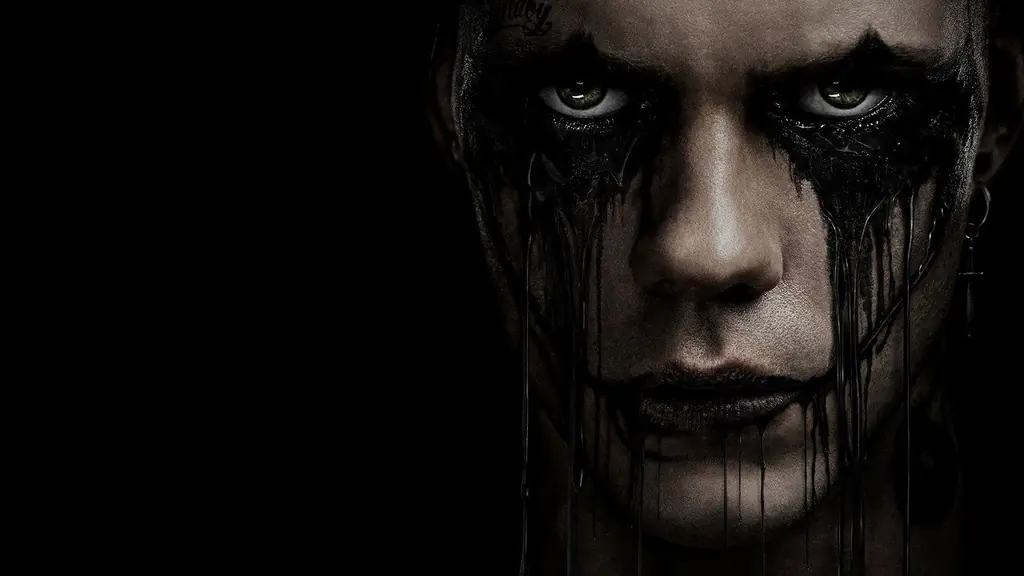
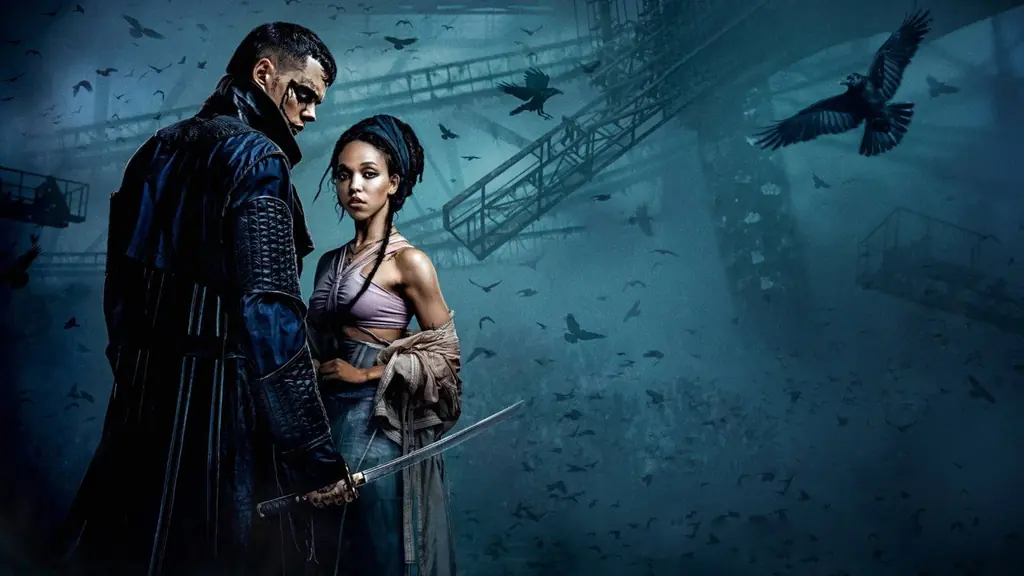
This iteration introduces Eric, played by Bill Skarsgård, and Shelly, portrayed by FKA twigs, as a couple who meet in rehab before embarking on a hedonistic spree that tragically ends their lives. While the film dedicates time to their initial connection, their dynamic often feels underdeveloped, leaving audiences to wonder about the depth of their "true love" rather than truly feeling it. Eric's transformation into the avenging spirit is also a departure from the original. Instead of a swift, determined resurrection, this Eric is an "uncertain young man" for much of the runtime, grappling with his newfound immortality and pain. He screams, he gets hurt, and his confidence as the Crow only truly emerges in the final act, making much of his journey feel like "wasted time" rather than a compelling character arc.
The action sequences, particularly in the film's latter half, deliver a "lot of violence," with a "couple fun action scenes" standing out. However, the protagonist's approach to vengeance is starkly different. Unlike the original Eric Draven, who offered his targets a chance to walk away, this version "just massacres folks and doesn't give a [__]," making him a less relatable or likable figure. The film's reliance on sheer brutality over nuanced character interaction leaves a hollow impression, especially when many of the low-level thugs Eric dispatches are indistinguishable.
Cameos, Nostalgia & Narrative Stakes
Where the original film used flashbacks to efficiently establish Eric and Shelly's past, this remake opts for a chronological approach, showing their lives before their demise. While this sounds like a good idea on paper, the execution falls flat, as the characters aren't compelling enough to sustain interest before their inevitable tragedy. The film also suffers from an impulse to "overexplain the lore," taking a beautifully simple premise – a crow bringing a soul back for vengeance – and burdening it with unnecessary complications. The main antagonist, played by the always reliable Danny Huston, "knows the assignment" and delivers a strong performance, yet his character is ultimately "dragged down" by convoluted additions to his backstory.
The core concept of love as the nucleus of The Crow is present, but it's wrapped in a new, convoluted mythology. Shelly's soul is supposedly being pulled to hell by the villain, an acolyte of the devil, and Eric's immortality is tied to his unwavering faith in their love. This "overcomplicate[s] a very simple concept," diluting the emotional impact of his quest. The narrative struggles with pacing, often "drags on," and culminates in an "unfulfilling" ending that leaves audiences questioning if it's a genuine conclusion or merely a setup for a sequel. The lack of distinct secondary villains further weakens the narrative stakes, as Eric dispatches foes who barely register as individuals.
Tone, Direction & Creative Freedom
The overall tone of this 2024 rendition feels like a film "adapted by someone who had never seen the crow or read the crow but had heard about the Crow from someone." It's been aptly described as "a crow movie wearing hockey pads," capturing the superficiality of its approach. While the original maintained a gothic, poetic spirit, this remake leans heavily into generic violence, missing the nuance and tragic beauty that defined its predecessor. The original Eric Draven was a character who loved life, capable of kindness and even humor, offering his enemies a chance to avoid his wrath. This new Eric is a blunt instrument, a "massacre[r]" who lacks the depth and relatability that made the original protagonist so compelling.
The direction by Rupert Sanders struggles to balance the film's various elements, resulting in a movie that feels disjointed and lacking a clear identity. The pacing issues are evident throughout, leading to a narrative that fails to deliver a satisfying "payoff" for its vengeance plot. Instead of a cathartic journey, audiences are left with a sense of emptiness, a feeling that the film has sacrificed thematic depth for surface-level brutality. It's a film that, despite its efforts, fails to capture the true "spirit of the crow," instead offering a more generic, albeit bloody, revenge fantasy.
The Final Verdict
Ultimately, the 2024 The Crow is a baffling and often frustrating experience. It attempts to modernize a classic but loses much of its soul in the process. While Danny Huston delivers a memorable villain and there are a few moments of kinetic action, these bright spots are overshadowed by an overcomplicated plot, uninspired character development, and a pervasive sense of missed opportunity. For those seeking a truly impactful vengeance story, or indeed, a faithful and spirited adaptation of The Crow, the recommendation remains simple: revisit the 1994 original. This new take, unfortunately, adds another entry to the list of forgettable sequels and remakes, leaving little lasting impression.
What Worked
- [[person:6413|Danny Huston]] delivers a standout performance as the primary antagonist.
- Features a couple of genuinely fun and engaging action sequences.
- The film attempts to explore new lore around Eric Draven's powers.
- The core theme of love and vengeance is present.
What Didn't Work
- Overly complicated lore detracts from the simple, powerful premise.
- Uninteresting lead characters, particularly Eric Draven's uncertain arc.
- Significant pacing issues and an unfulfilling ending.
- Many secondary villains are forgettable and indistinguishable, contributing to a lack of clear payoff.