Introduction
Anticipation swirled around The Exorcism, a film that initially promised a fresh take on a well-worn genre. With Russell Crowe once again donning the collar – or rather, playing an actor who does – audiences braced for a deep dive into the demonic. Adding another layer of intrigue, the film is helmed by Joshua John Miller, son of the very actor who played the young priest in the original "The Exorcist." This meta-narrative hinted at a clever, self-aware horror experience, setting the stage for something potentially special.
The Lead Dynamic & The Action
For its initial stretch, The Exorcism truly shines, largely thanks to its compelling lead dynamic. While Russell Crowe receives top billing as the troubled actor Anthony Miller, it's arguably Ryan Simpkins as his daughter, Lee, who carries the film's emotional weight. Much of the narrative unfolds through her eyes, grounding the escalating terror in a relatable family struggle. Crowe delivers a nuanced performance in these early stages, showcasing moments of genuine emotional depth that elevate the material. The film excels when it explores the psychological toll of trauma, blending the fight against external demons with the internal battles of its characters. This slow-burn approach, focusing on personal pain and past struggles, creates an engaging psychological thriller that draws viewers in.
Cameos, Nostalgia & Narrative Stakes
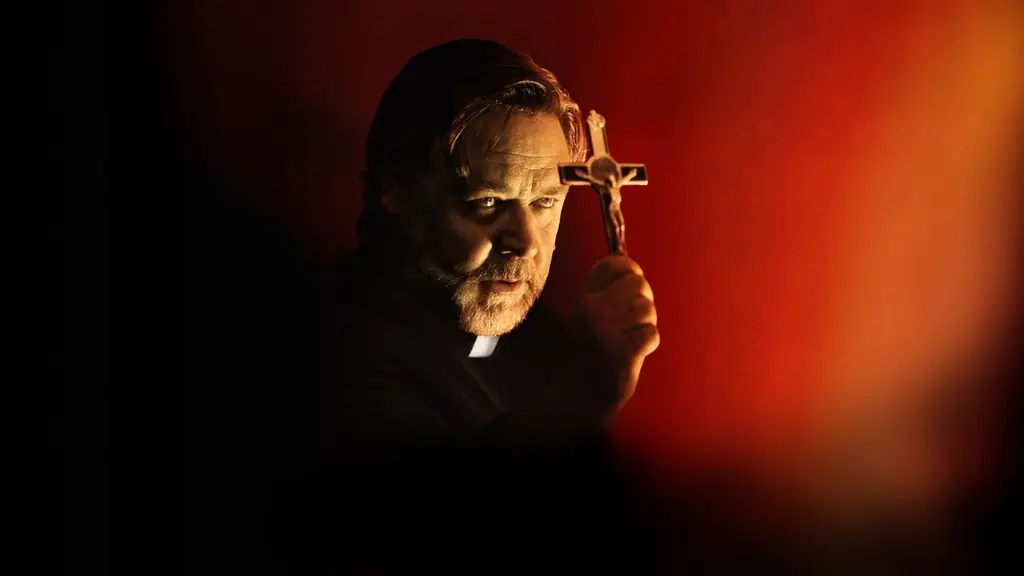
However, the film's promising start takes an unfortunate turn. What begins as an intriguing exploration of "fighting a demon and fighting your demons" eventually devolves into a generic possession narrative. The delicate balance between psychological horror and supernatural scares is lost, replaced by a string of familiar clichés. It feels as if the original, compelling script was abruptly cut short, with a more conventional, less inspired demon possession story stapled onto its latter half. This jarring shift undermines any narrative stakes built in the first two acts, leaving the audience with a sense of disappointment rather than dread.
Tone, Direction & Creative Freedom
The tonal whiplash suggests a struggle for creative freedom. The initial direction by Joshua John Miller crafts a thoughtful, slow-burn atmosphere, hinting at a film that understands its genre while striving for something more profound. Yet, the abrupt pivot to a by-the-numbers demonic possession feels less like an artistic choice and more like a studio mandate. The final act, including the titular exorcism scene, is surprisingly boring and anticlimactic, failing to deliver on the tension and investment cultivated earlier. The film simply "Stonewall ends," leaving a lingering feeling of unfulfilled potential.
The Final Verdict
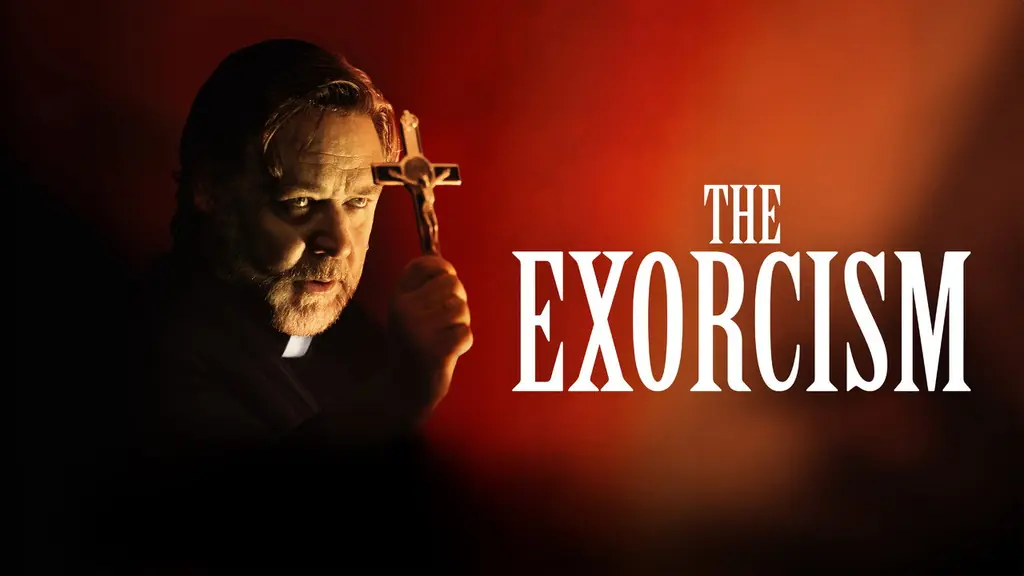
The Exorcism is a frustrating watch, a film that starts with genuine promise only to squander it in its final act. What could have been a memorable psychological horror, rich with meta-commentary and emotional depth, ultimately collapses into a forgettable, cliché-ridden possession flick. It's a prime example of how a strong beginning can be tainted by a weak finish, leaving audiences feeling like their time was largely wasted. Despite strong early performances from Russell Crowe and Ryan Simpkins, the film's inability to stick the landing makes it difficult to recommend.
What Worked
- Strong initial psychological thriller elements.
- [[person:934|Russell Crowe]]'s engaging performance in the first half.
- [[person:35027|Ryan Simpkins]]' central and impactful role.
- Exploration of personal trauma alongside demonic possession.
What Didn't Work
- Abrupt shift to generic demon possession clichés.
- Boring and anticlimactic exorcism scene.
- Perceived studio interference ruining the narrative.
- Leaves a feeling of wasted potential and forgettability.