Introduction
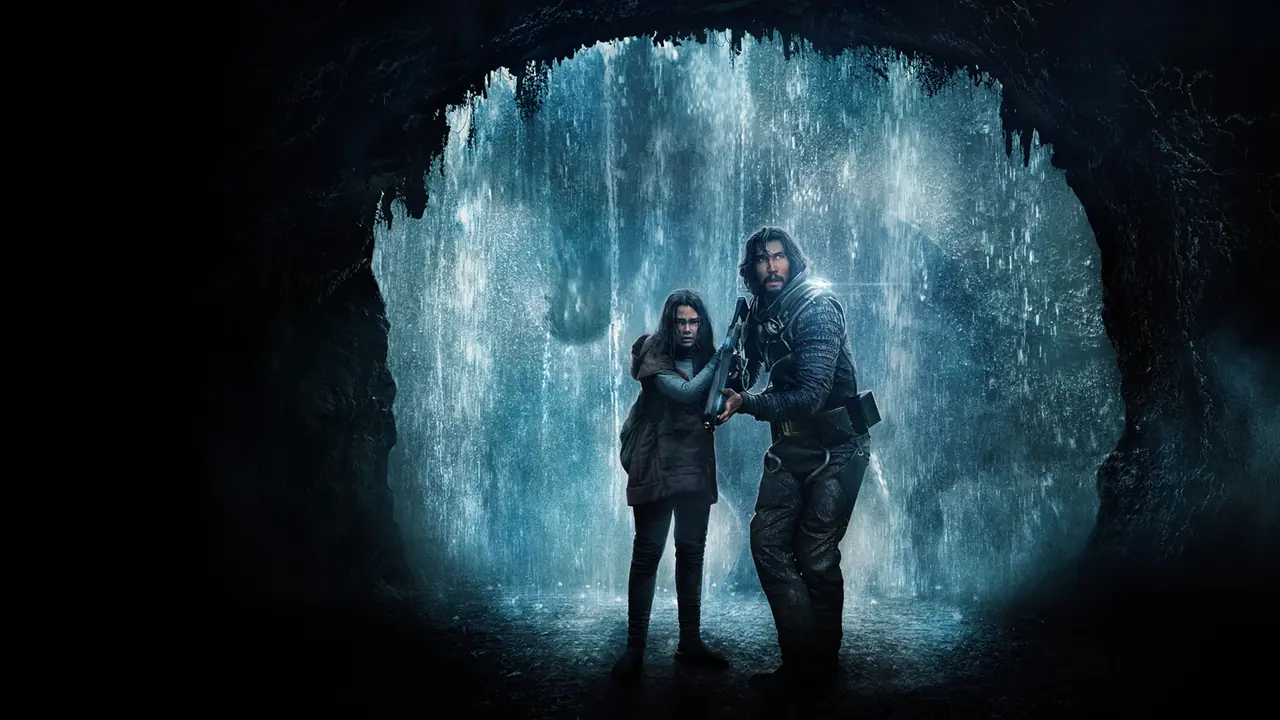
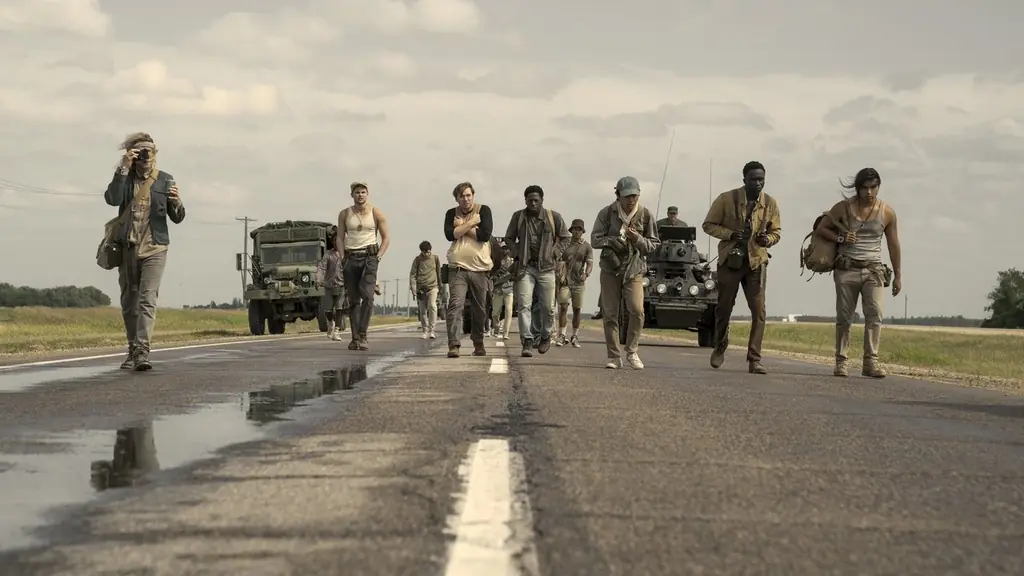
The anticipation for The Long Walk has been palpable, bringing to the screen one of Stephen King's earliest and most chilling visions. This adaptation, based on the first story King ever wrote (though not the first published, appearing under his Richard Bachman pseudonym), plunges viewers into a dystopian post-Civil War America. Here, an annual lottery selects young men for a brutal, televised endurance contest: the Long Walk. The rules are stark and simple: keep walking, or face execution. Only one survivor emerges, granted a fortune and a single wish. It's a premise that immediately draws comparisons to other survival thrillers, especially given that director Francis Lawrence, known for his work on the "Hunger Games" franchise, helms this grim journey.
The Lead Dynamic & The Action
At the heart of The Long Walk is the evolving dynamic between Cooper Hoffman's character, Raymond, and his unexpected bond with Peter, played by David Jonsson. While Raymond initially falls in with a group dubbed "the musketeers," it's his connection with Peter that forms the emotional core, creating a compelling friendship in a game where "there can be only one." The film populates its grueling march with a classic Stephen King ensemble, featuring every archetype from antagonists and big personalities to the nerdy and the misunderstood. The narrative doesn't shy away from the grim realities of constant walking, even addressing the mundane yet critical detail of how characters manage basic bodily functions. When the inevitable happens, the film's graphic depiction of executions is genuinely unsettling, driven home by strong performances that convey the sheer peril and desperation of the situation.

Cameos, Nostalgia & Narrative Stakes
The film features Mark Hamill as the Major, a role that feels like an intermittent, "easy money" appearance, with his character popping up every twenty minutes or so to deliver a few lines before disappearing. While some characters are clearly designed as "fodder for the bullets," others benefit from a degree of plot armor, allowing for deeper character exploration. The Long Walk delves into philosophical debates, questioning the nature of choice when the annual walk is presented as the only escape from societal despair. It's a televised event meant to inspire work ethic and productivity, yet the film subtly unpacks the illusion of free will. A minor, yet noticeable, oversight is the lack of explanation for why many participants appear to have "skipped leg day," given the annual nature of the event and the potential for specialized training.
Tone, Direction & Creative Freedom
Francis Lawrence's direction ensures The Long Walk wastes no time. The film quickly establishes its premise with concise on-screen text, immediately dropping the audience into the walk. The title card itself appears only after the first participant is executed, a bold choice that signals the film's no-nonsense approach. The world presented is undeniably gloomy, and the constant peril feels acutely real, locking the audience into the characters' desperate journey. The movie excels at filling in necessary details efficiently, then getting straight to the heart of the action and character interactions.
The Final Verdict
The Long Walk delivers a highly entertaining and gripping journey, rich with relatable characters and engaging banter forged in the crucible of extreme duress. While the ending might not provide the most fulfilling resolution, the experience of the walk itself is thoroughly captivating. It's a character story first and foremost, where the conversations and evolving relationships among the walkers are as compelling as the ever-present threat of execution. This film offers a dark, philosophical thriller that will resonate deeply with those who appreciate a story where the journey, however brutal, is the true reward.
What Worked
- Simple, tight premise and execution
- Compelling lead dynamic and character development
- Unsettling, graphic depiction of peril
- Gets straight to the action without wasting time
- Engaging philosophical debates
What Didn't Work
- Ending feels less fulfilling
- Mark Hamill's role feels like "easy money"
- Unaddressed plot points (e.g., training for the walk)
- Some characters feel like "fodder"