Introduction
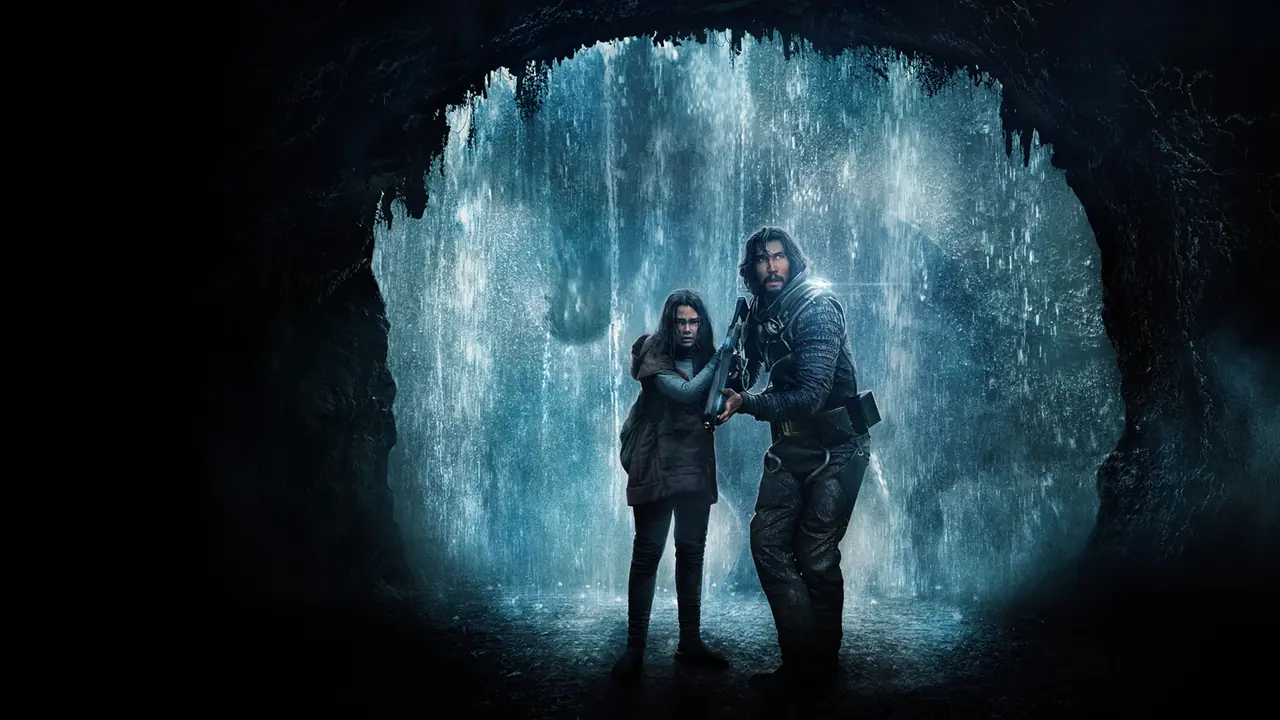
The anticipation for Edgar Wright to tackle Stephen King's dystopian classic, The Running Man, was palpable. With promises of a more faithful adaptation to the source material than its 80s predecessor, audiences geared up for a fresh, intense take on a man on the run from a deadly game show. The stage was set for Wright's distinctive style to breathe new life into a familiar, yet chilling, premise.
The Lead Dynamic & The Action
At the heart of this new vision is Glen Powell as Ben Richards, a down-on-his-luck husband and father desperate to save his sick daughter. Powell delivers, proving his mettle as a likable, yet smarmy and damaged, lead. He carries the film's emotional weight, making his desperate plight feel genuinely urgent. While the narrative largely follows Richards' perspective, the film truly sparks when Josh Brolin as Killian, the owner of the deadly game, and Colman Domingo as the eccentric host, grace the screen. Domingo, in particular, brings a captivating, madman charm that almost steals the show, despite limited screen time. The action, though present and at times entertaining, often feels unmemorable, lacking the punch one expects from a high-stakes chase.

Cameos, Nostalgia & Narrative Stakes
Wright's The Running Man aims for a closer alignment with King's novel, depicting a world where Richards must survive 30 days in the open, hunted by everyone with a phone and a social media account. This modern twist on media manipulation, however, feels surprisingly dated. The themes of a super media corporation fabricating lies and controlling the masses, while relevant, have been explored so extensively in cinema that they now feel like well-trodden ground. This, coupled with significant pacing issues, makes the film drag. Clocking in half an hour longer than the 1987 version, this adaptation paradoxically feels even longer, leaving viewers with restless legs and a sense of déjà vu.
Tone, Direction & Creative Freedom
Perhaps the most surprising misstep for an Edgar Wright film is its struggle with tonal consistency. Wright is renowned for his masterful blend of humor, action, and drama, yet here, these elements clash rather than coalesce. Moments of humor feel out of place, and some character deaths elicit neither laughter nor genuine emotion, leaving a conflicting impression. Certain characters veer into cartoonish territory, jarringly out of sync with the film's otherwise grounded, dystopian aesthetic. Furthermore, the sound design, particularly for gunshots and explosions, lacks impact, diminishing the visceral thrill of the action. It's a rare instance where Wright's signature touch feels absent, resulting in a film that, for many, will likely be his least memorable.
The Final Verdict
The Running Man arrives with the promise of a faithful, modern adaptation, but ultimately struggles to justify its existence. While Glen Powell delivers a strong performance and the supporting cast offers flashes of brilliance, the film is plagued by a meandering pace, dated themes, and a surprising lack of tonal cohesion from a director usually so adept at balancing these elements. It's an entertaining watch in parts, but one that quickly fades from memory, feeling more like a "Dollar Store Minority Report" than a standout dystopian thriller.
What Worked
- Glen Powell delivers a compelling performance as Ben Richards.
- Josh Brolin and Colman Domingo shine in their supporting roles.
- The action sequences provide moments of entertainment.
- A more faithful adaptation of Stephen King's novel.
What Didn't Work
- Significant pacing issues make the film feel overly long.
- Tonal inconsistencies between humor, action, and drama.
- Themes of media manipulation feel dated and overdone.
- Lackluster sound design diminishes impact of action scenes.
- Some characters feel cartoonish and out of place.