Introduction
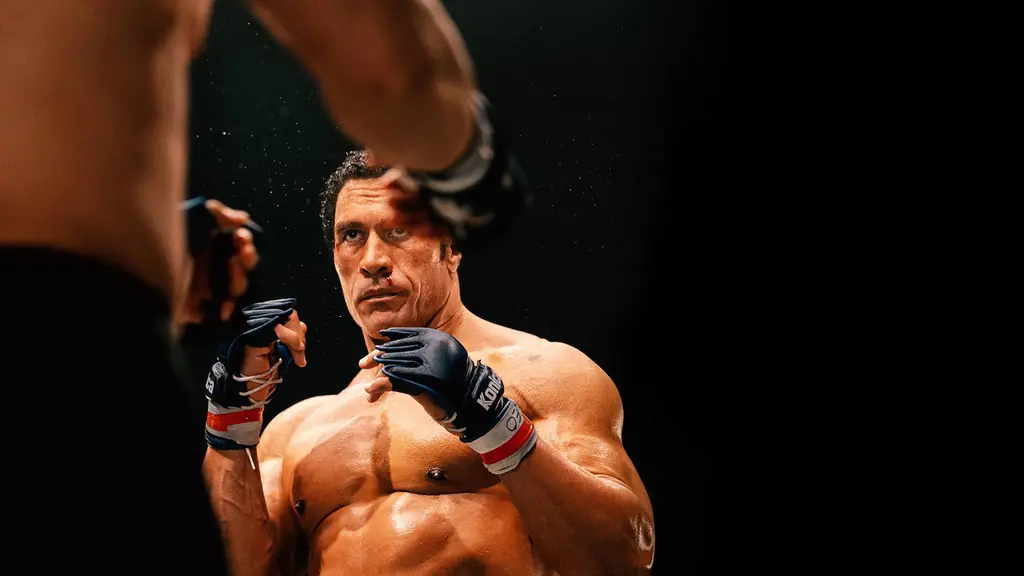
The buzz around The Smashing Machine largely centered on Dwayne Johnson's dramatic transformation, a talking point that, for many, overshadowed any discussion of the film itself. This initial focus raised a few eyebrows, hinting that perhaps there was more to this biopic than met the eye – or, perhaps, less. Directed by Benny Safdie, this R-rated drama plunges into the life of MMA fighter Mark Kerr between 1997 and 2000, a period when the UFC was rapidly gaining traction.
The Lead Dynamic & The Action
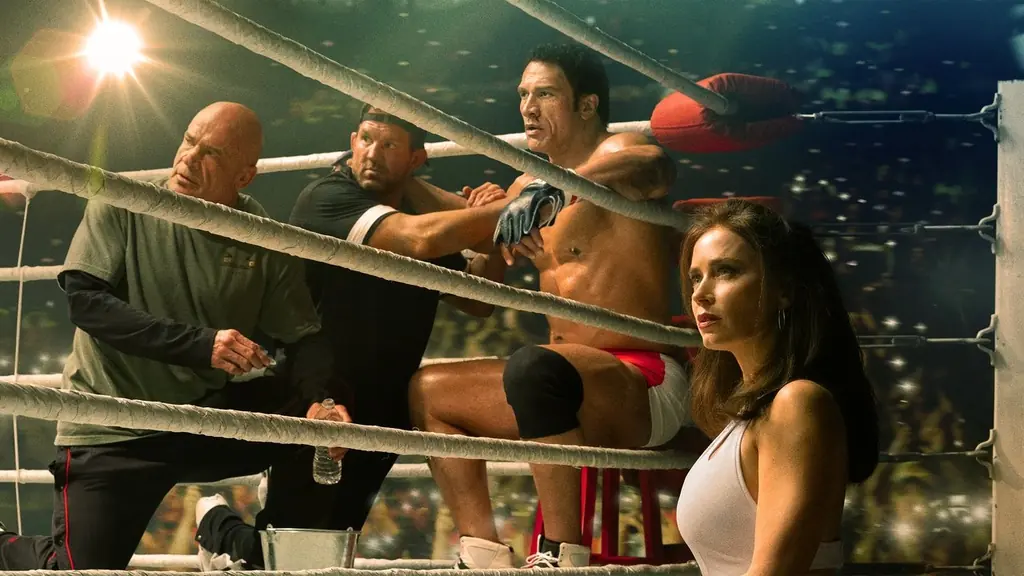
Despite its premise as an MMA biopic, the film surprisingly sidelines the sport, with most of Kerr's matches taking place in Japan's Pride event. Instead, the real "fights" here are domestic. The core of The Smashing Machine revolves around the tumultuous relationship between Mark Kerr and his girlfriend, portrayed by Emily Blunt. Their dynamic is a constant cycle of arguments, bickering, and volatile explosions, leaving audiences struggling to connect with either character. The film presents them as deeply flawed individuals, making it difficult to root for their journey or understand the depth of their frustrations. It’s a relationship that feels less like a partnership and more like "chemicals in Die Hard with a Vengeance" – harmless alone, but a dangerous mix together.
Cameos, Nostalgia & Narrative Stakes
The film struggles with an identity crisis, unsure if it wants to be a gritty sports drama or an intense relationship study. This indecision leads to a narrative that feels slow and meandering, failing to build compelling stakes for either the sport or the personal drama. While Johnson's physical transformation is notable, largely thanks to the prosthetics department, the film often feels like a vehicle designed to showcase his dramatic range to a new "A24 audience." This perceived fabrication detracts from the authenticity, leaving the impression that the story of Mark Kerr might have been better served focusing on a different aspect, or even a different character entirely, like his friend Mark Coleman.
Tone, Direction & Creative Freedom
Benny Safdie attempts to navigate the complexities of Kerr's life, including his opioid addiction and struggles for a comeback. However, the film often tells rather than shows, leaving crucial emotional spirals unexplored. The pacing contributes to a sense of detachment, making the two-hour runtime feel considerably longer. While the acting from both leads is undeniably strong, it’s not enough to elevate a narrative that feels disjointed and lacking a clear purpose beyond its lead's acting showcase.
The Final Verdict
Ultimately, The Smashing Machine is a film that promises a deep dive into the world of MMA and personal struggle but delivers a slow-burn relationship drama that fails to resonate. Despite solid performances from Dwayne Johnson and Emily Blunt, the film's muddled focus and unlikable characters make it a largely forgettable experience. It’s a testament to the idea that even a 15-minute standing ovation at a film festival doesn't guarantee a memorable cinematic journey.
What Worked
- Dwayne Johnson's committed dramatic performance.
- Emily Blunt's strong acting as Kerr's girlfriend.
- Impressive prosthetic work for Johnson's transformation.
- Attempts to explore a darker, more complex character.
What Didn't Work
- Slow and meandering pacing.
- Unlikable main characters, making emotional connection difficult.
- Muddled focus between MMA and relationship drama.
- Feels like a vehicle for Johnson's acting rather than a true biopic.
- Ultimately forgettable.