Introduction
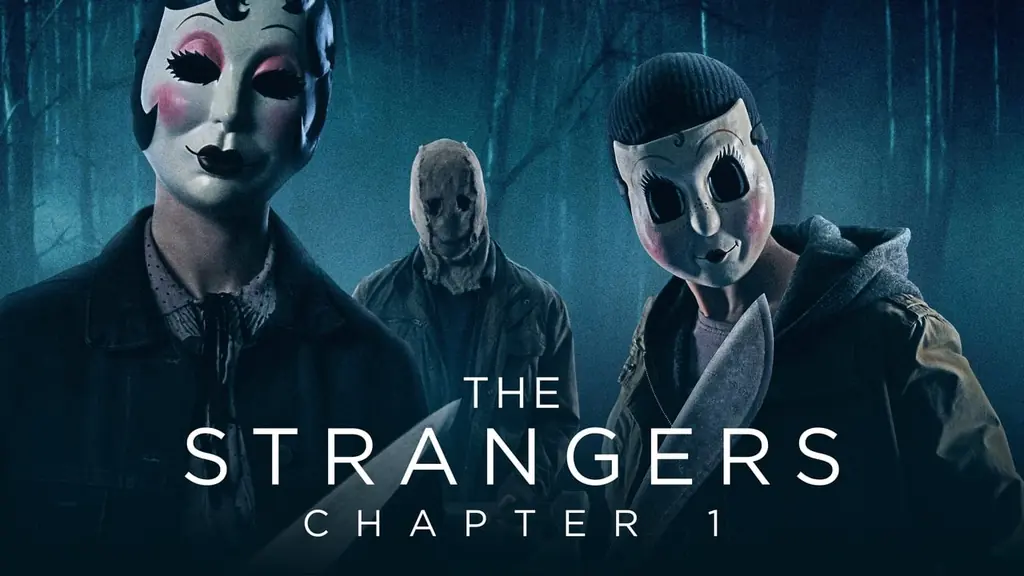
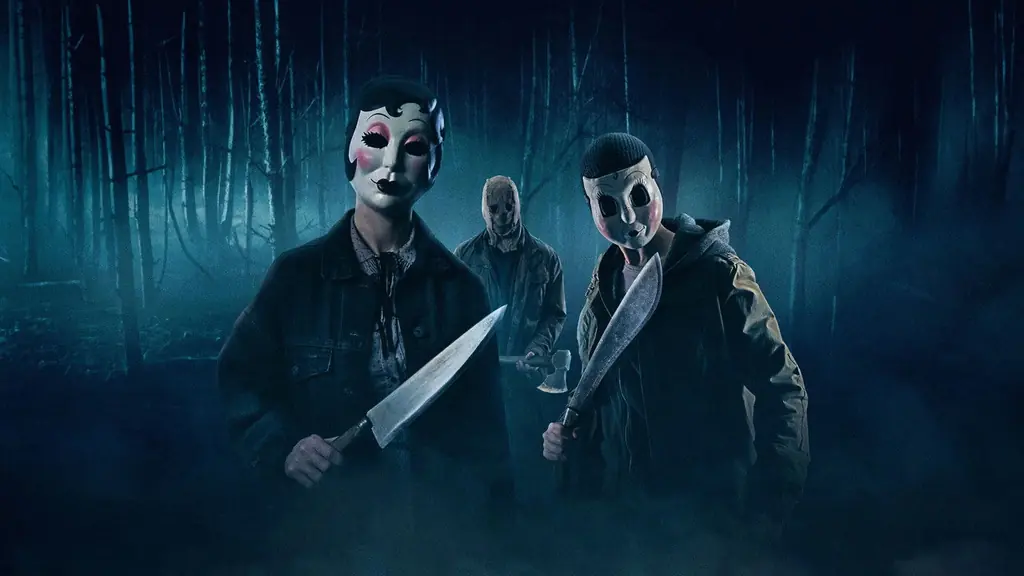
The original "Strangers" film carved out a niche with its unsettling simplicity, leaving a memorable mark on the home invasion subgenre. Now, The Strangers: Chapter 1 arrives, another attempt to recapture that surprising magic. Marketed as a fresh start, this latest entry plunges a young couple into the familiar nightmare of masked assailants, but unfortunately, it often feels less like a new chapter and more like a "dollar store" imitation. It's an entry into the ever-growing "scare BNB" trend, where the only message seems to be: "stay home."
The Lead Dynamic & The Action
From the outset, the film struggles to build genuine tension, largely due to its protagonists' perplexing choices. Our couple, played by Madelaine Petsch and Froy Gutierrez, find themselves in a remote Airbnb, a setup ripe for terror. Yet, their actions consistently defy logic, leading to moments that elicit more head-shaking than fear. The reviewer's frustration is palpable, questioning how characters could survive so long given their consistently poor decisions. When a large figure attempts to axe down a door, the immediate response isn't escape, but a baffling pause, as if waiting for a cue. The thought process seems to be: "I think it's over now, I'm going to check," despite clear and present danger. This extends to a scene where a character, suffering from shortness of breath, needs an inhaler but must remain silent. The choice to risk making noise for the inhaler, rather than waiting it out, is presented as another instance of baffling self-sabotage.
Similarly, a scene involving a truck ramming their vehicle devolves into a tearful goodbye rather than a desperate fight for survival. The presence of a shotgun in the vehicle is noted, yet it remains unused while the couple shares a moment on a porch, seemingly oblivious to the three psychopaths just feet away. These are not isolated incidents; the film is replete with such moments, making it difficult to suspend disbelief or genuinely root for the characters' survival.
There are fleeting moments where the film hints at potential, such as a visceral scene where a character's hand is impaled by a nail, forcing a silent struggle. This particular sequence stands out as one of the few instances of effective, body-horror-esque tension. However, these isolated moments are few and far between. Instead, the film leans heavily on predictable jump scares, often signposted from a mile away, leaving little room for genuine surprise or dread. The boyfriend's odd behavior at times, framed in a way that suggests he might be "in on it," only adds to the narrative confusion rather than building compelling distrust. It's a narrative choice that feels more like a misdirection than a genuine attempt at character complexity.
Cameos, Nostalgia & Narrative Stakes
Despite its "Chapter 1" moniker, this film isn't a prequel to the 2008 original, a point the trailer misleadingly suggested. Instead, it feels like a direct re-tread, borrowing heavily from its predecessors and other genre staples without adding anything new to the conversation. The narrative stakes feel low, primarily because the characters' survival instincts are so consistently undermined by their own illogical decisions. It's difficult to root for protagonists who seem determined to make the worst possible choices at every turn. The film culminates in an unearned "to be continued" ending, a bold move for a movie that struggles to justify its initial existence, let alone warrant future installments.
Tone, Direction & Creative Freedom
Under the direction of Renny Harlin, known for films like "Deep Blue Sea" but also "Cutthroat Island" and "Legend of Hercules," The Strangers: Chapter 1 attempts to evoke the chilling atmosphere of the original. However, it often falls flat, feeling like a collection of familiar horror tropes rather than a cohesive, terrifying vision. The film struggles to establish a unique identity, constantly reminding viewers of superior genre entries. The tone oscillates between attempts at suspense and moments of unintentional comedy, particularly when characters act with such baffling ineptitude. There's a pervasive sense that the film never quite proves why it deserves to live through its own runtime, failing to impress or innovate within its chosen genre. It feels like a missed opportunity to inject new life into a concept that once felt genuinely terrifying. The lack of creative freedom, or perhaps the inability to leverage it effectively, results in a film that feels derivative and ultimately forgettable.
The Final Verdict
Ultimately, The Strangers: Chapter 1 is a largely forgettable entry into the home invasion canon. It offers little in the way of fresh scares, compelling characters, or narrative originality. Viewers looking for a genuinely terrifying experience or a worthy successor to the original "Strangers" will likely find themselves disappointed. For those seeking a truly effective home invasion thriller, revisiting the 2008 film or exploring other genre gems would be a far more rewarding use of time and money. This is one chapter that could have remained unwritten.
What Worked
- A few isolated moments of effective, visceral horror.
- Briefly delivers on the home invasion tension.
- The discussion it sparks can be cathartic.
What Didn't Work
- Lacks originality, borrowing heavily from other films.
- Characters make consistently baffling and illogical choices.
- Over-reliance on predictable and ineffective jump scares.
- The "Chapter 1" title is misleading, not a prequel.
- An unearned "to be continued" ending.