Introduction
The Strangers: Chapter 3 arrives as the supposed epic conclusion to a reboot trilogy that few asked for, and even fewer will remember. After The Strangers: Chapter 1 and The Strangers: Chapter 2 landed a year apart, this final chapter feels less like a grand finale and more like a studio rushing to get it over with. It’s the "end of the beginning," as one might say, but perhaps an end that should have come much sooner.
The Lead Dynamic & The Action
Picking up directly from its predecessor, The Strangers: Chapter 3 finds its protagonist, played by Madelaine Petsch, in a deeply traumatized, almost catatonic state. Her character, once a focal point, is reduced to a shell, offering little dialogue and mostly just shaking in fear. This transformation turns the narrative into what can only be described as "misery porn," devoid of engaging character development or compelling stakes. The kills themselves are neither interesting nor satisfying, contributing to an overall sense of pointlessness rather than terror.
Cameos, Nostalgia & Narrative Stakes
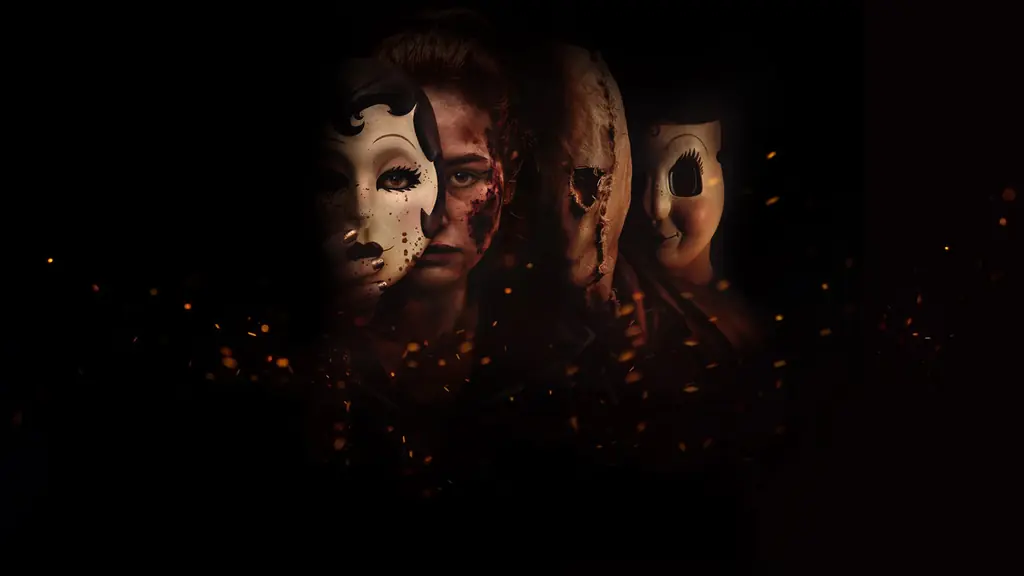
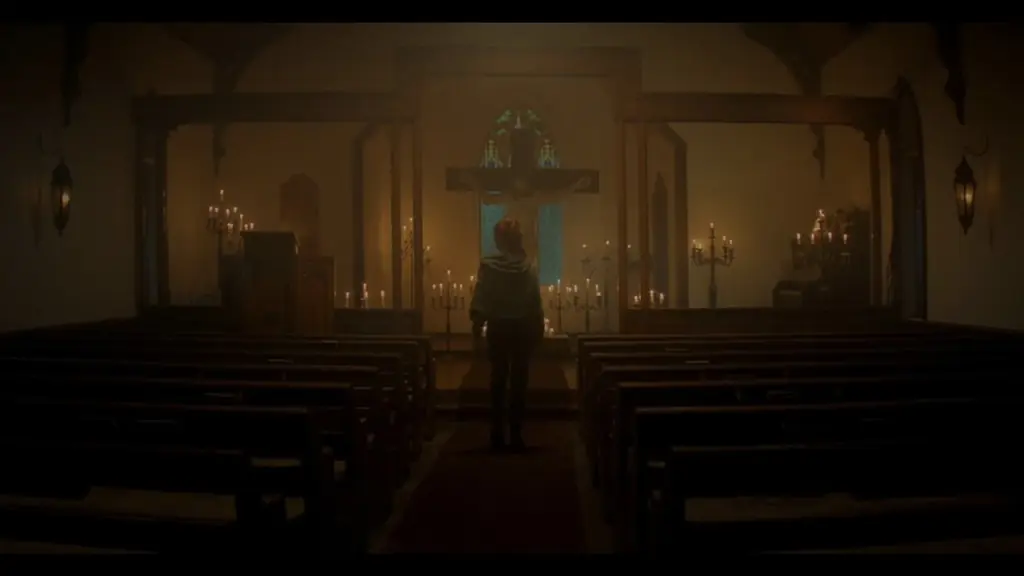
The film attempts to weave in a subplot with the protagonist's family searching for her, but this arc is quickly and unceremoniously dismissed, leading nowhere. This highlights a fundamental flaw: the trilogy's misguided ambition to be more "cerebral" than its simple home invasion roots. A particularly baffling scene features the masked stranger, without his mask, engaging in a civil conversation with Madelaine Petsch in a church. This moment completely shatters the predator-prey dynamic, leaving audiences questioning the villain's consistency and the film's own internal logic. The entire endeavor feels like an unnecessary character deconstruction that no one, especially the characters themselves, ever needed or wanted.
Tone, Direction & Creative Freedom
Under the direction of Renny Harlin, the film struggles with tone and pacing, often feeling like a tedious slog. The attempt to expand a straightforward premise into three feature films results in significant runtime padding, with side arcs introduced only to be wiped away without consequence. The ending, far from a fulfilling conclusion, leaves the audience with unanswered questions that no one will care to ponder once the credits roll. It’s a film that tries to be profound but only succeeds in being boring, leaving a lingering sense of "why bother?"
The Final Verdict
Ultimately, The Strangers: Chapter 3 is a deeply disappointing finale. It's a "dog" of a film, a long and sad road that culminates in one of the worst film trilogies in recent memory. The experience is so unengaging that one might find themselves, like one audience member, napping through it – a far better use of time than actively watching this cinematic misstep. It’s time to bury this trilogy for good.
What Worked
- Delivers the promised conclusion to the reboot trilogy.
- Fast-tracked release ensures a quick resolution for the series.
- Attempts to expand on the masked killer's motivations and lore.
What Didn't Work
- Protagonist reduced to a catatonic, uninteresting state.
- Plot points, like the family search, lead nowhere.
- Kills are neither interesting nor satisfying.
- Misguided attempts at "cerebral" storytelling fall flat.