Introduction
Anticipation for The Wild Robot was high, especially with Chris Sanders, the visionary behind "Lilo & Stitch" and "How to Train Your Dragon," at the helm. Yet, what audiences received was an unexpected delight, a film that defies easy categorization and subverts expectations at every turn. Forget any notions of a "Dollar Store Wall-E"; this animated feature carves its own unique path, proving to be an "awesome-tacular" experience that resonates deeply.
The Lead Dynamic & The Action
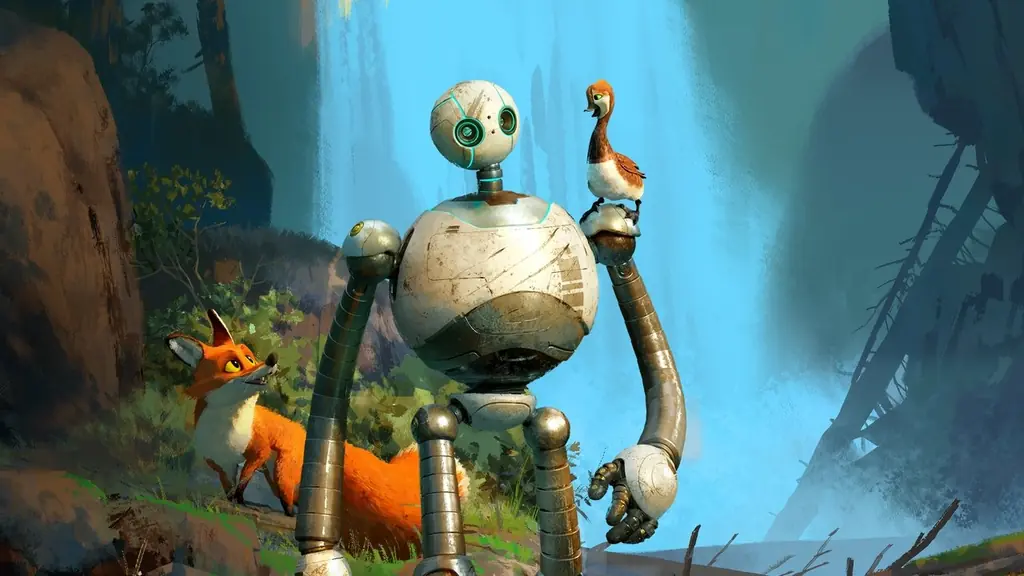
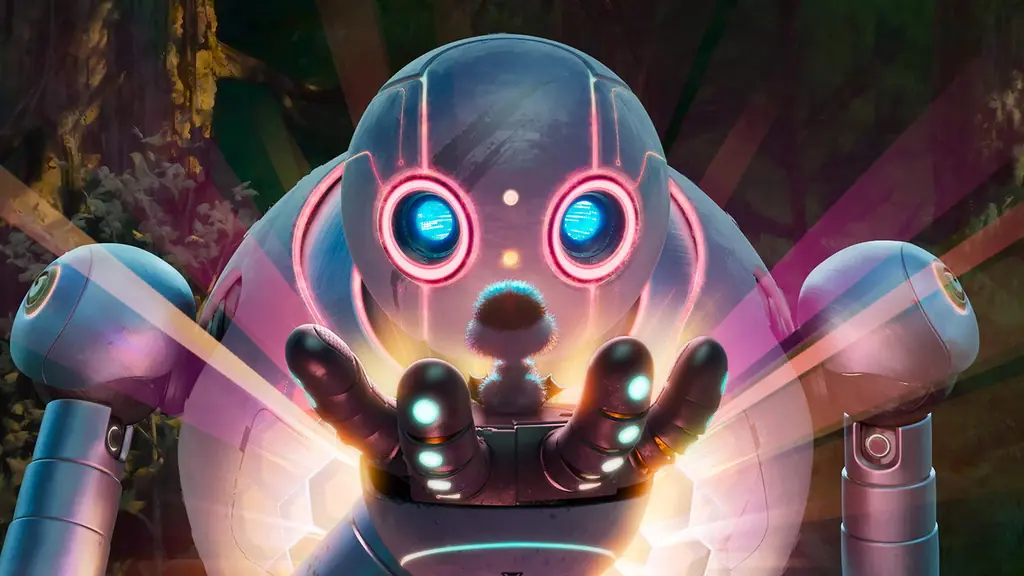
The core of The Wild Robot centers on a robot, dropped inexplicably into the wilderness, who finds purpose in raising a lost gosling. This unlikely parent-child dynamic forms the emotional backbone, teaching lessons about family, choice, and perseverance. The film isn't afraid to inject dark humor, particularly with its recurring "death jokes," which, while occasionally overused, consistently land a chuckle. The animation itself is a visual feast, smooth and vibrant, with colors that pop and a stylistic approach that feels fresh rather than incomplete. While modern animation sometimes leans into a "stylistic" look that can feel unfinished, The Wild Robot masterfully uses its aesthetic to enhance the storytelling. The third act takes an unexpected turn, leaning into action sequences that are undeniably entertaining without sacrificing the film's underlying thematic depth.
Cameos, Nostalgia & Narrative Stakes
One of the film's quiet strengths lies in its voice cast. While names like Lupita Nyong'o as the robot, Pedro Pascal, and Bill Nighy are attached, their performances are so seamlessly integrated that their distinct voices blend into the characters, allowing the story to shine without distraction. This isn't a film with just one lesson; it's an odyssey of life lessons. From the coming-of-age journey of Brightbill, the gosling who must work to overcome his physical limitations, to the profound exploration of parenting and the difficulty of letting go, the narrative is rich with meaning. It delves into the idea that weaknesses can become strengths and vice versa, presenting a layered experience that ensures no viewer walks away with just a single takeaway.
Tone, Direction & Creative Freedom
The Wild Robot masterfully balances its emotional weight with its engaging narrative. It's a heavy story about parenting and the human condition, told through the lens of a robot and a host of animals, yet it never feels preachy or cheesy. The film earns its emotional beats, prompting genuine feelings without resorting to manipulative tactics. It's the kind of movie that kids will enjoy for its adventure and humor, but adults will find themselves holding back tears, recognizing the deeper truths about life, family, and the challenges of raising children. This layered approach suggests a creative freedom that allowed Chris Sanders to craft a truly unique and impactful animated experience.
The Final Verdict
The Wild Robot stands out as a rare animated gem that genuinely caters to both children and adults. It's a deeply human story, despite its robotic protagonist, packed with emotional resonance and valuable life lessons that unfold naturally. The film is an impressive achievement, delivering an "awesome-tacular" experience that will leave audiences reflecting long after the credits roll. It's a testament to thoughtful storytelling and animation that dares to be different.
What Worked
- Unexpectedly deep and emotional storytelling
- Beautiful, vibrant, and stylistically unique animation
- Profound lessons on family, parenting, and perseverance
- Seamless and effective voice acting from a talented cast
- Engaging narrative that appeals to both kids and adults
What Didn't Work
- Occasional overuse of dark "death jokes"
- The third act's shift to action, while entertaining, slightly deviates from the core emotional journey