Introduction
Thunderbolts* arrives as the Marvel Cinematic Universe's bold answer to the anti-hero team-up, a concept DC has explored with varying success. With the Avengers seemingly out of commission, a new, less conventional group of super-powered dropouts is thrust together to tackle a mysterious threat. The premise promises a fresh dynamic: a collection of individuals who don't necessarily like each other, forced to collaborate for survival, and eventually, for something bigger.
The Lead Dynamic & The Action
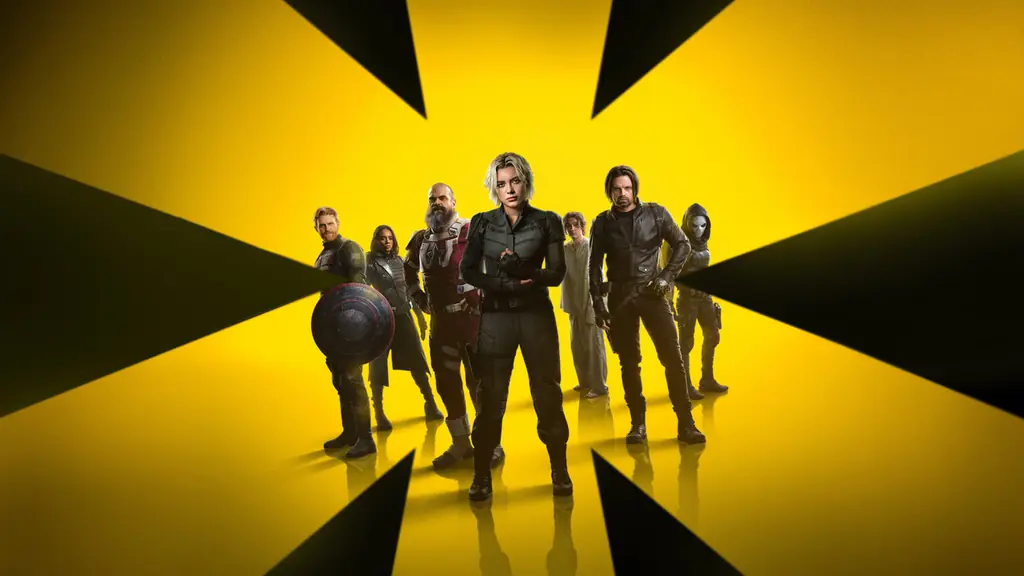
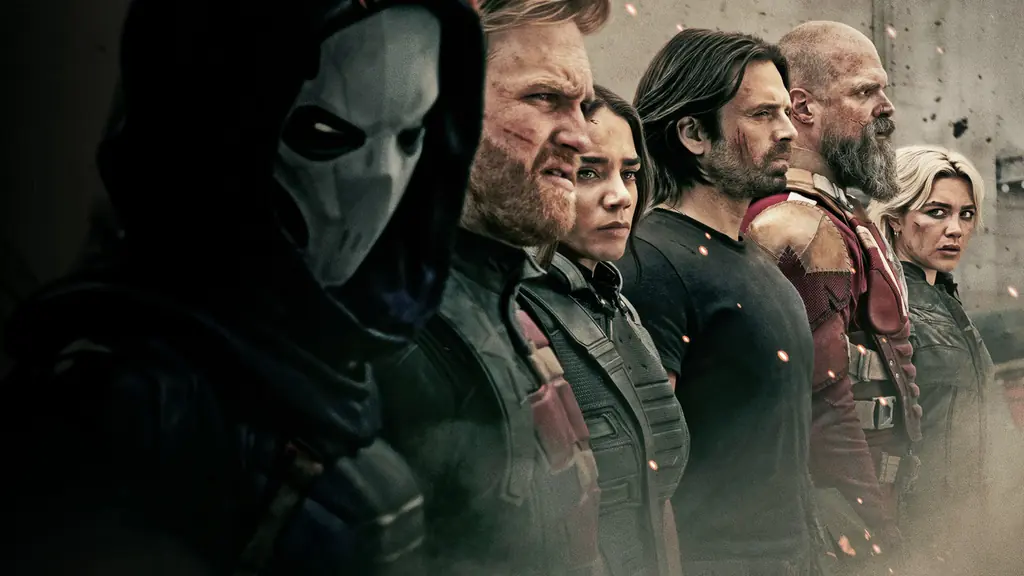
The initial assembly of this motley crew highlights their inherent friction. Early scenes are rife with bickering and griping, making the team appear more incompetent than intended. This struggle for synergy, with everyone vying for leadership, creates a petty dynamic that feels authentically human. Florence Pugh as Yelena Belova anchors the film, carrying the weight of her character's past with a compelling performance. She's given ample opportunity to shine, navigating a narrative deeply rooted in themes of pain and redemption. While Wyatt Russell's John Walker is present, he comes across as less sympathetic here than in previous appearances. The true scene-stealer, however, is David Harbour as Red Guardian. His infectious delivery and innate understanding of the assignment elevate every moment he's on screen, especially when he and Sebastian Stan's Bucky Barnes join the fray, bringing much-needed levity and leadership, respectively. The action sequences are generally fun, though one particular moment sees the CGI become noticeably less convincing, a familiar pitfall for many MCU productions.
Cameos, Nostalgia & Narrative Stakes
The film's first act is marred by narrative conveniences, particularly in the search for a power source that materializes a little too easily. While the concept of unlikable characters is central to the team's identity, their initial incompetence can be frustrating. A significant misstep is the underutilization of Ghost, played by Hannah John-Kamen. Despite possessing one of the coolest superpowers, she's relegated to the background, leaving audiences with the impression of a character with immense potential left untapped. The narrative also struggles with its ending, which feels anticlimactic. What should be a weighty conclusion on paper lacks the necessary development to land with impact, leaving the final moments feeling rushed and unresolved.
Tone, Direction & Creative Freedom
Thunderbolts* grapples with a conflicting tone, a common issue in the MCU. The film often injects out-of-place humor, particularly through Julia Louis-Dreyfus's character, whose lines feel as though they were written for a different movie, perhaps even for Jeff Goldblum in "Thor: Ragnarok." This comedic approach clashes with the darker, espionage-thriller vibe the film occasionally flirts with. Had Jake Schreier's direction leaned more consistently into that grittier, "Captain America: Winter Soldier"-esque tone, the film could have achieved a more cohesive identity and a stronger impact. Instead, it falls into the trap of an identity crisis, diluting its potential by trying to be too many things at once.
The Final Verdict
Despite its familiar MCU problems, Thunderbolts* ultimately delivers a fun ride. The chaotic chemistry of its misfit team, particularly the standout performance by David Harbour, makes for an entertaining watch. While it stumbles with tonal inconsistencies and an anticlimactic finish, the sheer enjoyment of seeing these flawed characters navigate their forced alliance makes it a worthwhile experience for those seeking a different kind of superhero team-up.
What Worked
- Engaging anti-hero team dynamic
- David Harbour's scene-stealing Red Guardian
- Florence Pugh's strong central performance
- Fun action sequences
- Intriguing premise of forced collaboration
What Didn't Work
- Conflicting tone and out-of-place humor
- Underutilized characters like Ghost
- Anticlimactic ending
- First act narrative conveniences
- Noticeable CGI issues in some scenes