Introduction
undertone, the feature-length directorial debut from Ian Tuason, arrives with a promise of auditory terror. It centers on a supernatural podcaster, played by Nina Kiri, who stumbles upon a series of mysterious audio files. What begins as a routine broadcast quickly spirals into a chilling descent as these recordings unleash unsettling phenomena, all while her ailing mother lies upstairs, nearing her final moments. This setup, while seemingly familiar, quickly distinguishes itself through an innovative approach to horror.
The Lead Dynamic & The Action
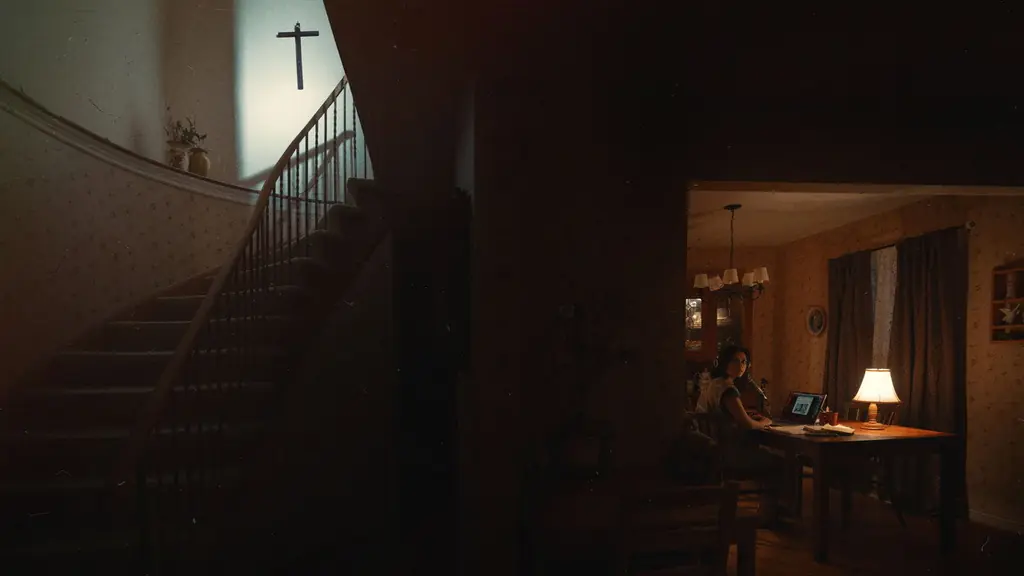
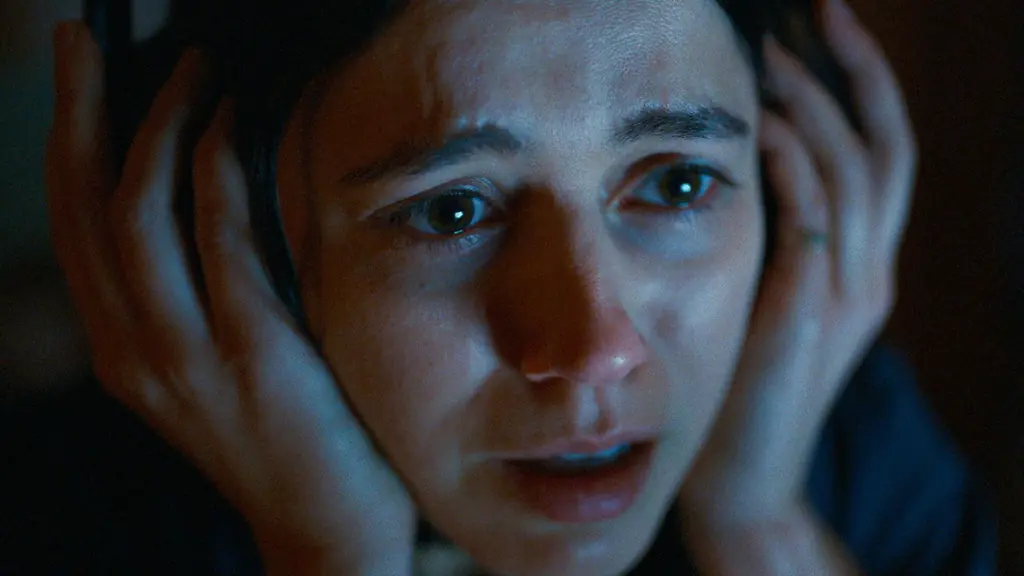
Kiri's performance as the initially skeptical podcaster anchors the film. The true genius, however, lies in its immersive audio design. When Kiri's character dons her headphones, the audience is plunged directly into her auditory perspective, hearing every creak, whisper, and unsettling sound exactly as she does. This technique, reminiscent of the chilling revelations in The Sixth Sense or the spatial audio of Gravity, is remarkably effective, creating a visceral sense of dread. The film also masterfully employs its camera work, often framing Kiri slightly off-center, allowing the lens to slowly, almost imperceptibly, zoom into the dark, ambiguous spaces behind her. This visual parallel to "auditory pareidolia"—where random noise is perceived as voices—leaves viewers questioning what they truly saw, or merely thought they saw, in the shadows. It's a clever trick that eschews cheap jump scares for sustained, psychological tension.
Cameos, Nostalgia & Narrative Stakes
undertone embraces a slow-burn pace, taking its time to establish Kiri's character and her struggles, drawing the audience into her world before unleashing the full force of its horror. This deliberate build-up ensures genuine engagement, a welcome departure from horror films that often rush to scares without investing in their protagonists. While the ending might feel "unfulfilling" to some, the film's efficient 90-minute runtime ensures it never overstays its welcome. It maintains solid momentum throughout, proving that a compelling narrative doesn't require an epic length. The film largely avoids overt fan service or excessive cameos, focusing instead on its core premise and character journey.
Tone, Direction & Creative Freedom
Ian Tuason demonstrates impressive creative control, especially given the film's modest budget, reportedly around $500,000. The story unfolds primarily within two confined settings—the podcasting area and the mother's bedroom—a testament to smart budget management. Tuason's direction skillfully manipulates lighting and shadows, creating an atmosphere of constant unease without relying on explicit reveals. The film's commitment to its unique audio-visual conceit showcases a director unafraid to experiment and breathe new life into familiar horror tropes. The only truly horrifying visual element, as one might quip, is the "hard white LED light" in the mother's room—a stark, uninviting glow that perfectly encapsulates a certain kind of mundane dread.
The Final Verdict
undertone is a refreshing and genuinely unsettling horror experience. It takes a seemingly simple concept and elevates it through intelligent sound design, subtle visuals, and a compelling central performance. While its conclusion might leave some craving more definitive answers, the journey itself is a masterclass in building suspense and psychological terror. For those seeking a horror film that prioritizes atmosphere and immersion over jump scares, this debut is an absolute must-see.
What Worked
- Innovative and immersive audio-centric horror
- Effective use of subtle visuals and camera work
- Strong central performance by Nina Kiri
- Engaging slow-burn pacing
- Impressive budget management for a debut feature
What Didn't Work
- Ending might feel unfulfilling to some viewers
- Relies heavily on psychological tension, less on overt scares
- The "hard white LED light" in the mom's room is truly horrifying