Introduction
Every now and then, a film slips quietly onto the scene, building buzz through word-of-mouth rather than a marketing blitz. Such is the case with Warfare, an A24 production that has quickly become the talk of the town for its unflinching portrayal of combat. Directed by Ray Mendoza, an Iraq War veteran, alongside Alex Garland, this film promised a grounded, true-to-life experience, and it absolutely delivers.
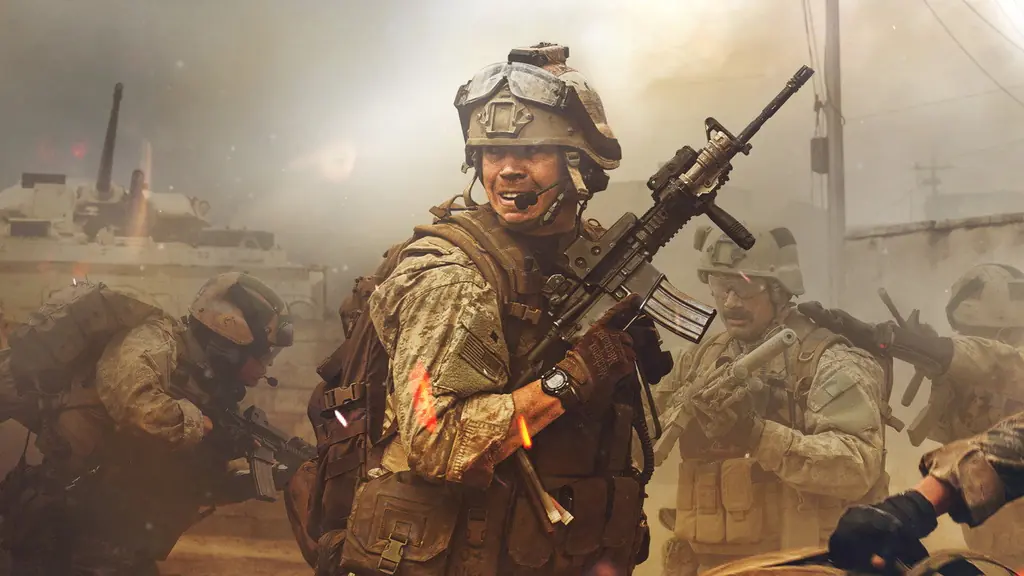
Set in 2006 Iraq, Warfare plunges viewers into the harrowing ordeal of a Navy SEAL platoon trapped in a house as enemy forces close in. Their singular goal: to survive. While this might sound like a familiar premise, the execution here is anything but. From the outset, the film establishes a deliberate pace, building a palpable sense of unease that steadily escalates into full-blown anxiety. This isn't a movie about grand heroics; it's about the terrifying, claustrophobic reality of being caught in a life-or-death situation.
The Lead Dynamic & The Action
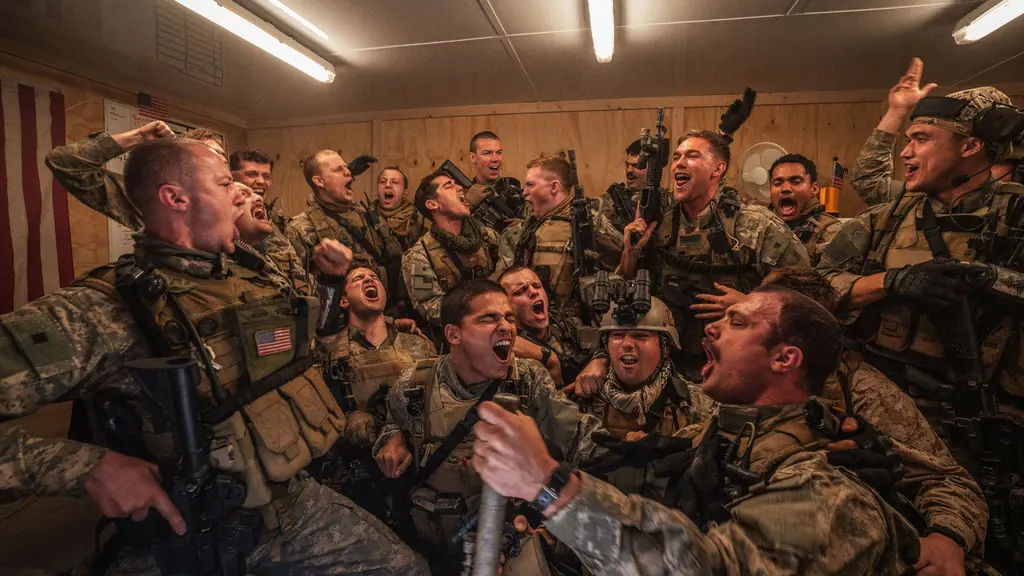
What truly sets Warfare apart is its commitment to realism, particularly in its portrayal of the soldiers' camaraderie and the sheer terror of combat. The initial moments are filled with the "bullshitting" and restlessness of men waiting, a quiet before the storm that feels incredibly authentic. When the action finally "pops off," it does so with a brutal intensity that never lets up. The anxiety, once a slow burn, transforms into a relentless barrage of bullets and explosions.
While the film isn't packed with a huge cast, the performances are uniformly excellent. Actors like Michael Gandolfini, Will Poulter, and Joseph Quinn (not Joey Quinn, as the reviewer humorously clarifies) all clock in to do a great job. Their portrayals are aided by a crew dedicated to making the military essence feel authentic, but the real star here is the sound design. Hollywood will struggle to produce "audio bangers" that can compete with Warfare this year. The bullets are terrifyingly real, and the few explosions are impactful precisely because of their scarcity. Moments like a jet's low flyby are rendered with such visceral detail that they feel less like sound effects and more like physical assaults.
One particularly striking example is an explosion heard from the characters' point of view, where the audio becomes muffled. The attention to detail is so precise that the muffling feels distinct for each character, depending on their proximity to the blast. This isn't just sound; it's a feeling, a profound immersion into the chaos and disorientation of war.
Cameos, Nostalgia & Narrative Stakes
Warfare eschews bombastic Hollywood spectacle for a deeply personal and horrifying account of conflict. There are no winners here, only survivors, and the film makes it abundantly clear that what unfolds on screen is "hell." This isn't a war movie in the traditional sense of grand battles; it's a "war situation in a war," focusing on the immediate, terrifying stakes of a small group of individuals. The narrative strips away any sense of glamour or glory, leaving only the raw, brutal truth of combat where "death feels closer than ever."
Unlike many war films that might offer moments of levity or a clear heroic arc, Warfare maintains its grip of anxiety throughout. It doesn't rely on fan service or excessive cameos to distract from its core message. Instead, it uses its tight 90-minute runtime to deliver a relentless, claustrophobic experience that illustrates the horrific reality soldiers face. This approach ensures that every moment, every bullet, and every muffled sound contributes directly to the film's powerful, unsettling narrative.
Tone, Direction & Creative Freedom
Ray Mendoza's background as an Iraq War veteran undoubtedly informs the film's authentic tone and direction. The movie feels less like a dramatization and more like a window into a real experience. It's "one of the more effectively scary, anxiety-inducing, and claustrophobic feeling war films" in recent memory, precisely because it prioritizes realism over entertainment value. This isn't to say it's not engaging; quite the opposite. Its intensity is what makes it so captivating, pulling viewers into the soldiers' plight with an almost unbearable tension.
The direction masterfully builds this anxiety, starting with a deliberately paced first half that allows the audience to feel the restlessness and then the dawning realization of danger. When the fighting erupts, it's not a release of tension but an amplification of it. The film's creative freedom seems to lie in its ability to resist the urge to sanitize or sensationalize war, instead presenting it as a horrifying, no-win scenario. It offers a perspective on what soldiers truly endure, making it a profoundly impactful and important watch.
The Final Verdict
Warfare is an "awesometacular" achievement in war cinema. It's not a "fun" movie in the conventional sense, nor is it meant to be. Instead, it's a visceral, anxiety-inducing journey into the heart of combat that strips away all pretense and bombast. With its unparalleled sound design, authentic performances, and relentless tension, it offers a stark, realistic portrayal of war that will leave audiences shaken and deeply affected. For those seeking an unflinching, immersive experience that truly conveys the horror of battle, Warfare is an absolute must-see.
What Worked
- Unparalleled, immersive sound design that makes bullets and explosions terrifyingly real.
- Visceral and authentic portrayal of combat, stripping away Hollywood pomp.
- Relentless, anxiety-inducing tension that keeps viewers on edge for the entire runtime.
- Strong performances from the ensemble cast, contributing to the film's realism.
- Deliberate pacing that effectively builds suspense and dread.
- A tight 90-minute runtime that maximizes impact without overstaying its welcome.
What Didn't Work
- Its relentless anxiety might be too intense for some viewers.
- Not an "entertaining" or "fun" watch in the traditional sense of war films.
- The claustrophobic nature of the conflict might be overwhelming for some audiences.