Introduction
The highly anticipated second chapter, Wicked: For Good, finally arrives, concluding the epic tale of Oz's most famous witches. Following the trend of splitting grand narratives, this film picks up where its predecessor left off, diving straight into the heart of the conflict. Be warned: this isn't a standalone adventure. Viewers absolutely need to have seen the first Wicked film, and a refresher rewatch is highly recommended, as the story plunges forward without a "previously on Oz" recap.
The Lead Dynamic & The Action
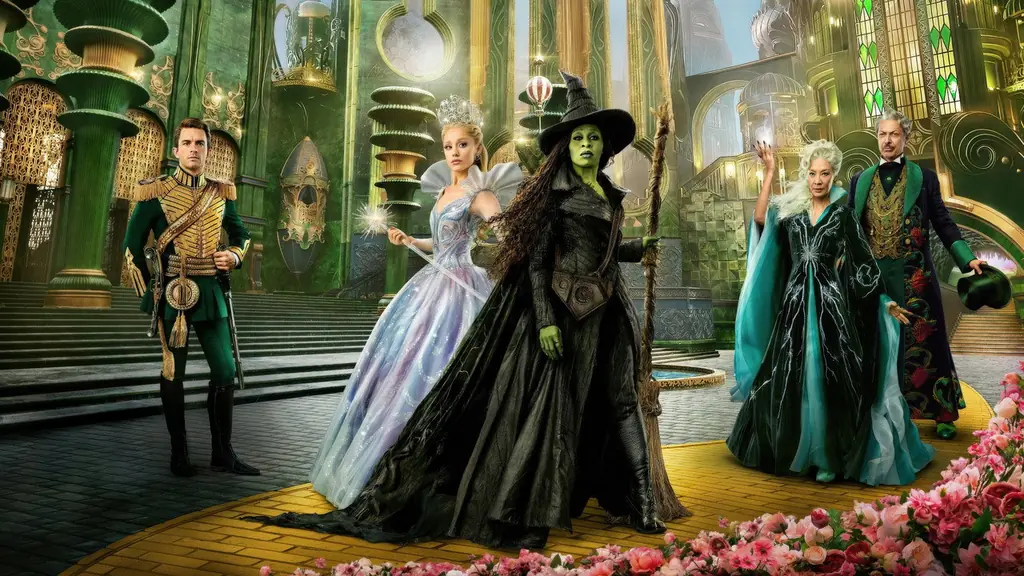
At its core, Wicked: For Good continues to explore the complex, often tumultuous "friend-enemy" dynamic between Elphaba and Glinda. Cynthia Erivo and Ariana Grande once again deliver strong performances, carrying the emotional weight of their characters' evolving relationship. Grande, in particular, continues to impress with her comedic timing, even in moments of heightened drama, showcasing a surprising range that stood out in the first film. However, the narrative stumbles when it leans too heavily into a love triangle subplot. What felt like a minor element in the first movie escalates here into a "CW"-esque melodrama, culminating in a catty, almost slapstick fight between the two leads during a moment that should have been steeped in grief. It's a jarring misstep that detracts from the film's emotional core. Visually, the film remains a triumph. The production design, carried over from the first installment, is consistently top-notch, creating a vibrant and immersive Oz that begs to be seen on the big screen. From the intricate details of Munchkin Land to the grand scale of the Emerald City, every frame is a feast for the eyes.
Cameos, Nostalgia & Narrative Stakes
The film effectively portrays the insidious nature of propaganda, as Elphaba is vilified and dehumanized by the powers that be, branded solely as "the wicked witch." This theme of questioning authority and the manipulation of public perception feels incredibly relevant. Yet, as the story progresses and begins to align more closely with the familiar "Wizard of Oz" events, the pacing takes a drastic turn. The second half feels like a "speedrun," rushing through pivotal moments and character arcs that deserved more development. Characters who become deeply entwined with the Oz narrative are given short shrift, their emotional conflicts glossed over in a flyby. This hurried approach leaves many character motivations feeling unfulfilled, especially for those who aren't intimately familiar with the stage play. The film also subtly plays off the original "Wizard of Oz" book, notably featuring silver slippers instead of ruby, a detail that might delight purists but further highlights the film's reliance on pre-existing lore.
Tone, Direction & Creative Freedom
Jon M. Chu's direction maintains a visually stunning aesthetic, but the film's narrative choices suggest a struggle to translate the stage play's nuances to the cinematic medium. There are moments, such as a significant event depicted solely through shadows on a wall, that feel distinctly "play-esque" and fall flat on the big screen, rendering what should be a dramatic climax anticlimactic. This often gives the impression that Wicked: For Good was crafted primarily for those who already know the stage production inside out, expecting them to fill in the narrative gaps with their existing knowledge. For newcomers, this approach can lead to confusion and a sense of detachment, as crucial character developments and plot points are rushed or underdeveloped. The film struggles to find its own cinematic voice, often feeling constrained by its theatrical origins rather than expanding upon them.
The Final Verdict
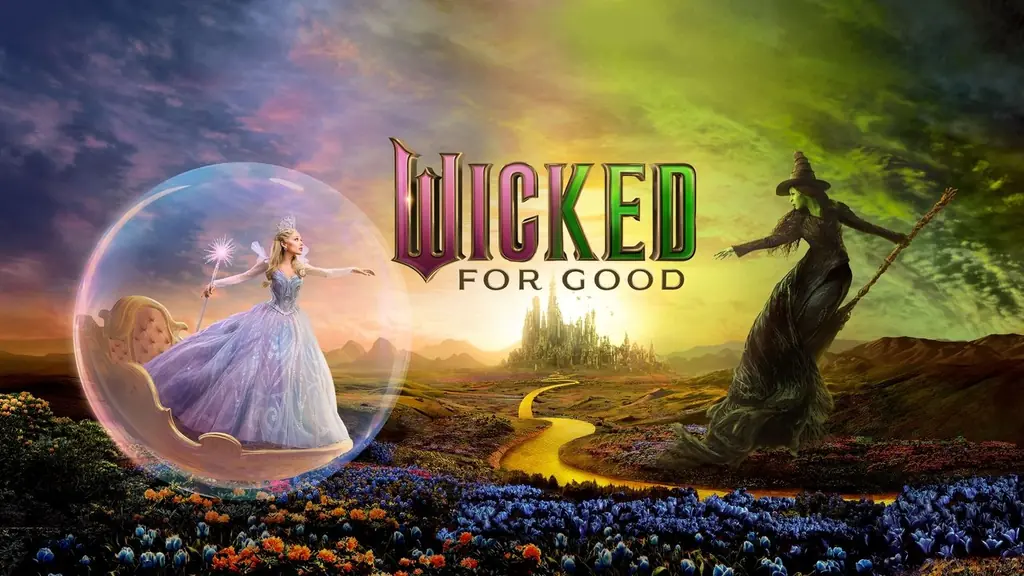
Ultimately, Wicked: For Good is a visually spectacular but narratively uneven conclusion. While the performances of Cynthia Erivo and Ariana Grande remain strong and the production design is breathtaking, the film's rushed pacing, underdeveloped subplots, and heavy reliance on prior knowledge of the stage play prevent it from reaching the heights of its predecessor. It's a magical mess that, despite its dazzling exterior, leaves a lingering sense of disappointment.
What Worked
- Stunning, top-notch production design and visuals.
- Strong performances from Cynthia Erivo and Ariana Grande.
- Effective portrayal of propaganda and dehumanization.
- The central "friend-enemy" dynamic remains compelling.
What Didn't Work
- Significant pacing issues, especially in the second half.
- Love triangle subplot feels forced and overly "CW".
- Narrative relies heavily on prior knowledge of the stage play.
- Some theatrical elements don't translate well to the big screen.
- Underdeveloped character arcs due to rushed storytelling.