Introduction
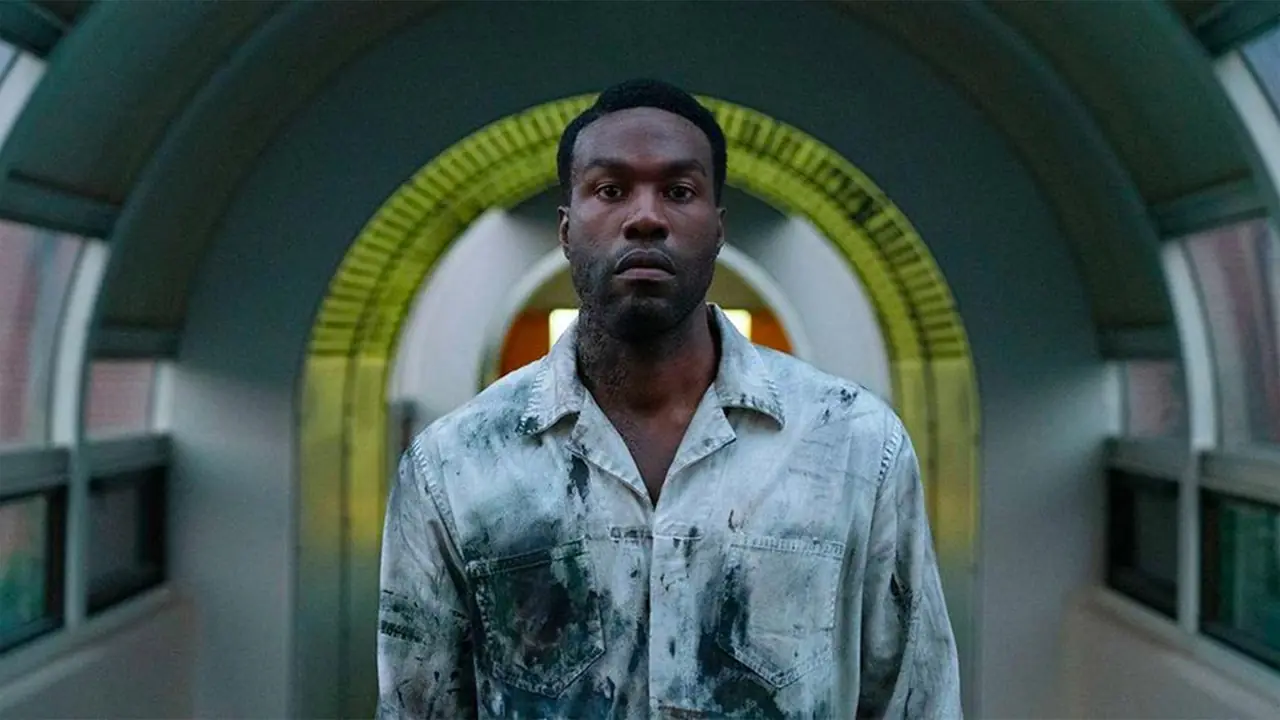
From the outset, Wish Upon (2017) presents a familiar yet intriguing premise: a magical box granting wishes, each with a deadly price. The setup promises a dark exploration of desire and consequence, but the film quickly reveals its true colors, leaving audiences with a profound sense of disappointment. It's the kind of movie that makes you do a double-take at the poster, wondering how something so promising could go so wrong.
Psychological Friction & Character Dynamics
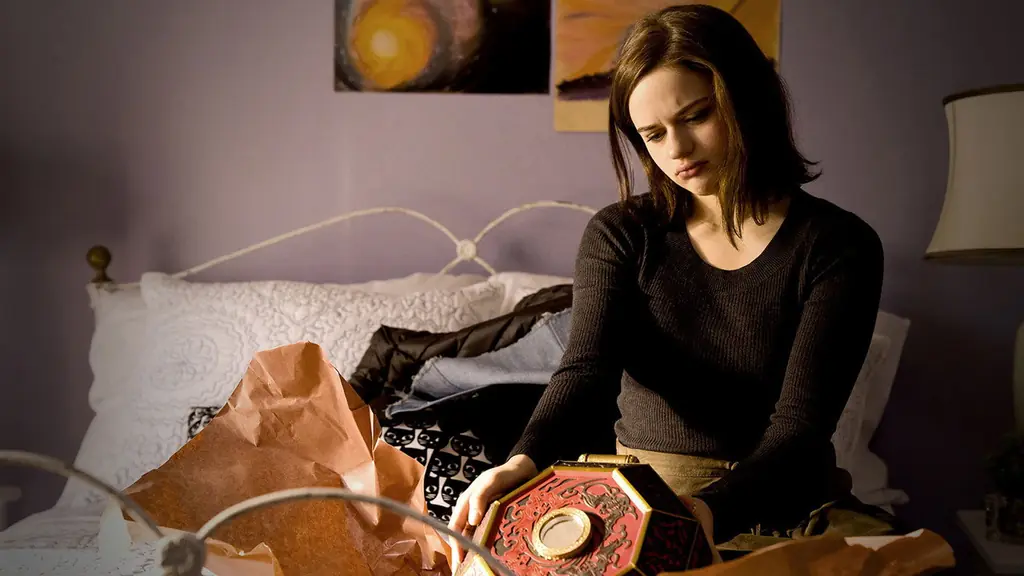
The story centers on a high school outcast, played by Joey King, who stumbles upon this mysterious artifact. Her initial wish, targeting a school bully, results in a gruesome outcome – necrotizing fasciitis, no less. Yet, instead of horror or empathy, the film presents her as an "asshole," celebrating the bully's demise. This lack of a sympathetic lead is a critical misstep, making it impossible to root for or even tolerate her as she continues to wish, fully aware of the deadly repercussions. The film desperately tries to emulate the tension and elaborate kills of a Final Destination movie, but it falls flat. Director John R. Leonetti struggles to build any genuine suspense around the deaths, which are neither creative nor impactful. There's no "mouse trap from hell" here, just a series of uninspired fatalities that feel more like plot devices than terrifying consequences.
Psychological Stakes & Climactic Suspense
The narrative meanders, failing to establish any real stakes or cohesive plot. The pacing is a significant issue, leading to stretches of profound boredom where "things just kind of happen" without any meaningful impact or character development. The film attempts to ground itself in "teenage girl drama," but this element feels trivial and unengaging, failing to provide the emotional anchor it clearly intends. Even moments designed for tension, like a scene where two characters face peril, are undermined by a noticeable lack of budget and poor execution, leaving viewers detached rather than on the edge of their seats.
Filmmaking Execution & Stylistic Command
Wish Upon struggles to define its genre, oscillating between horror and thriller without excelling at either. It's not scary, it's not tension-filled, and it's rarely even interesting. The acting, particularly in moments requiring genuine emotional pain, fails to land, suggesting a lack of direction or perhaps just a single-take approach. The intriguing premise, which could have been a compelling Twilight Zone episode or a sharp short film, is stretched thin across a feature-length runtime, resulting in a drawn-out, unsatisfying experience.
The Final Verdict
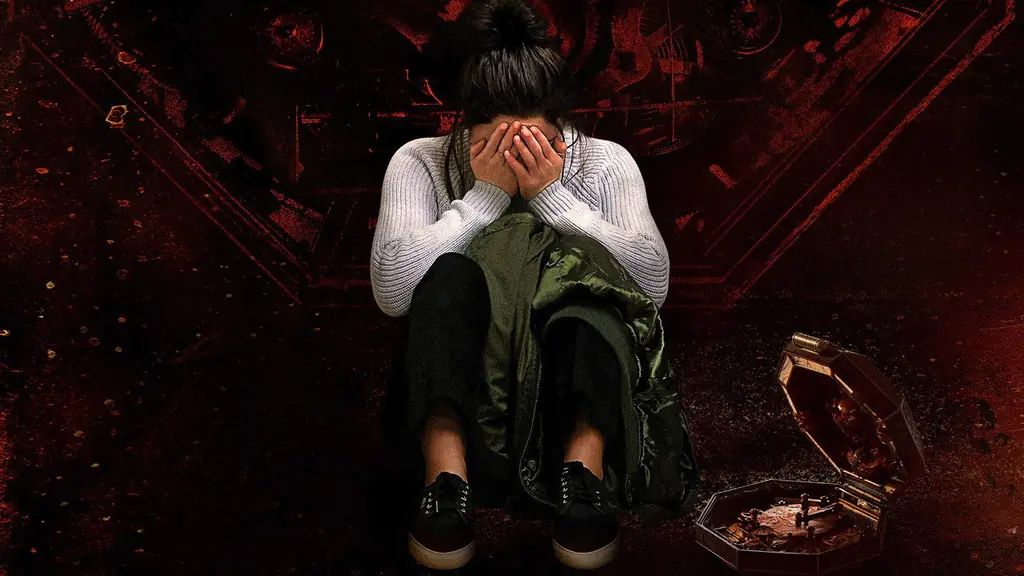
Ultimately, Wish Upon is a cinematic misfire. It's a "garbage" horror movie that fails on almost every front, from its unsympathetic protagonist to its uninspired scares and tedious pacing. Save yourself the restless leg syndrome and skip this one entirely.
What Worked
- An intriguing premise of wishes with deadly consequences.
- One scene attempts to build genuine suspense.
- Explores the dark side of wish fulfillment.
What Didn't Work
- Fails to deliver genuine scares or tension.
- Unsympathetic protagonist makes it hard to care.
- Uninspired death sequences lack creativity and impact.
- Pacing issues and poor acting contribute to a boring experience.
Frequently Asked Questions
Is Wish Upon worth watching?
Based on critical reception, Wish Upon is generally not considered worth watching due to its lack of scares, poor acting, and uninspired plot.