Introduction
The return of Candyman in 2021 arrived with the weight of expectation, promising a direct sequel to one of the most iconic horror films of the 90s. In an era where many beloved horror franchises are receiving "true sequel" reboots, this film aimed to reclaim the chilling legacy of the urban legend. Audiences were eager to see how a new vision would tackle the lore, especially with the original's reputation for intelligent, atmospheric terror.
The Lead Dynamic & The Action
The cast of Candyman delivers commendable performances, often working overtime to elevate a script with noticeable shortcomings. Yahya Abdul-Mateen II anchors the film as a struggling artist who inadvertently becomes entangled in the terrifying Candyman lore. His journey into the rabbit hole of urban legend is compelling, even when the narrative around him falters. Teyonah Parris also shines, bringing a strong presence to her role. However, it's Nathan Stewart-Jarrett who truly stands out, providing much-needed comic relief. His character masterfully uses sarcasm to lighten tense situations, yet knows precisely when to convey genuine fear, avoiding the pitfalls of overly broad humor.
Visually, the film is a triumph. Director Nia DaCosta crafts a "beautiful" and "visually amazing" experience from the opening credits onward. Mirrors, a crucial element of the Candyman mythos, are utilized with striking creativity. The film frequently plays with reflections, inviting viewers to search for the spectral figure within the glass. This visual ingenuity extends to the killings themselves; while Candyman remains invisible, his reflection is chillingly visible in mirrors as he dispatches his victims. This clever technique evokes a sense of classic horror, reminiscent of how Freddy Krueger's dream-world kills manifested in the real world, adding a unique layer to the terror.
Cameos, Nostalgia & Narrative Stakes
Despite its visual strengths, Candyman struggles when compared to its 1992 predecessor. While it attempts to replicate the original's tone—eschewing cliched slasher tropes for a more "compelling investigative character movie"—it ultimately falls short. The original film masterfully wove mystery into its narrative, leaving audiences to ponder whether Virginia Madsen's character was truly a killer or merely a victim of circumstance. This new installment, however, dispels such ambiguity early on. The moment Candyman's reflection is seen during a killing, the mystery evaporates, leaving a "slow crawl" that lacks the original's intriguing layers.
The film's handling of social commentary, a cornerstone of the Candyman legacy, is another point of contention. While the original subtly integrated themes of gentrification and systemic injustice, allowing audiences to discover these layers organically, the 2021 version opts for a more direct, "zero subtlety whatsoever" approach. It "would just rather tell you some things" than show them, sacrificing nuance for overt messaging. This heavy-handedness extends to character development, with forced flashbacks that feel unearned and disrupt the narrative flow.
The third act, in particular, feels disjointed. It shifts abruptly, as if the filmmakers decided to "throw some [stuff] at the wall to see if it sticks," resulting in a generic horror movie climax that clashes with the film's earlier, more atmospheric tone. This tonal inconsistency leaves the film feeling like "that horror movie sequel that doesn't live up to the original."
Tone, Direction & Creative Freedom
Nia DaCosta's direction is undeniably strong on a visual level, successfully establishing a moody and atmospheric aesthetic that pays homage to the original. The film's commitment to a non-slasher tone is admirable, aiming for a more thoughtful horror experience. However, the execution of its narrative and thematic elements suggests a struggle with creative freedom or perhaps a misjudgment in how to best convey its messages. The lack of nuance in its social commentary and the underdeveloped character arcs indicate areas where the film could have benefited from a more subtle hand, allowing the audience to engage with its deeper themes rather than being explicitly told them.
The Final Verdict
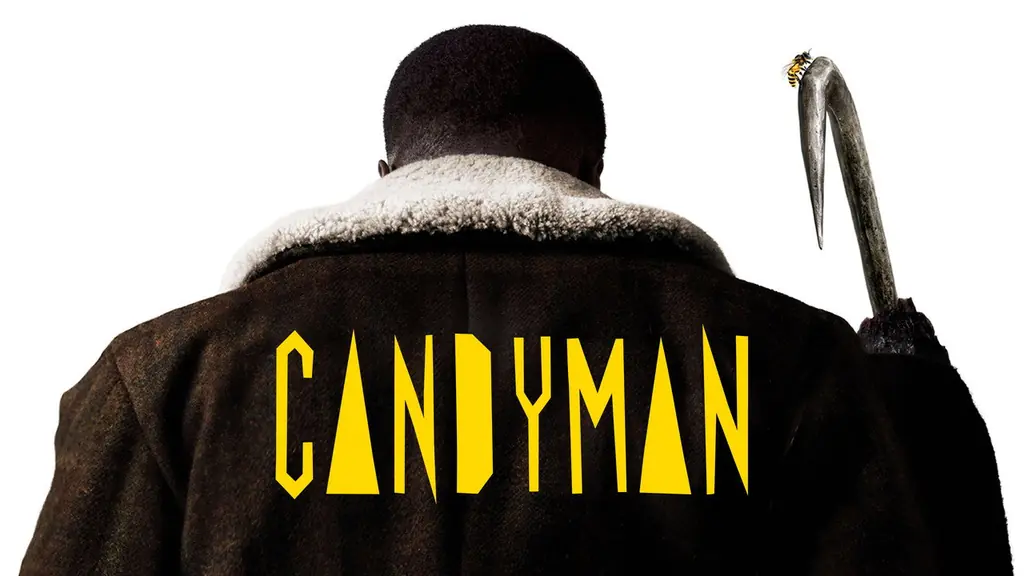
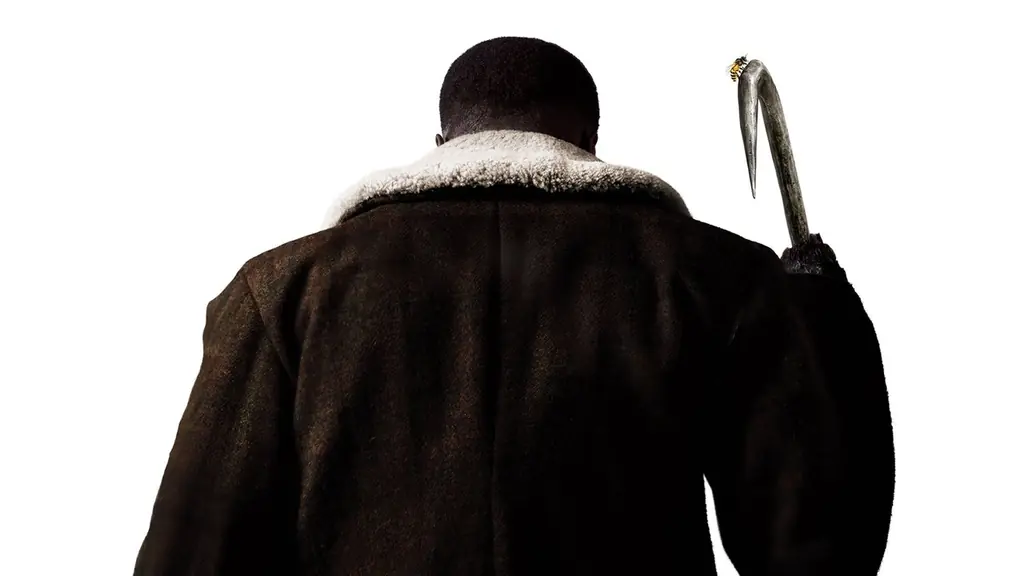
Candyman (2021) is a film of striking contrasts. It boasts a talented cast and genuinely impressive visuals, particularly in its inventive use of mirrors to depict the titular entity. Yet, it struggles to capture the compelling mystery and subtle thematic depth that made the 1992 original a horror classic. While it attempts to be a thoughtful, character-driven horror, its heavy-handed social commentary, uneven pacing, and a less charismatic Candyman ultimately leave it feeling like a missed opportunity. For those who appreciate stylish horror and strong performances, there are moments to savor, but the film ultimately "fell flat" for those seeking the nuanced terror of its predecessor.
What Worked
- Visually stunning direction by [[person:1795072|Nia DaCosta]].
- Strong, committed performances from the entire cast.
- [[person:221980|Nathan Stewart-Jarrett]] delivers effective, understated comic relief.
- Creative and chilling use of mirrors in the horror sequences.
- Attempts to recapture the original's tone as an investigative character piece.
What Didn't Work
- Lacks the nuanced mystery and compelling narrative of the 1992 original.
- Heavy-handed and unsubtle approach to social commentary.
- Pacing issues contribute to a "slow crawl" feeling.
- Weak character development with forced, unearned flashbacks.
- The third act feels disjointed and generic, clashing with the film's initial tone.
- The titular Candyman character lacks the captivating charisma of his predecessor.