Introduction
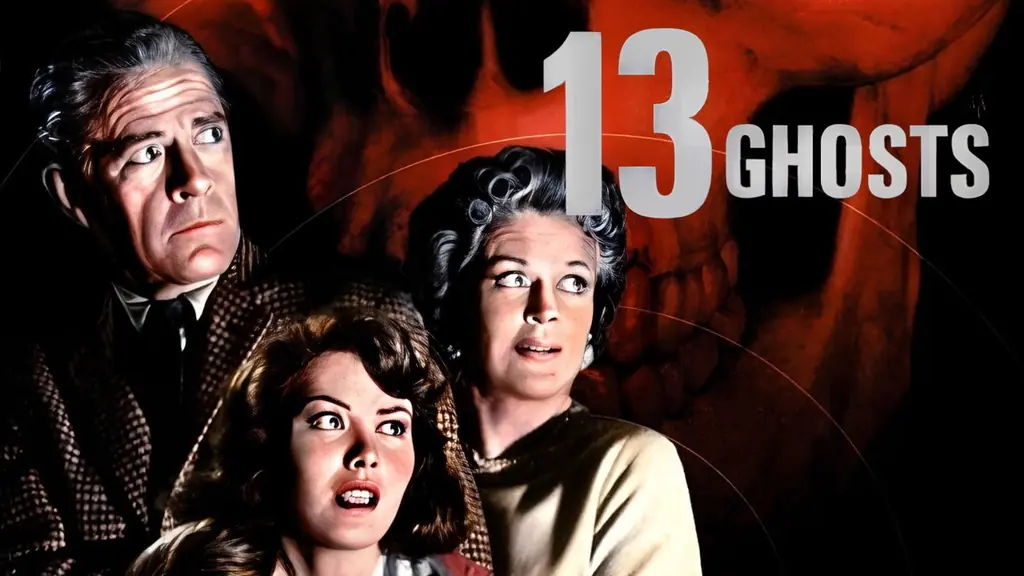
This review aims to address the film 13 Ghosts from 1960, as per the explicit instructions. However, a critical conflict arises: the provided transcript, which serves as the sole source material for critique and analysis, exclusively details the 2001 remake of the film. The instructions strictly forbid hallucination and demand that every critique be grounded directly in the transcript.
The Challenge of Fidelity
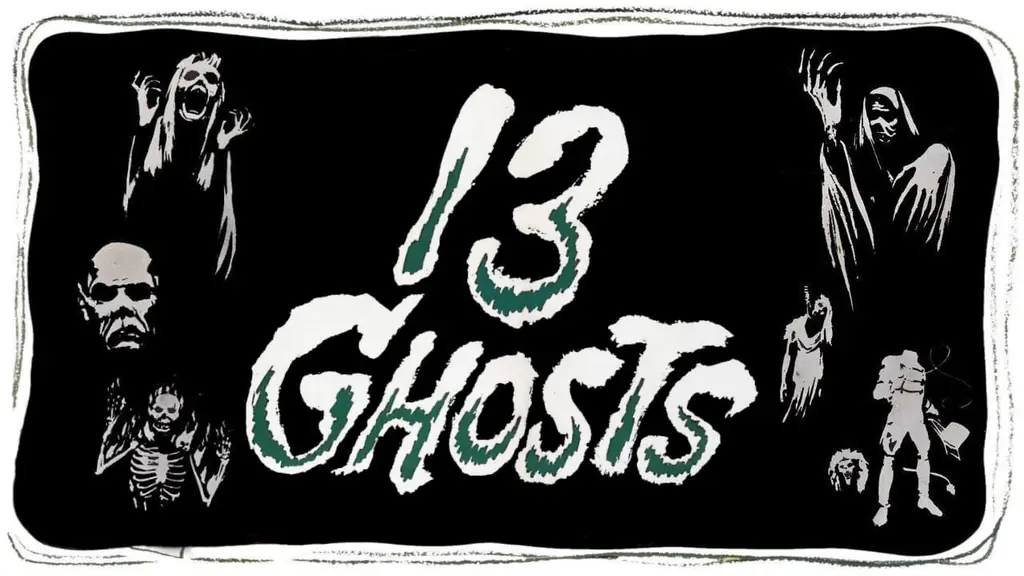
The transcript discusses elements such as an 'industrial' house design, 'jumbled' editing, reliance on 'sound effects with really jumpy shoddy editing,' and specific 'creature designs' including 'the Jackal.' These descriptions are characteristic of the 2001 remake, not the 1960 original, which is known for its 'Illusion-O' gimmick and a distinct visual style. Applying these criticisms or observations to the 1960 film would constitute hallucination, directly violating the 'CRITICAL FIDELITY & ZERO HALLUCINATION (STRICT)' directive.
Unreviewable Content
Given that the source material does not provide any specific insights, critiques, or highlights pertaining to the 1960 version of 13 Ghosts, it is impossible to construct a review that adheres to all the specified constraints. The instruction to 'reviewing ONLY the film in FILM DATA: "13 Ghosts" (1960)' cannot be reconciled with the instruction to 'Ground every single critique... directly in the PROVIDED TRANSCRIPT' when the transcript describes a different film.
Conclusion
Therefore, Screenverse cannot provide a meaningful or accurate review of the 1960 film based on the provided, mismatched transcript. A proper review would require source material relevant to the original production.