Introduction: A Whimsical Prequel
The anticipation for Wonka was palpable, promising a fresh take on a beloved character. Directed by Paul King, known for his enchanting work on the Paddington films, this prequel dives into the formative years of Willy Wonka. While not a direct, one-to-one prequel to the Gene Wilder classic, it cleverly weaves in familiar elements, creating a universe that feels both new and comfortingly nostalgic. The film sets out to explore how a young, penniless, yet chocolate-talented optimist could evolve into the eccentric recluse audiences know, all while battling a formidable chocolate cartel.
The Lead Dynamic & The Action: Chalamet's Charismatic Turn
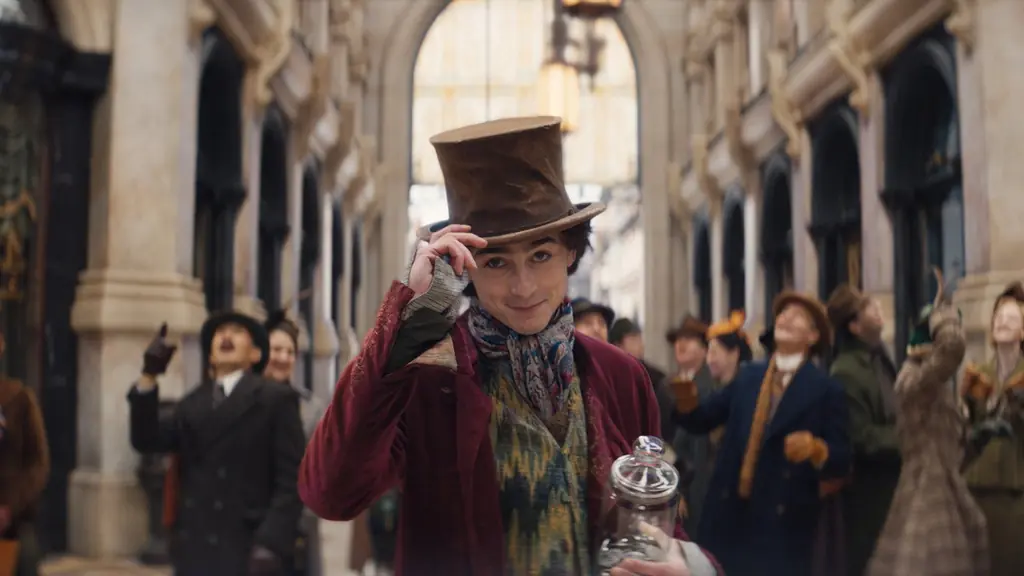
Timothée Chalamet steps into the iconic shoes of a younger Willy Wonka with remarkable charisma, embodying the optimistic spirit crucial for this origin story. His portrayal captures the essence of a budding genius, driven by a desire to share his chocolate creations with the world. The narrative quickly plunges Wonka into a predicament, hustled into debt and servitude alongside a group of fellow unfortunates in a laundry mat. His main motivation becomes clear: earn enough money to free his friends and establish his grand Chocolate Factory. This central conflict, pitting the "little guy" against corporate titans, provides a compelling emotional core, making it easy for audiences to root for Wonka and his dreams.
Cameos, Nostalgia & Narrative Stakes: A Nod to the Past
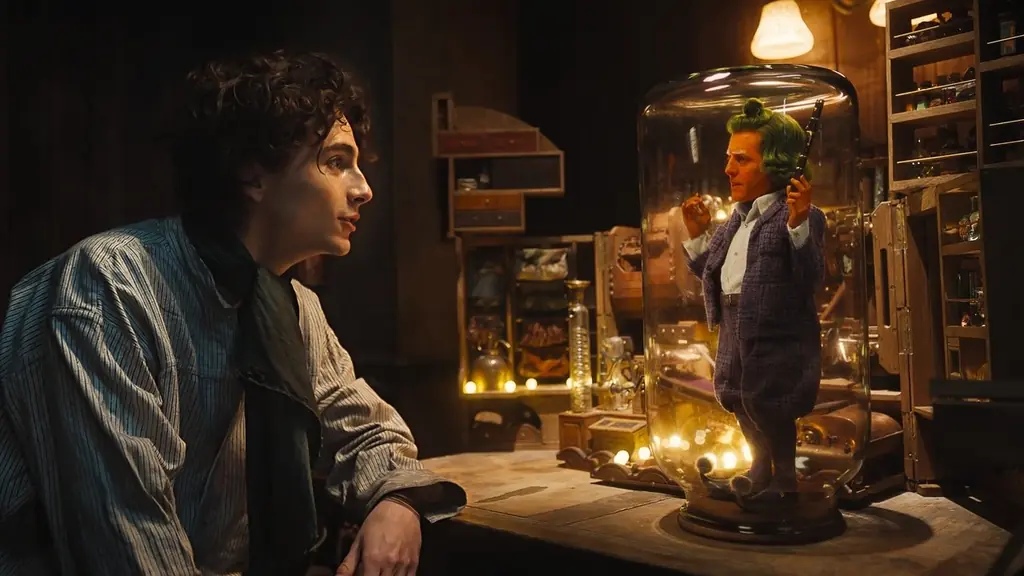
Wonka expertly balances fresh storytelling with respectful nods to its cinematic predecessors. The inclusion of Hugh Grant as an Oompa Loompa, visually reminiscent of the Gene Wilder era, and the incorporation of familiar songs from that version of "Willy Wonka & the Chocolate Factory," are smart choices. These elements pull from a beloved classic without straying too far, a move that fans often appreciate. The film also tackles surprisingly heavy themes for a family movie, exploring entrepreneurship, corruption, and the struggle of small businesses against powerful, aligned adversaries. This underlying depth, combined with the inherent charm of a beloved character, elevates the stakes beyond simple whimsy.
Tone, Direction & Creative Freedom: A Delightful Experience
Paul King's direction crafts a "charming delightfully" atmosphere that permeates the entire film. It's undeniably made for kids and families, yet offers enough thematic richness to keep parents engaged. While some jokes might not land universally, the overall "fun and family magic" is undeniable. The visual aesthetic is extraordinary, almost cartoonish and larger than life. While noticeable CGI and green screen might typically be a distraction, they blend surprisingly well within this fantastical world. Some side character acting occasionally leans towards theatrical projection, akin to a stage play, but it rarely detracts from the overall enjoyment. The first two acts are particularly strong, brimming with the magic of Willy Wonka. The third act, however, introduces an espionage element that, while different, slightly overplays its hand compared to the pure enchantment of the initial chapters.
The Final Verdict: A Joyous Confection
Wonka is a joyous, optimistic confection that delivers a much-needed dose of pure imagination. It's a good time, undeniably, offering a delightful escape into a world of chocolate and dreams. Despite minor stumbles with CGI and some acting choices, the film's heart and charm shine through, making it a truly magical experience. It successfully captures the spirit of its iconic character while forging its own sweet path.
What Worked
- [[person:1190668|Timothée Chalamet]]'s charismatic and optimistic portrayal of young Wonka.
- Expertly blends nostalgia with fresh storytelling, honoring the Gene Wilder classic.
- Explores surprisingly deep themes of entrepreneurship and corporate greed.
- Charming, delightful, and family-friendly atmosphere.
- Visually fantastical and imaginative world-building.
What Didn't Work
- Some jokes occasionally miss the mark for adult viewers.
- Noticeable CGI and green screen, though it blends with the fantastical aesthetic.
- Certain side character acting can feel overly theatrical.
- The third act's espionage element feels a bit out of place compared to the earlier magic.