Introduction
Anticipation for “Wuthering Heights”, Emerald Fennell's take on the classic literary work, ran high. With a star-studded cast and a promise of period drama, audiences were eager to see how this adaptation would breathe new life into the tale of Catherine and Heathcliff. The stage was set for a passionate, perhaps even dark, romantic epic.
The Lead Dynamic & The Action
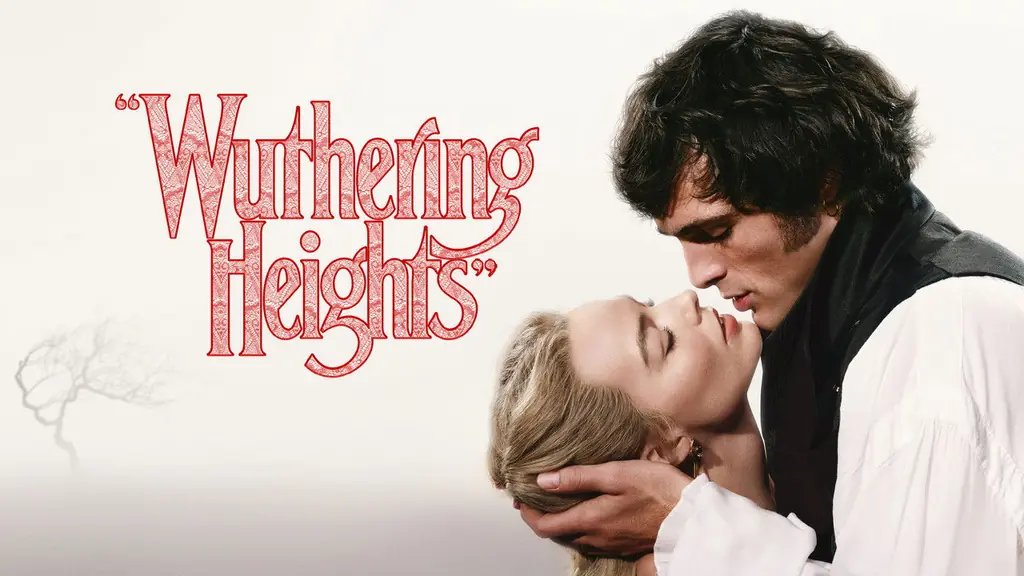
From the outset, the film makes its intentions clear: a deep dive into the tumultuous, often toxic, relationship between Cathy, played by Margot Robbie, and Heathcliff, portrayed by Jacob Elordi. Their chemistry is undeniable, a palpable force that practically leaps off the screen. The film is "primed" to hit the "female psyche" with a bullseye, delivering a level of sexual tension described as "socially acceptable Pornhub for women."
Specific moments highlight this intense dynamic: fingers in the mouth, choking make-outs, face-licking, and a particularly memorable scene where Heathcliff lifts Cathy by her corset to eye level, eliciting audible gasps from the audience. This raw, almost primal, connection between Robbie and Elordi is a central pillar of the film's appeal, making for a "thirsty" viewing experience that leaves little to the imagination.

Cameos, Nostalgia & Narrative Stakes
While the visual spectacle and lead performances are notable, the narrative takes a significant departure from its source material. Critics have noted that “Wuthering Heights” makes an "interesting choice to not adapt the book," leading to a story that, for some, feels disconnected from the original's nuances. The film presents a world populated by "shitty people," with so much pain and misery that it becomes difficult to empathize with any character.
The core issue lies in the portrayal of Cathy and Heathcliff. Despite their passionate connection, they are depicted as deeply flawed, manipulative individuals. The film attempts to contextualize their behavior through generational trauma, suggesting their upbringing shaped their toxicity. However, this often veers into making excuses rather than providing genuine understanding, leaving viewers with "no sympathy whatsoever." The age casting for Cathy, who is canonically younger, also raises questions about the film's interpretation of the characters' motivations and the tragedy of their circumstances.
Tone, Direction & Creative Freedom
Emerald Fennell's direction shines in the film's aesthetic. The production boasts "extravagant" costumes and "huge, engrossing" sets that genuinely transport the audience to the 1700s. Unlike films that rely on green screens, “Wuthering Heights” makes a concerted effort to create an immersive, tangible world. The film also features moments of "tension" and "humor" cleverly woven into the editing, particularly in its dark and somewhat funny opening.
However, the creative freedom taken with the source material, while visually striking, ultimately undermines the emotional core. The film's focus on surface-level execution and the intense, almost cartoonish, toxicity of its leads prevents a deeper connection. It's a film that looks great and delivers on its promise of raw sexual chemistry, but struggles to make its audience care about the fate of its characters.
The Final Verdict
“Wuthering Heights” is a visually opulent and intensely sexualized period drama that prioritizes raw chemistry over narrative fidelity or character empathy. While the performances from Margot Robbie and Jacob Elordi are captivating in their "thirsty" dynamic, the film's unlikable characters and significant deviation from the source material make it a challenging watch. It's a production with undeniable "production merit" in its aesthetics, but one that ultimately fails to forge an emotional bond with its audience, leaving many feeling disconnected and unsympathetic to the tragic fates unfolding on screen. For those seeking a faithful adaptation or a nuanced character study, this interpretation may prove to be a "mess."
What Worked
- Extravagant and engrossing period costumes and sets
- Palpable and intense sexual chemistry between the lead actors
- Some clever moments of tension and humor in the editing
- Visually stunning and immersive production design
What Didn't Work
- Characters are largely unlikable and difficult to empathize with
- Significant deviation from the original novel's narrative and nuances
- Lacks emotional connection and fails to evoke sympathy for the leads
- Surface-level execution that makes excuses for toxic behavior
- Age-inappropriate casting for a key character