Introduction
In a cinematic landscape often dominated by blockbusters, some of the most profound stories slip quietly into theaters, only to be discovered by those seeking something truly special. Such was the case with A Monster Calls, a film that, despite its powerful narrative, didn't quite capture the mainstream attention it deserved upon its release. Yet, for those who found it, this was no ordinary fantasy; it was a raw, emotional journey into the heart of childhood grief, promising a unique blend of imagination and stark reality.
The Lead Dynamic & The Action
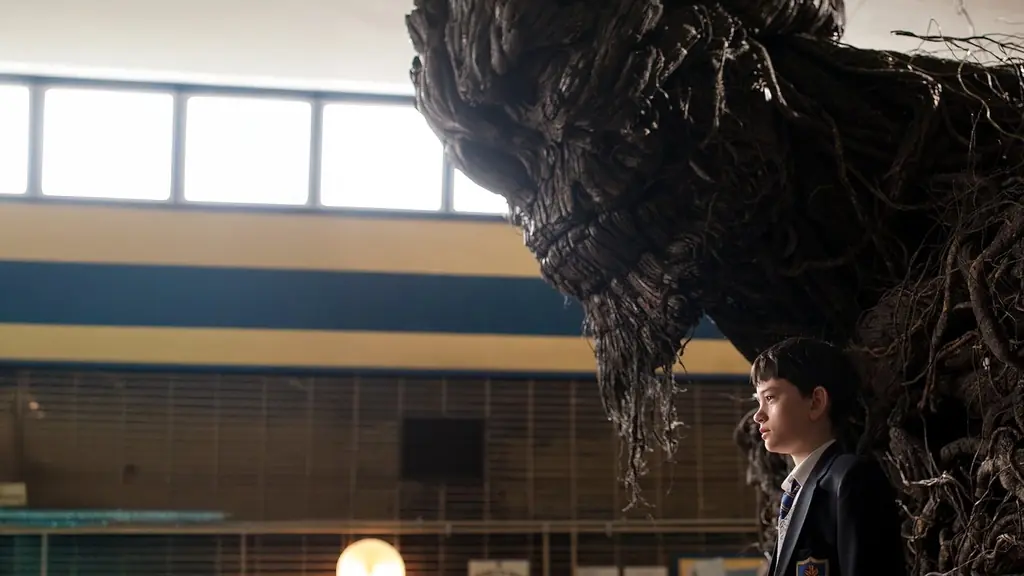
At the core of A Monster Calls is the remarkable performance by young Lewis MacDougall as Conor, a boy wrestling with immense turmoil. His mother is gravely ill, bullies plague his school days, and his father is absent. It's a heavy burden for any child, and MacDougall carries it with an authenticity that is nothing short of captivating. His portrayal anchors the film, making Conor's pain and confusion palpable.
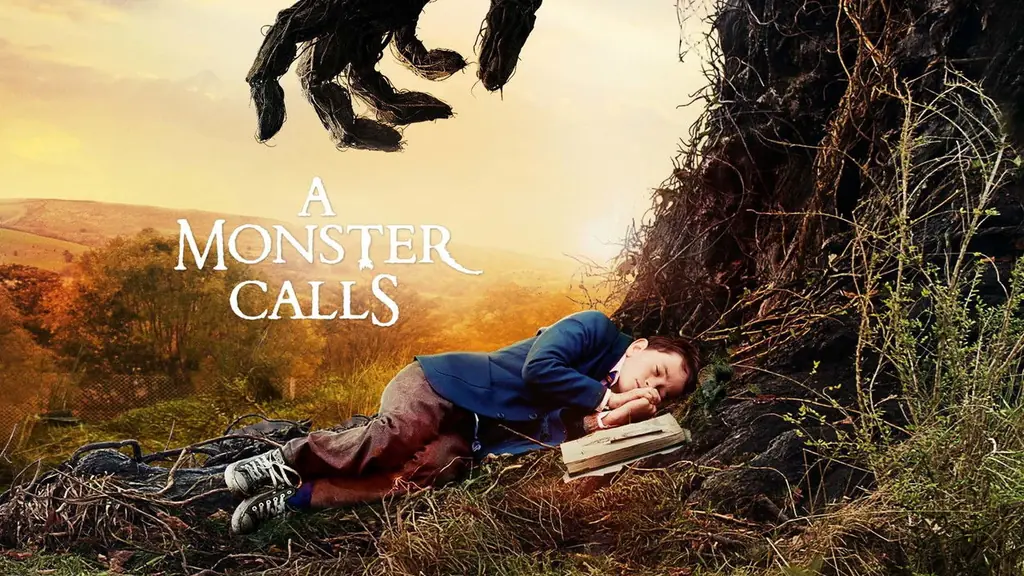
His unlikely confidante comes in the form of a towering, ancient yew tree, brought to life by the commanding voice of Liam Neeson. This isn't your typical friendly giant; Neeson imbues the Monster with an "instant badass" gravitas, a presence that is both comforting and challenging. The Monster doesn't offer easy answers but instead tells Conor three enigmatic stories, each designed to provoke thought and offer a different perspective on his struggles. The genius lies in how these tales unfold, allowing the audience to interpret them alongside Conor, only for the Monster to reveal a deeper, often uncomfortable, truth. It’s a narrative device that keeps viewers engaged, constantly shifting their understanding.
Adding another layer of heartbreaking depth is Felicity Jones as Conor's ailing mother. Jones delivers a "heartbreakingly good" performance, portraying a woman fighting for every moment with her son, serving as his sole anchor in a world that feels like it's crumbling. Her range shines in this dramatic role, making her character's plight deeply affecting.
Cameos, Nostalgia & Narrative Stakes
While the film is primarily focused on Conor's internal journey, brief but impactful appearances round out the cast. Toby Kebbell, as Conor's estranged father, provides moments of much-needed human levity. His character offers "human moments of humor," small nuggets of warmth that punctuate the film's otherwise heavy atmosphere, proving to be a "great element" in balancing the emotional intensity. These aren't mere cameos; they serve to ground Conor's fantastical experiences in a relatable family dynamic.
The true narrative stakes of A Monster Calls lie not in grand battles or epic quests, but in Conor's struggle to accept his reality and, ultimately, to let go. The film masterfully navigates the fine line between imagination and the harsh truths of life, culminating in a resolution that provides both beauty and gravity. It's a story that resonates deeply, exploring the complexities of grief and the difficult path to acceptance.
Tone, Direction & Creative Freedom
Under the direction of J. A. Bayona, A Monster Calls maintains a delicate balance between its fantastical elements and its stark emotional core. The film's tone is consistently poignant, never shying away from the difficult subject matter. Bayona crafts a visually stunning world where the Monster's stories are brought to life with breathtaking animation, contrasting sharply with the grim reality of Conor's everyday life. This creative freedom allows the film to explore its themes without compromise, resulting in a truly unique viewing experience.
However, it's crucial to understand that despite its fantastical premise, this is "not a movie for kids." While trailers might suggest a heartwarming tale of an imaginary friend, the film deals with mature themes of death, loss, and the messy truths of human emotion. It's a film best suited for teenagers, "like 13 on," who can grasp the complex concepts and emotional depth it offers. Younger viewers might find themselves asking why the Monster isn't "beating up the bullies" rather than engaging with the profound messages.
The Final Verdict
A Monster Calls is a profoundly moving and beautifully crafted film that tackles the difficult subject of grief with honesty and imagination. It's a cinematic experience that stays with you long after the credits roll, offering a powerful message about acceptance and the complexities of human emotion. This is a film that is absolutely "worth watching and worth buying on Blu-ray" for its stunning visuals, exceptional performances, and its ability to touch the heart in unexpected ways. It's a testament to storytelling that dares to be both beautiful and brutally honest.
What Worked
- Exceptional, heartfelt performance from Lewis MacDougall.
- Liam Neeson delivers a commanding and nuanced voice performance as the Monster.
- Felicity Jones provides a deeply moving and authentic portrayal of a mother battling illness.
- A profound and mature exploration of grief, loss, and acceptance.
- Visually stunning animation brings the Monster's stories to life beautifully.
What Didn't Work
- Misleading marketing might suggest a children's film, but its themes are too mature for young audiences.
- The film's heavy emotional content can be intense and challenging for some viewers.
- Underperformed at the box office, indicating it was overlooked by many potential viewers.