A Thrilling Turn to the Terrifying
When John Krasinski, known for his comedic chops, stepped behind the camera to direct a thriller, the industry took notice. The result, A Quiet Place, is a masterclass in suspense that proves a comedic background can indeed birth a truly effective genre film. This isn't just another horror flick; it's a finely tuned thriller that plunges audiences into a world where the slightest whisper can mean instant death.
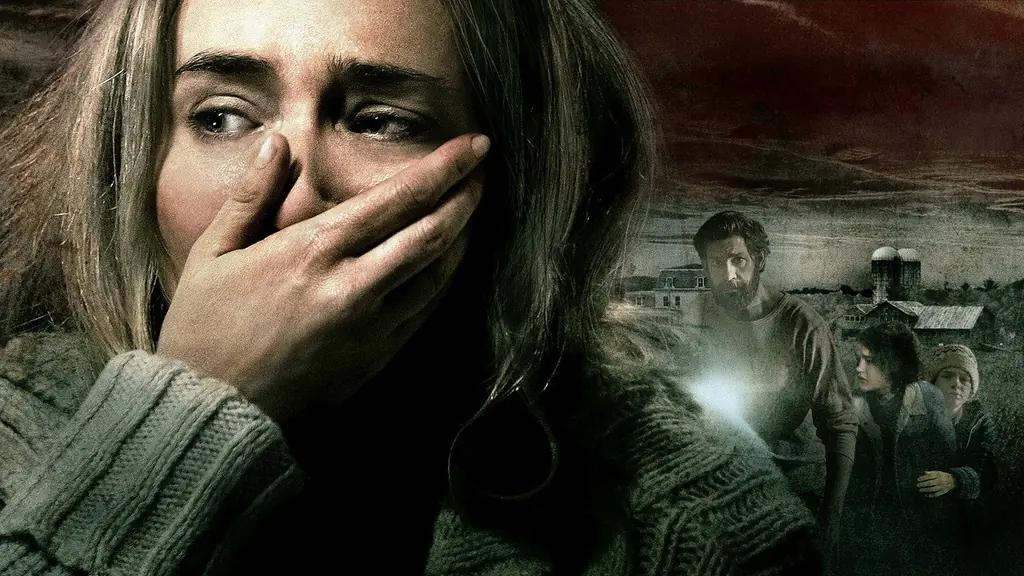
The premise is chillingly simple: a family navigates a post-apocalyptic landscape infested with creatures drawn to sound. The film immediately pulls you into this terrifying reality, making you, the viewer, acutely aware of every rustle and creak. It's a rare cinematic feat when an audience collectively holds its breath, but A Quiet Place achieves just that, turning even the crinkle of a candy wrapper into a moment of high drama.
The Power of the Unspoken Word
The performances are nothing short of phenomenal. John Krasinski and Emily Blunt anchor the film with raw, palpable emotion, but it's the children, particularly Millicent Simmonds and Noah Jupe, who truly shine. In a world where verbal communication is a death sentence, their ability to convey fear, love, and desperation through facial expressions and body language is extraordinary. Sign language becomes their primary form of communication, transforming intense conversations into silent ballets of urgency and terror.
This reliance on non-verbal cues forces the audience to lean in, to observe every subtle gesture, making the experience incredibly immersive. The film brilliantly illustrates how un-stealthy humans are by nature, highlighting the constant, perilous struggle to simply exist without making a sound. It's a testament to the cast's talent that this unconventional approach not only works but elevates the entire narrative.
A Lived-In World of Desperate Survival
A Quiet Place excels at building a believable, lived-in world. While the broader apocalyptic scenario remains largely unseen, the film meticulously details the family's ingenious system for survival. From their carefully planned routes to their methods for securing food, every aspect of their existence demonstrates remarkable adaptability. This isn't a story that leaves you wondering "how have they survived this long?"; it shows you, step by terrifying step.
The narrative effectively balances the immediate threats with the underlying emotional toll. The constant suppression of noise means the family can't scream, can't cry, can't release the immense pain and anger they carry. This creates a unique kind of hell, where emotional catharsis is a luxury they cannot afford, amplifying the tension and making every close call feel even more suffocating.
Masterful Direction and Unrelenting Tension
John Krasinski's direction is precise and impactful. The film preys on the audience's primal fight-or-flight instincts, often leaving viewers frozen in their seats. A particularly genius moment involves the manipulation of sound, where ambient noise drops out when the camera focuses on the deaf daughter, only to return with a jarring intensity when shifting to her hearing brother. This clever technique not only highlights a character's perspective but also underscores the stark contrast between silence and sound, and the ever-present danger.
While the film is largely a triumph, it does have a few moments that feel a touch familiar or drawn out. There are instances where certain scenarios, though intense, stretch beyond their natural conclusion, and a few clichés creep in. The ending, in particular, has proven divisive for some, leaving a feeling of abruptness rather than satisfying closure.
The Final Verdict
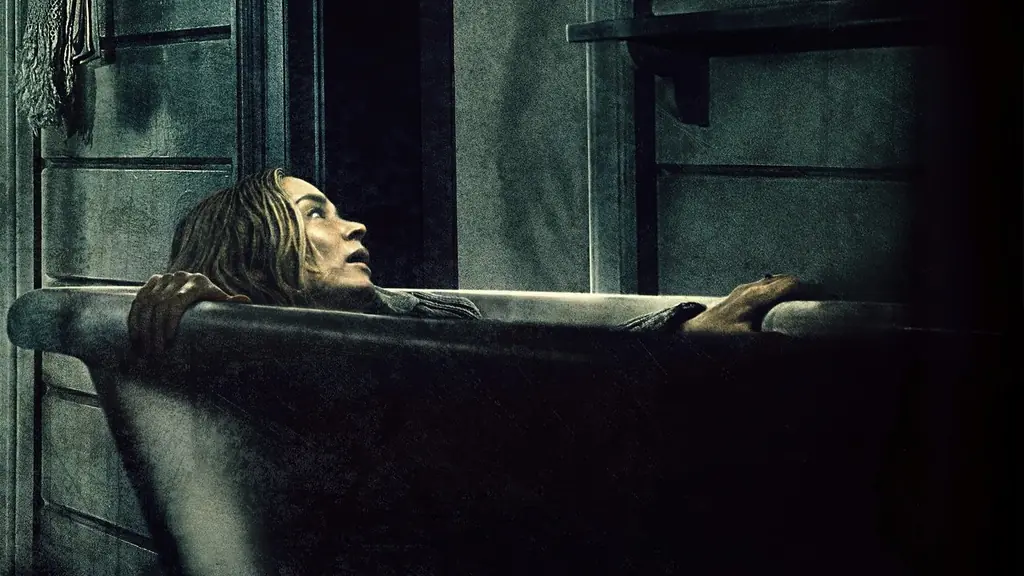
Despite minor quibbles, A Quiet Place is an absolute must-see. It's a film that demands your full attention, white-knuckling you through its runtime and leaving a lasting impression. It's a rare cinematic experience that makes you reflect on the human reliance on noise and the profound impact of its absence. This is a film worth watching, and indeed, worth owning, to share with anyone who appreciates a truly unique and terrifying thriller.
What Worked
- Exceptional performances from the entire cast, especially the children.
- Masterful use of silence to build unbearable tension and immersion.
- Brilliant sound design that manipulates audience perception.
- Effective world-building and depiction of human adaptability.
- Explores the profound impact of suppressed emotion and communication.
What Didn't Work
- Some moments feel cliché or drawn out.
- The ending may not satisfy all viewers.
- Specific scenarios occasionally overstay their welcome.