Introduction
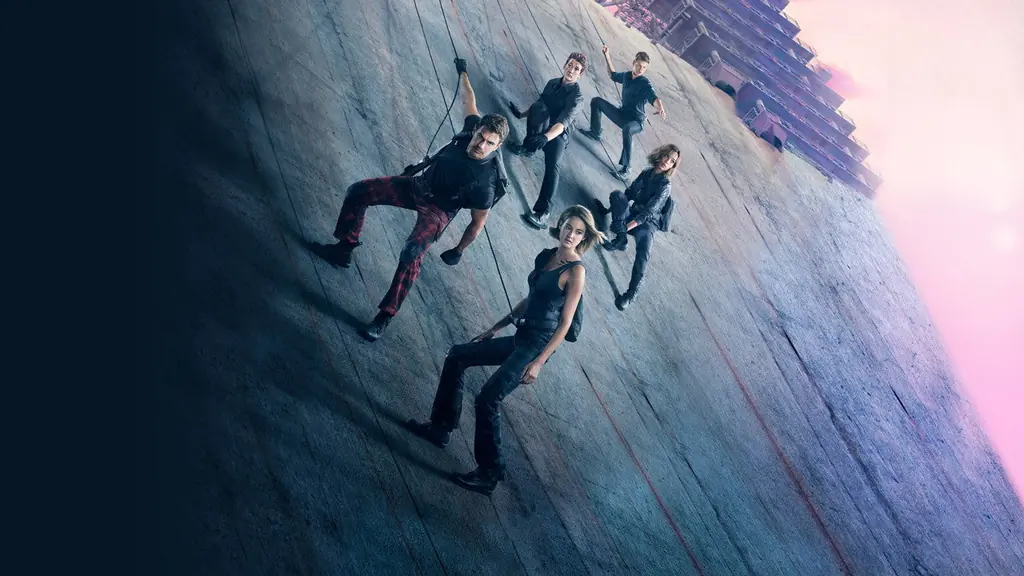
The mid-2010s were a boom time for young adult dystopian narratives on the big screen, and the Divergent series was a prominent player in this crowded field. With Allegiant, the third installment, audiences were poised to see the saga continue, promising an escape from the familiar confines of Chicago. Here, Tris (Shailene Woodley) and her loyal companions finally breach the wall, venturing into a desolate, "baren ass red Wasteland." Their journey leads them to a seemingly utopian society, overseen by the enigmatic David (Jeff Daniels), where the promise of rebuilding a fractured world is dangled before them. However, from the very first frames, a pervasive sense of predictability settles in, making it clear that this narrative, despite its new setting, feels all too familiar and, frankly, uninspired. The initial intrigue of the series quickly dissipates, replaced by a feeling that the story is merely going through the motions, adhering strictly to a well-worn formula.
The Lead Dynamic & The Action
The emotional core of Allegiant is meant to revolve around Tris's leadership and her evolving relationships, yet her portrayal by Shailene Woodley often comes across as disengaged. Even during moments designed to be high-stakes or emotionally resonant, Tris's performance remains notably wooden, making it genuinely challenging for viewers to invest in her plight or truly root for her character. It's a significant drawback when the protagonist feels so detached. In stark contrast, Miles Teller, reprising his role, injects a much-needed jolt of snarky, cynical energy. His character, often described as a "snarky shitthead," provides a refreshing counterpoint to the film's otherwise earnest but dull tone. It feels as though Teller, recognizing the film's inherent flaws, decided to simply "have fun with it," and his commitment to this playful cynicism is arguably the most engaging aspect of the entire production. Without his presence, the film would be even more devoid of personality. While the movie attempts to deliver on action sequences, from futuristic chases to confrontations in the desolate landscape, these moments often lack the punch and originality needed to stand out, blending into a forgettable backdrop of generic sci-fi spectacle.
Cameos, Nostalgia & Narrative Stakes
Allegiant struggles profoundly with narrative originality and coherence. The plot unfolds with a frustrating predictability, echoing countless other young adult dystopian entries to the point where it feels like a direct rehash. The reviewer noted a strong resemblance to "The Scorch Trials," highlighting a pervasive sense of "I've seen this movie" before. The film introduces wildly imaginative, albeit often nonsensical, concepts, such as advanced surveillance technology that allows characters to monitor anyone, anywhere, through "cameras that don't even exist." While this showcases an "absurd imagination," it frequently leads to plot points that defy logic and undermine the internal consistency of the world. The narrative's construction is notably "sloppy," failing to build genuine stakes or emotional resonance. The story meanders, hinting at grand revelations and climactic confrontations, only to culminate in an abrupt and deeply unsatisfying conclusion. The film simply cuts to credits, leaving audiences with a sense of an unfinished, "phoned-in" saga rather than a compelling or conclusive chapter. This lack of a proper ending further solidifies the impression that the movie was more concerned with setting up future installments than delivering a satisfying story in its own right.
Tone, Direction & Creative Freedom
Under the direction of Robert Schwentke, the film's tone often feels inconsistent, oscillating between attempts at serious dystopian drama and moments that border on unintentional absurdity. There's a pervasive feeling throughout the production that the creative team was merely going through the motions, prioritizing the fulfillment of contractual obligations over genuine artistic vision. The pacing frequently drags, and the narrative choices suggest a distinct lack of bold ambition or the creative freedom necessary to truly elevate the material. It's a movie that seems acutely aware of its place within a "dime a dozen" genre of young adult adaptations and, rather than striving for distinction, appears to exploit this reality. The result is a viewing experience that feels less like a carefully crafted cinematic endeavor and more like a mass-produced commodity, ultimately proving to be largely forgettable in the grand scheme of dystopian cinema. The film's construction feels less like a passion project and more like a calculated, albeit uninspired, continuation of a franchise.
The Final Verdict
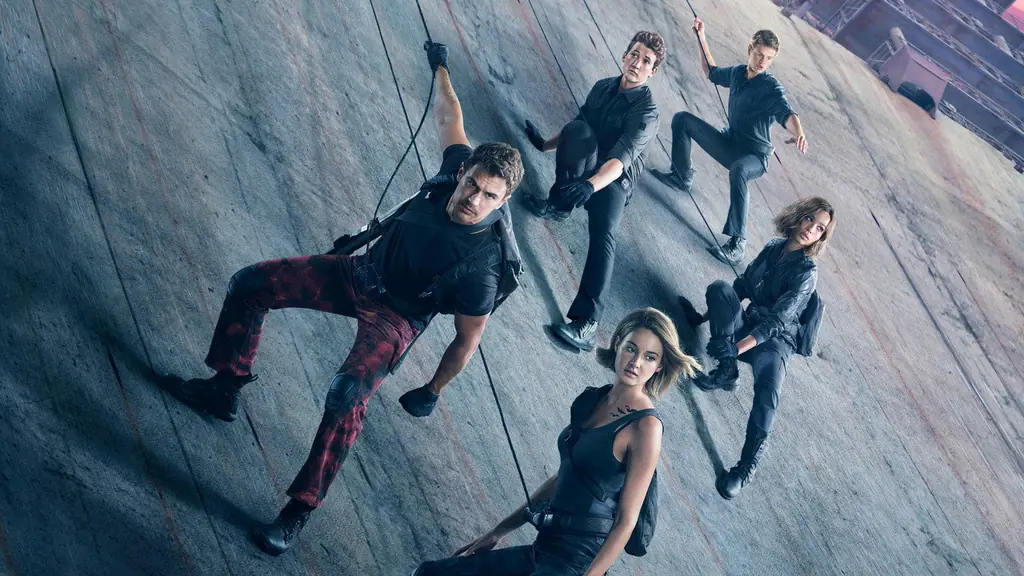
Ultimately, Allegiant is a film that struggles immensely to justify its existence, let alone its place as a significant chapter in a once-promising series. It delivers a predictable, often nonsensical, and largely uninspired entry into an already crowded genre, offering precious little in the way of genuine excitement, emotional investment, or memorable moments. While Miles Teller manages to inject some much-needed personality and cynical charm, his efforts are not enough to salvage the overall experience. The film feels like a "phoned-in" adaptation, a product of a franchise that has run out of steam and original ideas. It's a movie that will likely be forgotten almost as soon as the credits roll, leaving behind only the faint echo of a missed opportunity and a saga that overstayed its welcome.
What Worked
- [[person:996701|Miles Teller]] injects a snarky, engaging energy.
- Features some wildly imaginative (if nonsensical) world-building.
What Didn't Work
- A highly predictable plot that rehashes familiar YA tropes.
- [[person:94185|Shailene Woodley]]'s performance feels disengaged and wooden.
- The narrative suffers from a "phoned-in" approach to storytelling.
- An abrupt and unsatisfying conclusion that leaves little impact.