Introduction
The promise of a compelling video game adaptation often ignites a spark of hope, and Assassin's Creed arrived with the weight of a beloved franchise on its shoulders. Audiences anticipated a thrilling dive into historical intrigue and acrobatic combat, eager to see the rich lore of the games brought to life on the big screen. However, this cinematic venture quickly proves to be yet another testament to the challenges of translating interactive narratives into passive viewing experiences.
The Lead Dynamic & The Action
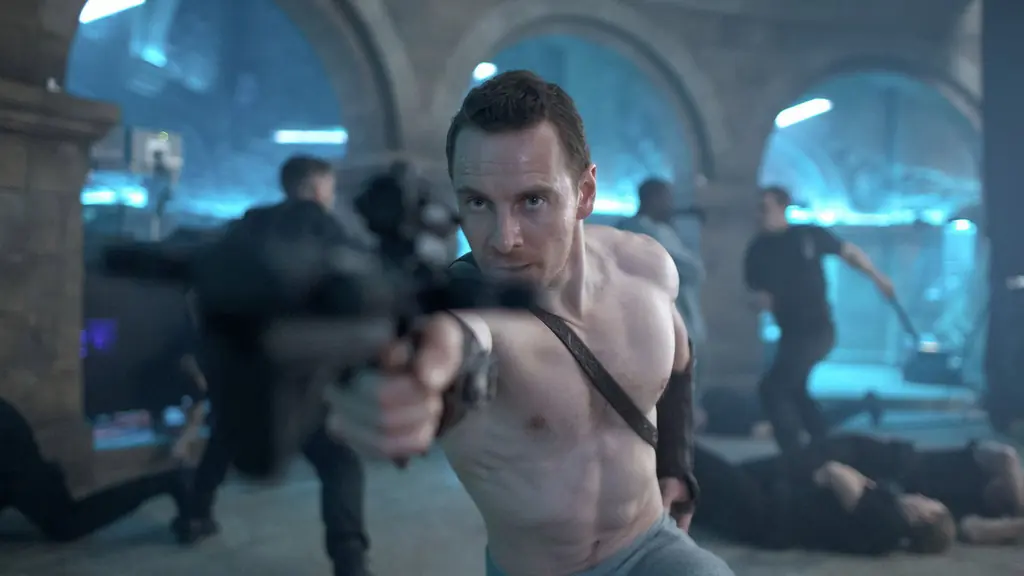
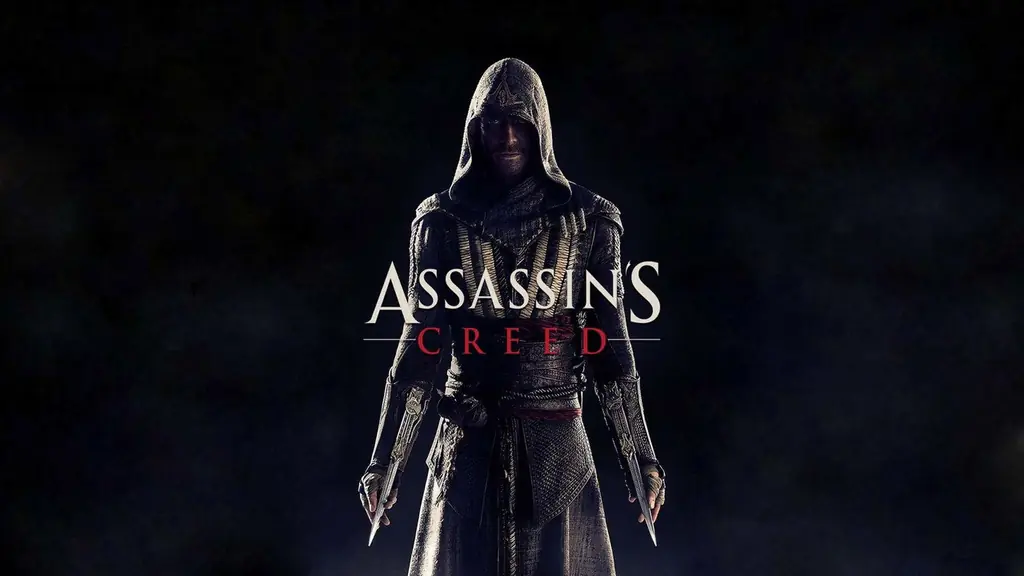
The film centers on Michael Fassbender as Callum Lynch, who, through the Animus, relives the memories of his 15th-century Spanish ancestor, Aguilar. While the concept of genetic memory is undeniably cool, the execution falters significantly. The core issue lies in the film's inability to commit to its most engaging elements. Action sequences, particularly those set in the past, are frequently interrupted by jarring cuts back to the present day. Viewers are repeatedly pulled out of the immersive historical battles to witness Callum miming the actions in the Animus, a creative choice that severely disrupts the flow and prevents any genuine connection to the thrilling moments. It's like watching a 3D movie constantly switching to 2D, forcing a constant readjustment that ultimately frustrates rather than engages.
Cameos, Nostalgia & Narrative Stakes
Assassin's Creed boasts an interesting premise: a secret society, an ancient artifact, and a battle for humanity's free will. The film does incorporate accurate lore from the games, which might appeal to dedicated fans. However, the narrative stakes are consistently undermined by the film's structure. The most entertaining aspects, the historical sequences featuring the assassins, are treated as mere "video game demos" – brief, tantalizing glimpses before being yanked back to the sterile, uninteresting confines of Abstergo in the present. Despite the presence of talented actors like Marion Cotillard and Jeremy Irons, their efforts in the modern-day storyline are largely wasted, as the present-day narrative feels "boring as shit" and "sloppily done," failing to provide any compelling reason to linger outside the past. The film sets up a potential sequel, but given its reception, that future seems unlikely.
Tone, Direction & Creative Freedom
Justin Kurzel's direction struggles to balance the two timelines effectively. The film's tone oscillates between intriguing historical action and tedious modern-day exposition, never quite finding its footing. While the core concept of the Animus and genetic memory is strong, the creative choices made in its cinematic adaptation actively detract from its potential. The constant back-and-forth between timelines, particularly during crucial action scenes, demonstrates a fundamental misjudgment of pacing and audience engagement. The film had a "good movie in this movie," but it was consistently sidelined in favor of less compelling elements, leaving viewers wishing the filmmakers had simply kept the protagonist "in the machine" and immersed in the more captivating past.
The Final Verdict
Ultimately, Assassin's Creed is a frustrating experience. Despite a cool premise and moments of accurate lore, its execution is marred by a fundamental misunderstanding of what makes the source material engaging. The film's insistence on spending too much time in the dull present, coupled with jarring editorial choices during action sequences, prevents it from ever truly soaring. While the actors deliver solid performances within their limited scope, they cannot salvage a narrative that consistently pulls its punches. This is a film that, despite its potential, is unlikely to leave a lasting impression.
What Worked
- Intriguing core premise of genetic memory and the Animus.
- Accurate incorporation of Assassin's Creed game lore.
- Strong performances from [[person:17288|Michael Fassbender]], [[person:8293|Marion Cotillard]], and [[person:16940|Jeremy Irons]].
- A few entertaining action sequences set in the historical past.
What Didn't Work
- Excessive and unengaging focus on the present-day Abstergo storyline.
- Jarring cuts between past and present, disrupting action scenes.
- Fails to translate the video game experience effectively to film.
- Pacing issues that make the film feel tedious and "sloppily done."