Introduction
Thirty years ago, a cinematic phenomenon burst onto screens, forever changing the landscape of adventure films. Back to the Future arrived with a promise of time-traveling thrills, comedic mishaps, and a heart that resonated with audiences of all ages. From the moment the DeLorean first hit 88 miles per hour, viewers were hooked, anticipating a wild ride that would become an indelible part of pop culture history. This is not just a movie; it's a cherished childhood memory for countless fans, a film that, even decades later, feels as fresh and exciting as ever.
The Lead Dynamic & The Action
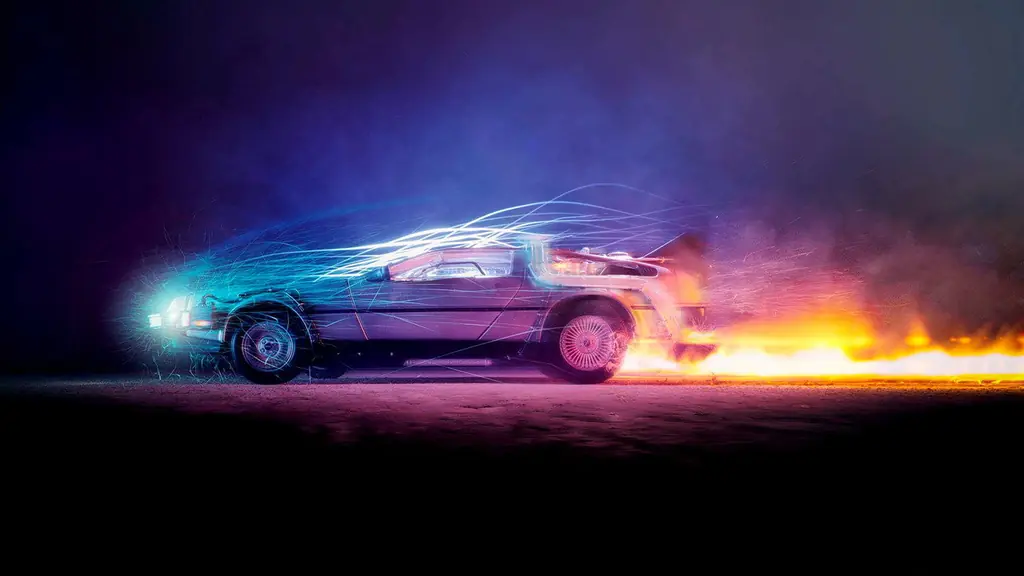
At the heart of Back to the Future lies the undeniable, electric chemistry between Michael J. Fox as the aspiring musician Marty McFly and Christopher Lloyd as the eccentric inventor Doc Brown. Their dynamic is the engine that drives the film, a bond so natural and engaging it rivals legendary pairings like Harrison Ford and Sean Connery. When Doc calls Marty to a deserted mall parking lot in the dead of night to unveil his time-traveling DeLorean, the stage is set for chaos. The sudden, violent arrival of Libyan terrorists, leading to Doc's apparent demise and Marty's desperate escape, immediately plunges the audience into a high-octane chase. Marty's accidental journey to 1955, his frantic search for a younger Doc, and the ingenious plan to harness a lightning strike on the clock tower for the 1.21 gigawatts needed to return home, all build to an incredibly intense climax. The sequence where Marty races against time, the DeLorean struggling to start, and Doc precariously dangling from the clock tower, remains one of cinema's most thrilling finales, perfectly underscored by an iconic theme. It's a moment that has been rewatched countless times, a testament to its enduring power.
Cameos, Nostalgia & Narrative Stakes
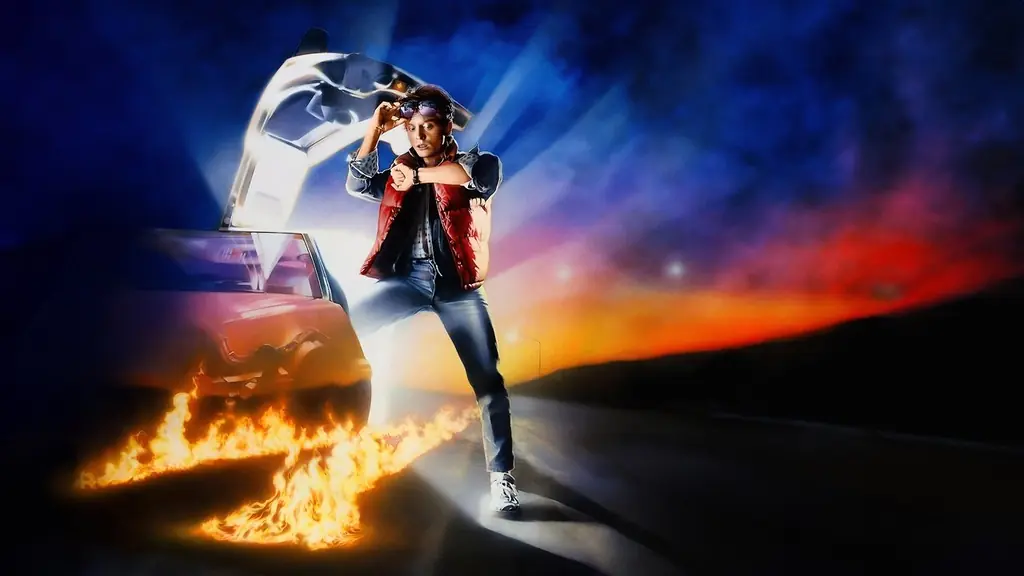
The narrative stakes in Back to the Future are deeply personal and immediately relatable. Marty's accidental intervention in his parents' first meeting creates a terrifying paradox: his very existence begins to unravel. This central conflict, where Marty must play matchmaker for his own parents while simultaneously avoiding his mother's romantic advances, provides both humor and genuine tension. The film expertly navigates the delicate balance of nostalgia and narrative progression. Crispin Glover delivers a wonderfully quirky performance as the young George McFly, Marty's timid father, while Lea Thompson shines as the young Lorraine Baines. The film also introduces one of cinema's most memorable bullies, Biff Tannen, played with menacing charm by Thomas F. Wilson. Watching Marty stand up to Biff, especially in the climactic dance scene, is incredibly liberating, a moment of pure satisfaction for anyone who has ever faced a tormentor. The film's resolution, where Marty returns to a vastly improved 1985 thanks to his actions in the past, offers a powerful message about standing up for oneself and the ripple effects of courage.
Tone, Direction & Creative Freedom
Robert Zemeckis's direction of Back to the Future is a masterclass in tone. The film effortlessly blends adventure, comedy, and science fiction, creating a cohesive and universally appealing experience. It's a movie that truly is "good for all ages," not just kids or adults, but everyone. The way it explains complex time travel concepts, using simple, visual demonstrations with Doc's dog, ensures that even a five-year-old can grasp the mechanics. This accessibility, combined with a relentless pace and a sense of boundless creative freedom, allows the film to feel both grand in scope and intimately personal. It's a testament to a time when studios allowed filmmakers to craft truly unique and imaginative stories without excessive corporate interference. The film's timeless quality is not just about its subject matter but its execution, proving that a well-told story, brimming with heart and humor, never ages.
The Final Verdict
Back to the Future is, without a doubt, one of the quintessential adventure movies ever made. It's a rare cinematic gem that defies simple categorization, being simultaneously an adventure, a comedy, and a sci-fi marvel. This is a film that truly embodies the phrase "they don't make them like this anymore." It's a timeless, "awesome-tacular" experience that continues to captivate new generations while delighting long-time fans. From its iconic characters and unforgettable score to its thrilling plot and heartwarming message, Back to the Future remains a gold standard for family entertainment. It's a movie to watch, rewatch, and cherish for a lifetime.
What Worked
- Unbeatable chemistry between the leads.
- Engaging, high-stakes plot.
- Perfectly balances adventure, comedy, and sci-fi.
- Accessible time travel explanation for all ages.
- Satisfying character arcs and resolution.
What Didn't Work
- Minor plot contrivances (car dying, unexplained relationship).
- One brief, awkward dance sequence feels out of place.
- The initial setup of Doc and Marty's friendship is glossed over.