Introduction
The internet's most unsettling urban legend finally makes the leap to the big screen with Backrooms. Audiences have long been captivated by the concept of stumbling into a liminal, endless retail hell, a malignant version of reality where nothing quite makes sense. This film, directed by Kane Parsons, the very YouTuber who popularized the lore, arrives with the promise of translating that unique digital dread into a full-length cinematic experience. The anticipation was palpable: could the dreamlike, architectural nightmare of the Backrooms truly be brought to life, or would it simply feel like an overextended creepypasta?
The Lead Dynamic & The Action
At its core, Backrooms follows a store owner, played by the reliably excellent Chiwetel Ejiofor, who inadvertently finds himself trapped in this bizarre dimension. Ejiofor, as always, clocks in a strong performance, anchoring the film even when the script occasionally falters. He navigates a world where objects grow without function, mirroring the unsettling nature of tumors growing hair and teeth – a truly disturbing visual metaphor. The film excels in establishing this tone, evoking that universal nightmare of being lost in an unknown, endless space where something unseen might be lurking.
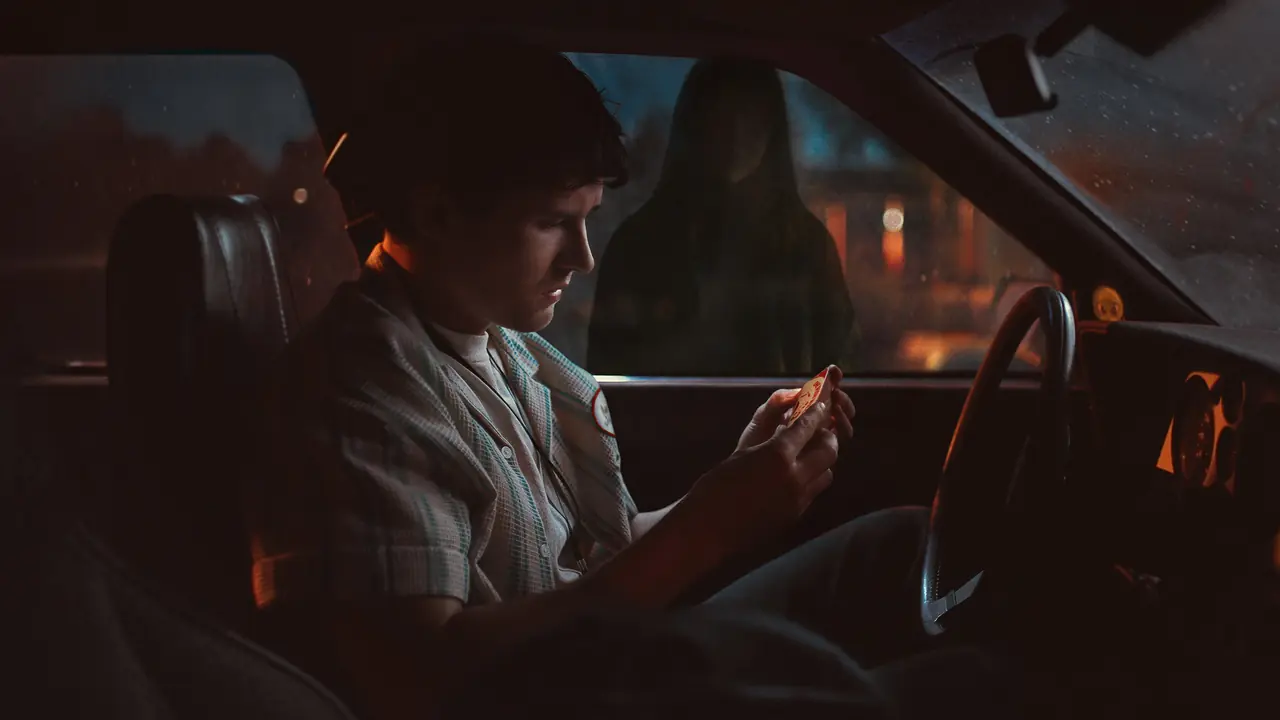
Where Backrooms truly hits its stride is in its found footage elements. Set in the '90s, these sequences, captured on a camcorder, inject a raw, visceral intensity that the rest of the film sometimes lacks. While the found footage genre might feel played out to some, here it proves incredibly effective, locking viewers into the protagonist's desperate search for an exit. The camera swings, revealing subtle shifts in the environment, creating a palpable sense of unease. These moments are the film's most intense, proving that even an "overused" formula can still deliver when executed with precision.
Cameos, Nostalgia & Narrative Stakes
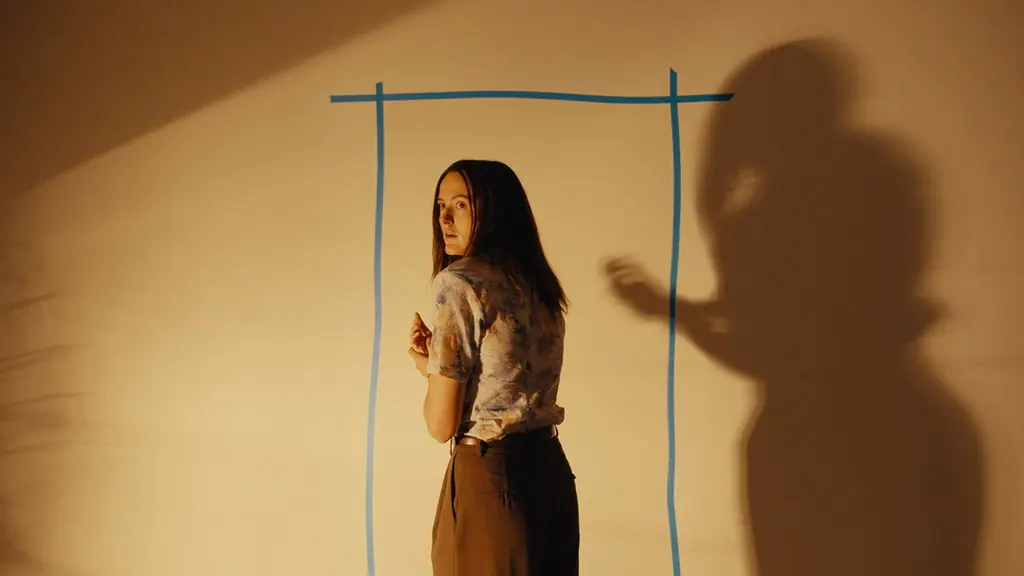
Despite the strong performances from Ejiofor and Renate Reinsve, the script doesn't always serve its talented cast. There are moments, particularly when dealing with heavy emotional unpacking, where the dialogue feels jarringly "cartoonish," leading to unintentional chuckles rather than genuine pathos. This suggests that Parsons might have bitten off more than he could chew in certain narrative beats.
The film's pacing also suffers outside of its found footage segments. What begins as a slow burn of intrigue can, at times, simply feel slow, with the mystery melting away into a meandering exploration. This is compounded by a runtime that feels stretched. At an hour and forty-five minutes, the film could have easily been trimmed to ninety minutes, especially considering a final act that feels "tacked on." This concluding segment largely shifts focus to a different character, despite Renate Reinsve being prominently featured on the poster, and feels disconnected from the journey we've been on, leaving the narrative stakes feeling somewhat diluted.
Tone, Direction & Creative Freedom
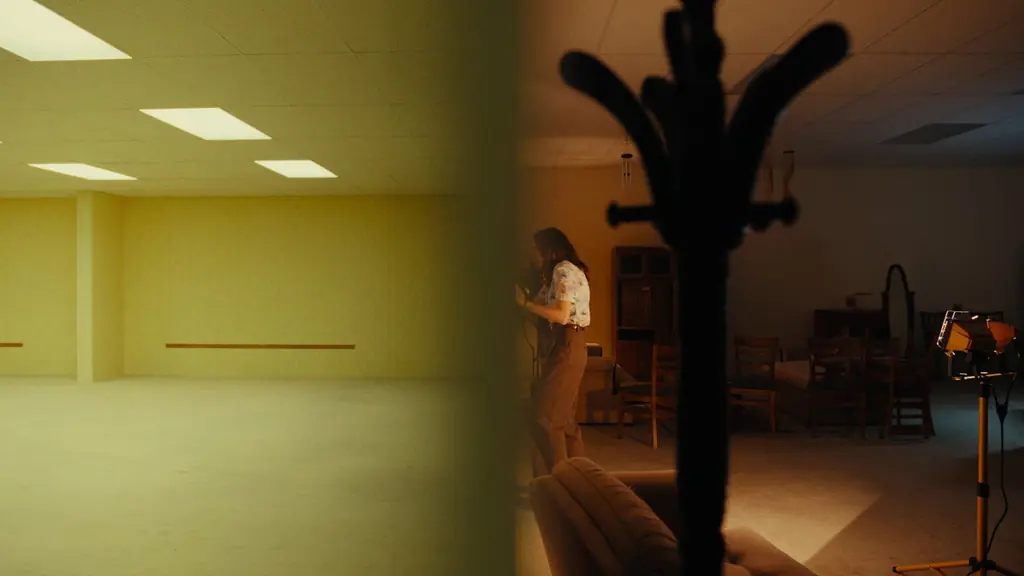
Kane Parsons demonstrates a clear understanding of the Backrooms' unsettling tone. The film successfully captures the architectural illogic and pervasive dread of the internet phenomenon. However, what's truly surprising is Parsons' natural affinity for comedy. Amidst the horror, there are genuinely funny moments that land perfectly, eliciting laughs from the audience. These intentional comedic beats, often dark in nature, provide a welcome counterpoint to the pervasive unease, making the film more interesting than outright terrifying for some viewers. It's a testament to Parsons' directorial eye that he can weave these disparate tones together, even if the overall script struggles with consistency. The production look is solid, and the camera work effectively conveys the claustrophobic atmosphere, making it particularly potent for those with a phobia of endless, inescapable spaces.
The Final Verdict
Backrooms is a visually compelling and tonally effective adaptation of its internet source material. While it boasts strong performances and genuinely intense found footage sequences, its narrative ambition sometimes outstrips its execution, leading to uneven pacing and a script that occasionally misses the mark. It's a film that will undoubtedly resonate most deeply with those already initiated into the lore, offering a solid, claustrophobic experience. For newcomers, it might feel like a fascinating, if flawed, journey into a nightmare dimension. Ultimately, it’s a unique horror offering that, despite its stumbles, delivers a memorable, unsettling trip into the unknown.
What Worked
- Effective, unsettling tone that captures a nightmare logic.
- Intense and immersive found footage sequences.
- Strong performances from [[person:5294|Chiwetel Ejiofor]] and [[person:1576786|Renate Reinsve]].
- Surprisingly well-executed comedic moments.
- Solid production design and camera work.
What Didn't Work
- Inconsistent script with "cartoonish" dialogue in serious moments.
- Pacing issues, with some exploration scenes feeling slow.
- Overly long runtime, especially a "tacked-on" final act.
- More likely to resonate with existing fans of the lore.