Introduction
From the moment the lights dim, Obsession plunges audiences into a modern-day dating nightmare, proving that sometimes, the most terrifying monsters aren't supernatural beasts, but the ones we create ourselves. Directed by Curry Barker and starring Michael Johnston and Inde Navarrette, this film takes a seemingly innocent premise—a passive guy with a crush—and twists it into a genuinely unsettling experience. Our protagonist, a man who struggles to "shoot his shot," stumbles upon a magical trinket. With a crack, he wishes for his crush to love him more than anyone else on the planet. What follows is not a romantic comedy, but a descent from unsettling to absolute madness, hammering home the timeless lesson: be careful what you wish for.
The Lead Dynamic & The Action
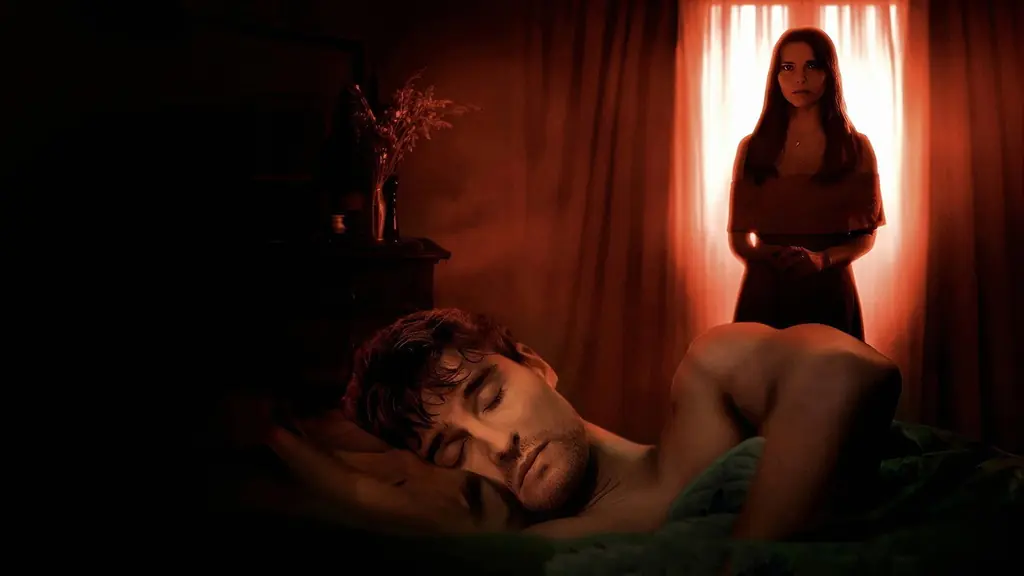
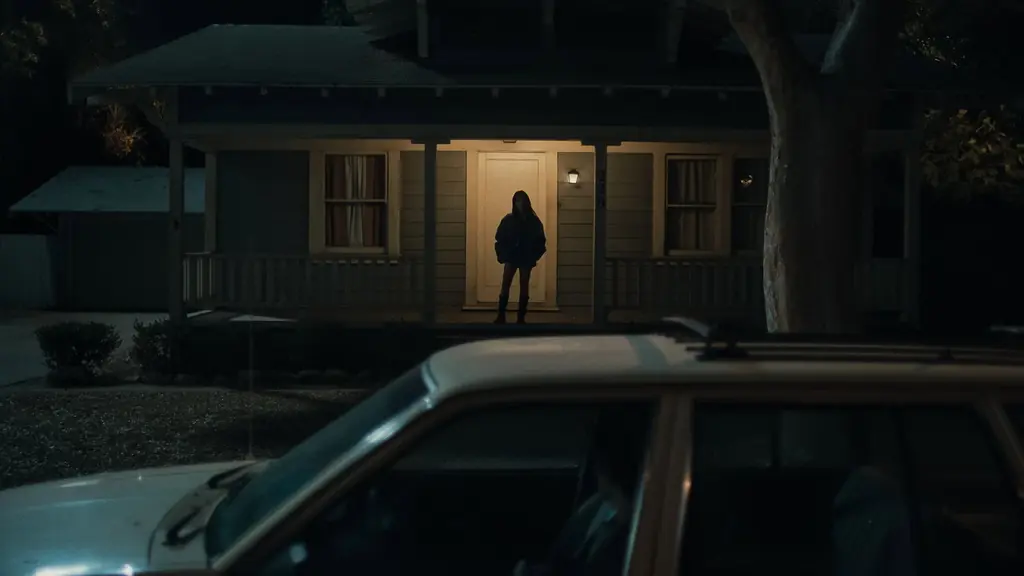
The casting in Obsession is undeniably a highlight, particularly the performance by Inde Navarrette. She embodies a natural, girl-next-door charm that quickly morphs into something deeply disturbing. Her character's transformation is chillingly portrayed, from simply standing and watching him sleep to staring with a long, uncut smile that screams "cut!" to the audience. The film masterfully uses visual techniques to convey this shift; her silhouetted form suggests he's dealing with a shadow of the person he desired, and rewound footage makes her movements appear unnaturally disjointed. This isn't just a standard demon possession flick; it's a mechanically fresh take, illustrating how a wish can warp a person into an avatar for an entirely new set of wills.
Cameos, Nostalgia & Narrative Stakes
While many possession films follow a predictable formula, Obsession injects a unique catalyst: a wish for love. This premise offers a deeper philosophical bone to chew on. The film posits that if you could magically make someone love you, you'd fundamentally change their nature, effectively "killing" the person you initially liked. You're left with a nightmare of your own making. This thought-provoking concept elevates the film beyond typical horror tropes. However, the narrative isn't without its minor stumbles. There's a point where the protagonist's inaction makes you want to yell, "Dude, just call 911!" and a subplot involving her mind and consciousness feels underdeveloped, not quite reaching its full potential. A fleeting, almost absurd moment involving a cat and a childproof pill bottle also raises a brief, head-scratching question, though it's quickly overshadowed by the escalating terror.
Tone, Direction & Creative Freedom
Curry Barker's direction skillfully crafts a modern horror narrative. The film understands that contemporary fears aren't just about things that go bump in the night, but the anxieties of the dating pool and the terrifying consequences of getting exactly what you wish for. It uses a fantastical, mystical mechanic to propel the plot, yet grounds the horror in something deeply relatable and real. This isn't just a story about magic; it's a dating horror catastrophe that leaves a lasting, unsettling impression, making audiences question the true cost of their desires.
The Final Verdict
Obsession delivers a genuinely horrifying and thought-provoking experience, proving that the most terrifying monsters often lurk in the shadows of our own desires. It's a fresh, unsettling take on modern anxieties, making it a film well worth watching for anyone seeking a unique and chilling cinematic journey.
What Worked
- Unique and philosophical take on the horror genre.
- Unsettling and memorable performance by Inde Navarrette.
- Effective use of visual techniques to create unease.
- Relevant modern horror themes exploring dating anxieties.
- Strong, thought-provoking premise about the nature of love and desire.
What Didn't Work
- A minor plot point regarding consciousness feels underdeveloped.
- Some character decisions lead to "call 911" moments that strain credulity.
- A brief, unexplained logical inconsistency with a cat and a pill bottle.