
Introduction
The anticipation for Barbie was palpable, a cultural phenomenon before its release. From the moment the first vibrant images of Barbie Land emerged, audiences were ready for a unique cinematic experience. This isn't just a movie; it's a cultural touchstone, a film that boldly embraces its core identity as a "smash the patriarchy" feminist statement. To review Barbie without acknowledging this central theme would be akin to discussing Oppenheimer and ignoring the atomic bomb—it's woven into the very bone marrow of the film.
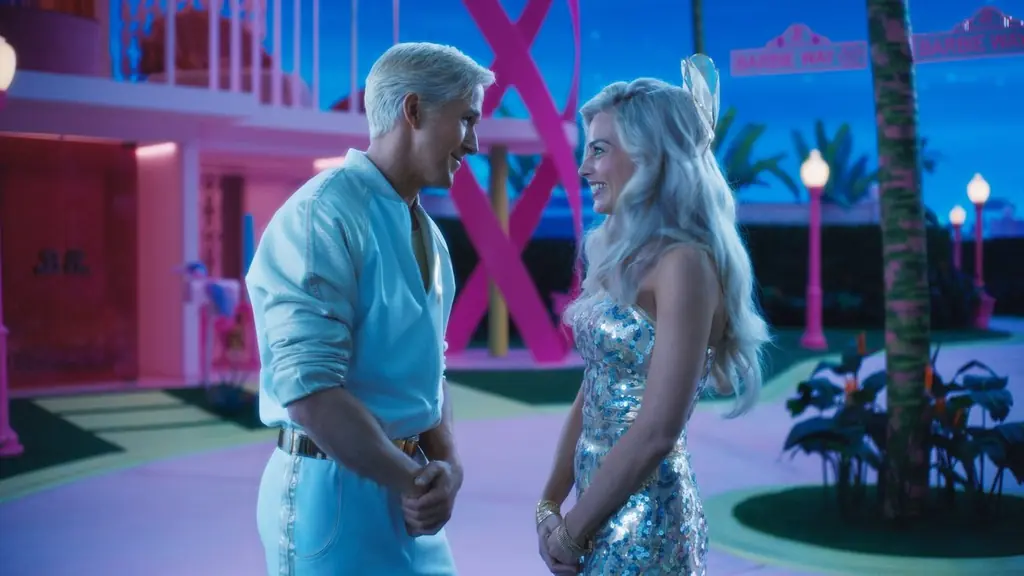
From the opening frames, the film immerses viewers in a visually compelling, almost surreal Barbie world brought to life. It playfully leans into the classic tropes and clichés of the iconic doll, creating an initial experience that feels like a fun, albeit jarring, acid trip. The first half-hour is particularly strong, drawing you into its whimsical, plastic fantastic reality.
The Lead Dynamic & The Action
While the world-building is impressive, the heart of Barbie truly beats through its lead performances. Margot Robbie embodies Barbie with an effortless grace and charm, a casting choice that felt destined from the moment it was announced. She perfectly captures the essence of the live-action doll, navigating her character's existential journey with nuance.
However, it's Ryan Gosling as Ken who emerges as the undeniable standout. His portrayal is a masterclass in comedic timing, showcasing a side of the actor that many will be thrilled to see. Whether he's "just Ken" or evolving into "douche Ken," Gosling makes every moment work, delivering the film's biggest laughs. His performance alone is a significant highlight, often carrying the comedic weight of the entire picture.

Cameos, Nostalgia & Narrative Stakes
As Barbie transitions from its initial charm, the narrative begins to feel increasingly crowded. The film attempts to juggle too many elements and characters, leading to a sense of narrative overload. While the concept of dealing with dolls might suggest a multitude of characters, many feel more like props than fully realized individuals, making it difficult to invest in their arcs.
A prime example of this overcrowding is the subplot involving Will Ferrell and his corporate suits. What could have been a single, effective boardroom scene stretches into a recurring presence that feels tacked on and unnecessary. These characters often disappear from memory, only to reappear, prompting a "oh, right, them" reaction. Their inclusion feels like a studio mandate, perhaps from reshoots or pickups, rather than an organic part of the story, ultimately detracting from the film's focus.
There's also a mother-daughter dynamic that eventually finds its footing, but the journey to get there is described as a "grind." The daughter's consistently broody and angry demeanor for much of the film makes connecting with her arc a challenge, adding to the sense of an overstuffed plot.
Tone, Direction & Creative Freedom
Greta Gerwig's direction and the film's art direction are undeniably talented, particularly in crafting the distinct aesthetics of Barbie Land and the real world. Barbie Land feels appropriately surreal and cartoonish, while the real world grounds the narrative in a more familiar reality. This contrast works well initially.
However, the tonal consistency falters when the corporate characters, particularly Will Ferrell's crew, cross into the real world. Their cartoonish pursuit of Barbie feels out of place, not in a cleverly meta way, but in a manner that creates an uneven tone. It blurs the lines between the established surrealism of Barbie Land and the grounded reality, making certain sequences feel jarring and less cohesive than intended.
The Final Verdict
Barbie is a film with undeniable strengths, particularly its visual flair and Ryan Gosling's magnetic performance. It's fun at times, and its central message about patriarchy and womanhood is clearly hammered home. However, the film ultimately feels "meh" due to its ambition sometimes outweighing its execution. The narrative becomes too crowded, with too many characters vying for attention, and certain subplots, like the corporate chase, feel tonally inconsistent and detract from the overall experience. While it has moments of brilliance and sharp wit, the journey to its impactful conclusion can be a bit of a grind, leaving audiences with a mixed but memorable impression.
What Worked
- Visually stunning and imaginative Barbie Land
- Ryan Gosling delivers a standout, hilarious performance as Ken
- Talented direction and art direction create a unique aesthetic
- Boldly tackles significant feminist and societal themes
- Margot Robbie perfectly embodies the iconic Barbie character
What Didn't Work
- Narrative feels overcrowded with too many characters and subplots
- Will Ferrell's corporate storyline feels unnecessary and tonally uneven
- Pacing issues, particularly a "grindy" middle section
- Some characters feel underdeveloped, serving more as props
- Tonal inconsistencies when cartoonish elements enter the "real world"



