
A Divisive Animated Adaptation
DC's animated features often spark debate among fans, and Batman: The Killing Joke is no exception. This 2016 adaptation of Alan Moore's acclaimed graphic novel arrived with significant anticipation, largely fueled by the return of iconic voice actors Kevin Conroy as Batman and Mark Hamill as the Joker. The promise of seeing this dark, pivotal story brought to animated life, especially with such beloved talent, set expectations sky-high. However, the final product proved to be a deeply compromised experience, leaving many viewers, including this critic, with a sense of profound disappointment.
The Lead Dynamic & The Action
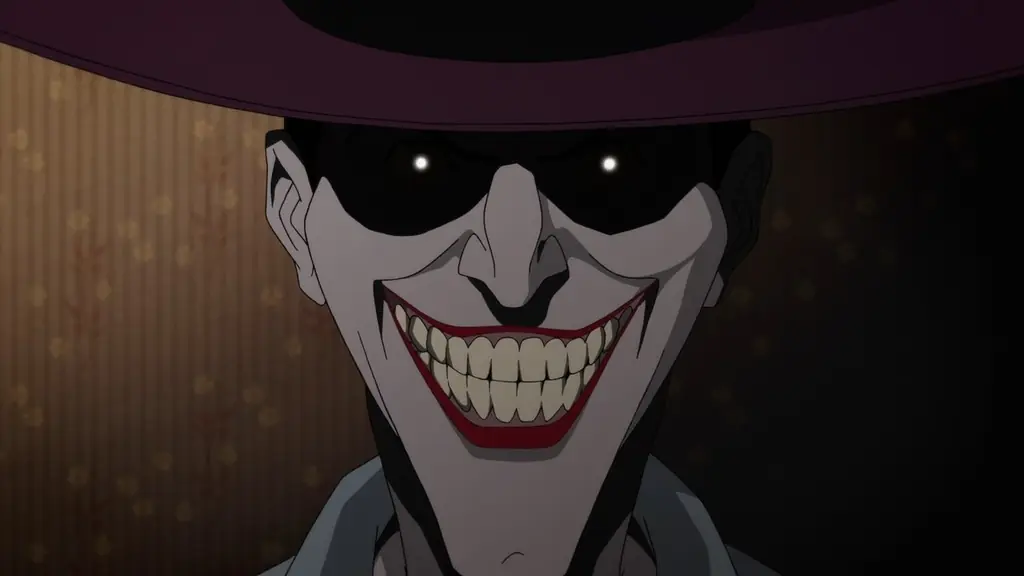
The true strength of Batman: The Killing Joke lies in its faithful rendition of the graphic novel's core narrative. Mark Hamill's return as the Joker is nothing short of a triumph. Hearing him deliver Alan Moore's chilling dialogue is a "sweet" experience, perfectly capturing the character's dark, brooding, and utterly deranged essence. The film doesn't shy away from the disturbing imagery and psychological torment central to the source material, presenting visuals and dialogue directly pulled from the graphic novel. This commitment to accuracy in the main storyline is commendable, showcasing the Joker's singular goal: to prove that "one bad day" can drive any normal person to madness. The interplay between Kevin Conroy's stoic Batman and Mark Hamill's maniacal Joker remains as compelling as ever, a cornerstone of DC animation.

Cameos, Nostalgia & Narrative Stakes
Where the film falters, and quite dramatically, is in its baffling decision to prepend a lengthy, entirely "useless" 30-minute prologue. This segment, focusing on Batgirl and a mobster subplot, feels like a "filler episode of Batman: The Animated Series" rather than an integral part of "The Killing Joke." It's a narrative detour that serves no purpose in setting up the main event, failing to connect with the Joker's story in any meaningful way. The inclusion of a controversial sex scene between Batman and Batgirl further alienated many, feeling forced and out of place. This prologue was clearly an attempt to pad the runtime for a theatrical release, compromising the integrity of the original story. Viewers are strongly advised to skip the first 29 minutes and jump straight into the actual "Killing Joke" narrative, which begins around the 30-minute mark. Without this unnecessary preamble, the film would have been a much tighter and more impactful 45-minute experience.
Adding to the film's missteps is its R-rating. While the graphic novel is undeniably mature, the animated adaptation's R-rating feels more like a marketing ploy for "edginess" than a reflection of genuinely adult content. Beyond the brief, cut-away sex scene and some disturbing themes, the film lacks the explicit language or gore typically associated with an R-rating, leading to the impression that it's a "PG-13 movie that was rated R because it's cool to be rated R." This decision, much like the prologue, feels like a compromise made for external reasons rather than artistic necessity.
Tone, Direction & Creative Freedom
Sam Liu's direction largely adheres to the graphic novel's tone, capturing its bleak and unsettling atmosphere. However, some animation choices, particularly Batman's cowl, which appears "wonky" and "like devil horns," detract from the visual consistency. The film's ending, while accurate to the graphic novel's ambiguous conclusion where Batman and Joker share a laugh, is given an interesting twist. The animated version subtly plays into a popular fan theory, hinting that Batman might actually kill the Joker, a departure from Alan Moore's original intent that many viewers, including this critic, find more satisfying than the idea of Batman simply laughing with his tormentor. This subtle reinterpretation offers a more heartbreaking and impactful resolution to the Joker's "one bad day" philosophy.
The Final Verdict
Batman: The Killing Joke is a frustratingly uneven experience. The core adaptation of Alan Moore's seminal work, bolstered by the phenomenal voice performances of Kevin Conroy and Mark Hamill, is genuinely compelling and disturbing. However, the decision to include a lengthy, irrelevant prologue and a seemingly gratuitous R-rating severely undermines its impact. While the central 45 minutes are "pretty sweet" and a faithful, albeit visually imperfect, rendition of a classic, the overall package is a "huge disappointment." It's a film best enjoyed by skipping the initial setup and diving directly into the madness, perhaps with a drink in hand to soften the blow of its structural flaws.
What Worked
- [[person:2|Mark Hamill]]'s iconic performance as the Joker is a highlight.
- Faithful adaptation of the graphic novel's core story and dialogue.
- Disturbing imagery and psychological themes are well-preserved.
- Subtle, ambiguous ending offers a compelling alternative interpretation.
- [[person:34947|Kevin Conroy]]'s return as Batman is consistently strong.
What Didn't Work
- The first 30 minutes are "useless" filler and compromise the film.
- The R-rating feels gratuitous and not justified by content.
- Some animation choices, like Batman's cowl, appear "wonky."
- The Batgirl subplot and sex scene feel forced and irrelevant.



